



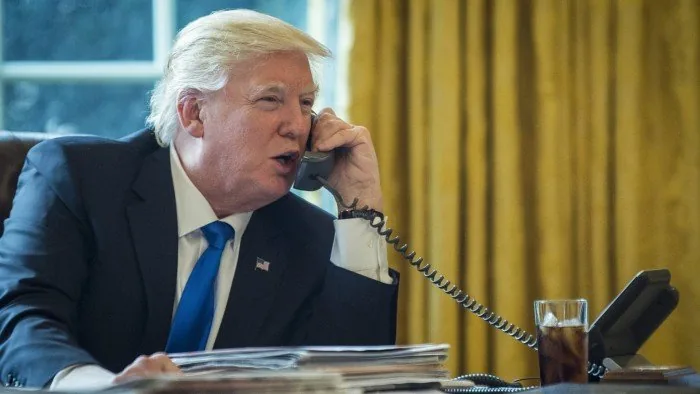
As we head into March 2026, the diplomatic calendar is heating up. For an administration built on the “Art of the Deal,” the question isn’t if the President will be on the phone, but who will be on the other end. Direct leader-to-leader communication has always been a hallmark of this presidency, and the coming weeks look to be no exception.
Read more Bitcoin Up or Down on March 30?
Recent Developments and Context
In the last 14 days, two major themes have dominated the diplomatic landscape. First, the ongoing tension regarding global trade tariffs has reached a boiling point. The administration has consistently signaled that any resolution to trade imbalances must come from the top. Second, the push for a negotiated settlement in Eastern Europe has intensified, requiring constant coordination with both NATO leadership and the primary stakeholders in the conflict.
Here is the thing: while many names are on the list, the logic of personal diplomacy points toward one specific individual as the most likely interlocutor for March.
The Primary Candidate: Xi Jinping
Xi Jinping stands out as the most probable person to have a direct interaction with Donald Trump this month. Why? Because the administration views the U.S.-China relationship as a personal negotiation between two leaders rather than a bureaucratic process. Recent reports indicate that “Phase 2” trade discussions and concerns over the fentanyl supply chain are reaching a stage where only a leader-level “blessing” can move the needle.
Trump has frequently touted his personal rapport with Xi, even during periods of high tension. Given the current focus on economic protectionism and the need for market stability, a call to Beijing is the most direct way for the President to demonstrate he is taking charge of the American economy. Look closer at the rhetoric coming out of the White House—there is a clear preference for bypassing traditional diplomatic channels in favor of a direct line to the Chinese President.
Read more Bitcoin price on March 30?
The Competition: Rutte and Zelenskyy
Mark Rutte, the NATO Secretary General, is a strong second. He has already proven his ability to navigate the President’s demands for increased defense spending, having met with him recently to align on European security. However, interactions with Rutte are often viewed as “workhorse” meetings—necessary, but sometimes delegated to the Secretary of State or Defense unless a major summit is imminent.
Volodymyr Zelenskyy remains a constant factor, but the frequency of their talks is highly dependent on the specific “peace plan” milestones. While a call is possible, it often requires a specific breakthrough or a shift in the front lines to trigger a direct presidential interaction, making it slightly less certain than the ongoing, high-stakes trade dialogue with China.
What to Watch For
What changes the picture? Keep an eye on three specific triggers:
- Official announcements regarding new tariff schedules, which usually precede or follow a high-level call.
- Sudden shifts in NATO’s public stance on defense spending targets.
- Readouts from the State Department regarding “preparatory” talks with Beijing.
Current public sentiment heavily favors a conversation with Xi Jinping, with expectations sitting near 90%. This reflects a broad consensus that trade remains the administration’s top priority. Meanwhile, interest in European leaders like Mark Rutte remains steady but significantly lower, hovering around the 24% mark, suggesting that while these talks are expected, they lack the “event” status of a U.S.-China dialogue.
Read more Which countries will conduct military action against Iran by April 30?
Sources :