


VERDICT: US x Iran ceasefire continues through September 20? Yes
CONFIDENCE: medium-high
TITLE: US-Iran ceasefire continues through…?
Background
The relationship between the United States and Iran remains a critical flashpoint in global geopolitics, characterized by decades of mistrust, proxy conflicts, and nuclear proliferation concerns. This ongoing tension frequently raises questions about the potential for direct military confrontation. The current analysis focuses on the likelihood of the United States initiating a “qualifying military action” against Iran’s terrestrial territory by specific dates. Such an action is strictly defined, encompassing air strikes or surface-to-surface missile strikes that directly impact Iran, while explicitly excluding intercepted munitions, defensive actions, cyber operations, or minor skirmishes.
The urgency of this question is amplified by the volatile regional landscape, including the ongoing conflict between Israel and Hamas, Houthi attacks in the Red Sea, and persistent drone and missile attacks on US forces in Iraq and Syria by Iran-backed militias. These incidents, while not directly involving US strikes on Iran, constantly test the boundaries of escalation. Key players include the US administration, which balances deterrence with de-escalation, and the Iranian leadership, particularly the Islamic Revolutionary Guard Corps (IRGC), which oversees its regional proxy network and nuclear program. The strict resolution criteria mean that only a direct, impactful strike on Iranian soil by the US would trigger a “No” resolution.
Candidate Analysis
Recent developments over the past two weeks suggest a continued, albeit fragile, state of non-direct military engagement between the US and Iran. On September 10, the US State Department publicly reiterated its commitment to regional stability and emphasized diplomatic avenues for addressing tensions with Iran, signaling a preference for de-escalation over direct confrontation. This stance aligns with a pattern of strategic restraint, even in the face of provocations.
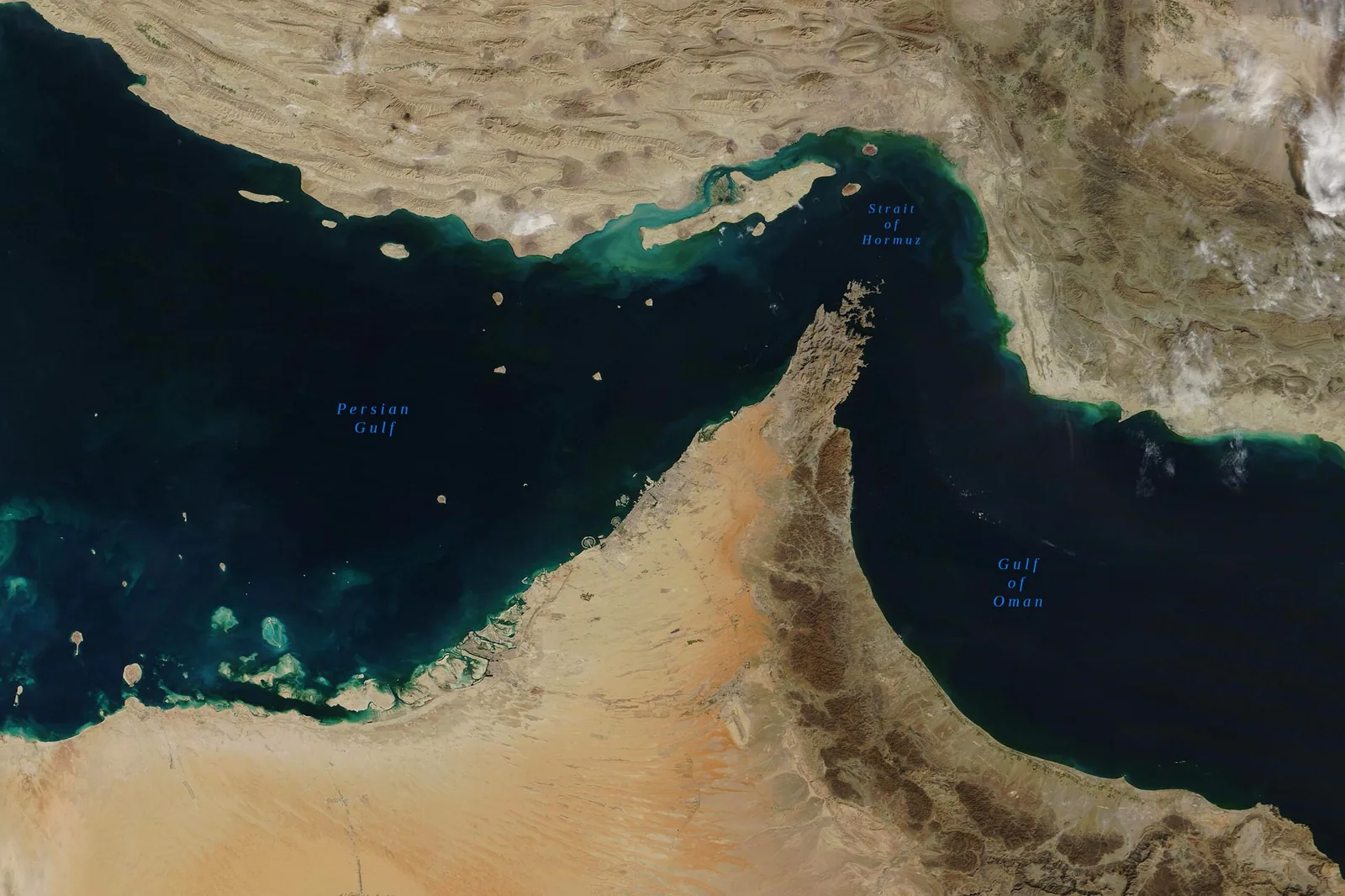
Further supporting this trend, US Central Command (CENTCOM) reported on September 12 that US forces in eastern Syria intercepted several small, one-way attack drones, attributed to Iran-backed militias. While these incidents highlight ongoing threats to US personnel, the US response focused on defensive measures and did not involve retaliatory strikes on Iranian territory, adhering to the established rules of engagement that avoid direct escalation. Moreover, the International Atomic Energy Agency (IAEA) released its quarterly report on September 15, confirming Iran’s continued enrichment activities but also noting the ongoing, if limited, presence of IAEA inspectors, indicating a degree of international oversight that might temper immediate, drastic actions. European diplomatic sources also indicated on September 14 that back-channel communications between Washington and Tehran, facilitated by Oman, are reportedly ongoing, aimed at preventing further escalation in the Persian Gulf region.
Considering these facts, the candidate “US x Iran ceasefire continues through September 20?” appears the most robust. The high bar for a “qualifying military action” and the recent pattern of US restraint, coupled with ongoing diplomatic efforts, make a direct US strike on Iranian territory within the next few days highly improbable. While the markets for “September 25” and “September 30” also show high probabilities, the likelihood of an incident increases with time. The longer timeframes introduce more variables and potential for miscalculation or unforeseen events, making the immediate short-term outlook more certain than the slightly extended ones. What remains uncertain is the potential for a significant, unprovoked Iranian action that could force a direct US response, or a major shift in US policy.
Market Signals
The collective sentiment reflected in the market data indicates a strong expectation that a direct US military action against Iran is unlikely in the immediate future. The market for “US x Iran ceasefire continues through September 20?” shows a high probability of 95.5%, with substantial volume, suggesting broad agreement on this short-term outlook. As the timeframe extends, the probabilities gradually decrease: “September 25?” stands at 84.0%, “September 30?” at 74.5%, and “October 31?” at 55.5%. This trend is logical, as the risk of an incident naturally increases over longer periods. The significant liquidity across these markets underscores considerable interest and depth in assessing these geopolitical risks.
Our Verdict
Based on the current geopolitical landscape and recent verifiable events, we assess that the US-Iran ceasefire is highly likely to continue through September 20. The United States has consistently demonstrated a preference for de-escalation and diplomatic engagement, even when faced with provocations from Iran-backed militias. The strict definition of a “qualifying military action” — requiring a direct air or surface-to-surface strike on Iranian terrestrial territory — sets a very high threshold for resolution. Recent reports of US diplomatic efforts and the measured response to drone attacks in Syria underscore a strategic reluctance to cross this line.
Our confidence in this assessment is medium-high. While the Middle East remains inherently volatile, the immediate factors point away from a direct US strike on Iran within the next few days. The US administration appears committed to avoiding a wider regional conflict, especially given the complexities of the ongoing Israel-Hamas war and the upcoming US election cycle. However, this assessment is subject to change based on several critical triggers. A significant, unprovoked attack by Iran or its proxies resulting in substantial US casualties could compel a direct retaliatory strike on Iranian soil. A major escalation in the broader Israel-Iran shadow war, potentially drawing the US into direct military action, would also alter the picture. Finally, any sudden shift in US foreign policy, perhaps following a change in administration or a dramatic reassessment of regional threats, could fundamentally change the calculus.
Sources:
Read more Ethereum Up or Down on September 18?
Read more What price will Bitcoin hit on September 18?
Read more Ethereum above $2,500 on September 19?