


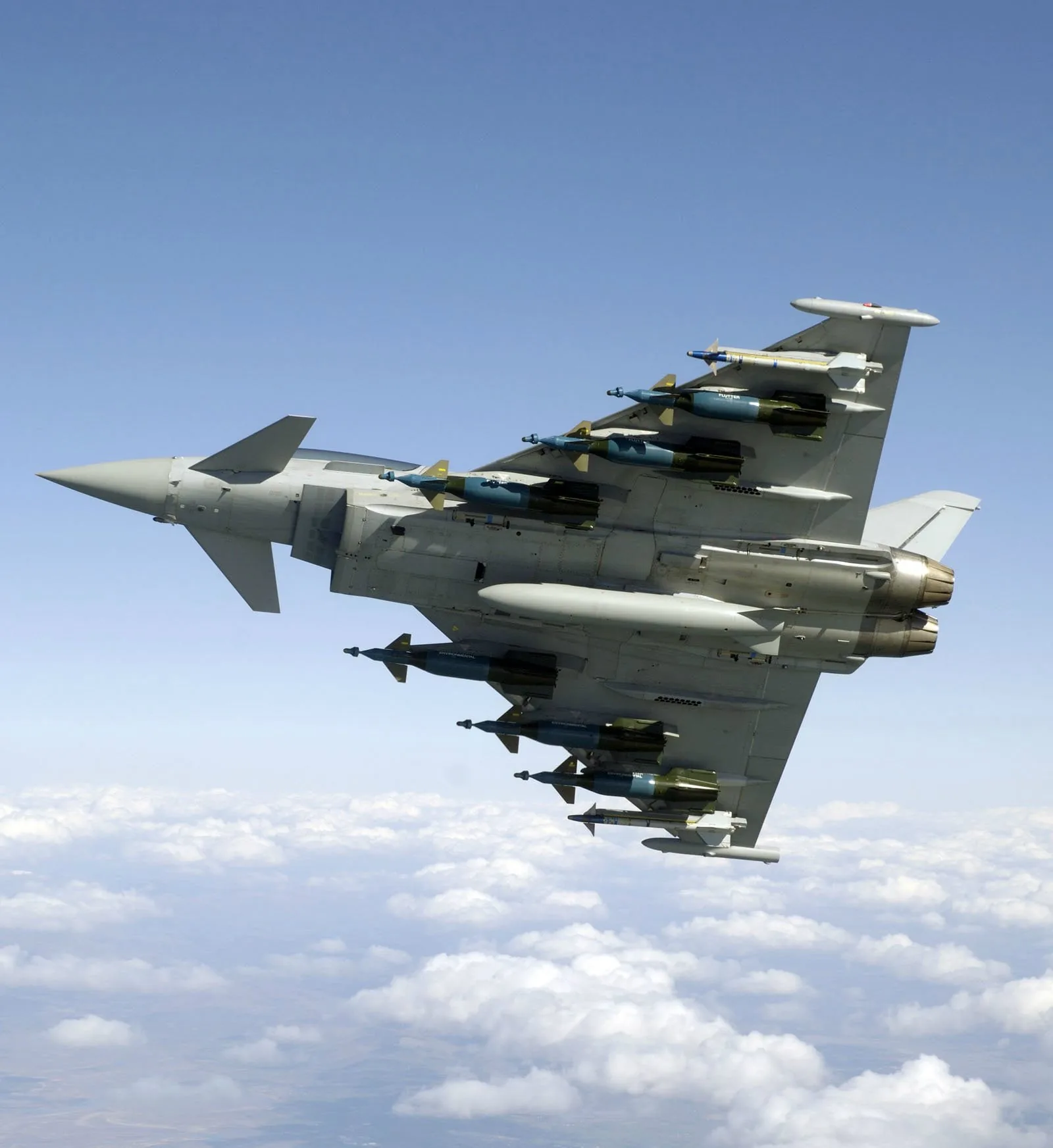
The geopolitical landscape surrounding Iran has entered a period of extreme volatility following the sudden death of President Ebrahim Raisi in a helicopter crash on May 19, 2024. This internal power vacuum comes at a time when regional tensions are already at a decadal high, raising the stakes for any potential military miscalculation. While the window for action extends through April 2026, the immediate focus is on whether regional rivals or Western powers will capitalize on this instability or react to a perceived “nuclear breakout” during the transition.
Recent Developments and Fact-Check
- Leadership Transition: Following the death of President Raisi and Foreign Minister Hossein Amir-Abdollahian, Iran has scheduled snap elections for June 28, 2024. This period of interim governance is being closely watched for any shifts in IRGC influence or proxy coordination. Details on the transition can be found via BBC News.
- Nuclear Enrichment Levels: The International Atomic Energy Agency (IAEA) continues to report that Iran is enriching uranium to 60% purity, near weapons-grade. Director General Rafael Grossi recently visited Tehran to push for better monitoring, but significant breakthroughs remain elusive. The latest status is documented by the IAEA.
- Direct Kinetic Precedent: In April 2024, the long-standing “shadow war” between Israel and Iran broke into the open with a direct exchange of missiles and drones. This established a new precedent where strikes on sovereign territory are no longer off the table, as reported by Reuters.
The Primary Contender: Saudi Arabia
Saudi Arabia stands out as the most significant regional actor to watch. While the 2023 Beijing-brokered normalization deal between Riyadh and Tehran cooled public rhetoric, the underlying security dilemma remains unresolved. Here is the thing: Saudi Arabia’s primary concern is a nuclear-armed Iran. If the current Iranian leadership transition leads to a “dash for the bomb” to secure the regime’s future, Riyadh may feel compelled to act, potentially with Western backing or via its own growing missile capabilities.
The logic for a Saudi strike rests on the “red line” of nuclear weaponization. Unlike European nations, Saudi Arabia views an Iranian nuclear capability as an existential threat to its Vision 2030 economic goals. If diplomacy fails and the U.S. remains hesitant to engage directly, the Kingdom might see a preemptive strike on Iranian infrastructure as a necessary, albeit risky, last resort.
Comparing the Competitors
The United Arab Emirates (UAE) and Bahrain are often mentioned in the same breath as Saudi Arabia, but their strategic calculus differs. The UAE has spent years pivoting toward a “zero problems” foreign policy, prioritizing trade and logistics. A direct strike on Iran would invite immediate retaliation against Dubai or Abu Dhabi, potentially devastating their economies. Bahrain, while historically aligned with Saudi security interests, lacks the independent military reach to initiate such a strike without being part of a much larger coalition. For these nations, the cost of direct kinetic action currently outweighs the benefits of continued containment.
Read more 2026 Seoul Mayoral Election Winner
Triggers to Watch
What changes the picture? Look for these specific signals over the coming months:
- IAEA “Weaponization” Findings: Any formal report suggesting Iran has moved from enrichment to actual warhead design would likely trigger immediate military consultations in Riyadh and Tel Aviv.
- Proxy Escalation: If Houthi or Hezbollah attacks result in mass casualties on Saudi or Western soil, the response may bypass the proxies and target the “head of the snake” in Tehran.
- Election Outcomes: The rhetoric of the candidates in Iran’s upcoming June election will signal whether the regime intends to double down on confrontation or seek a new diplomatic opening.
Current Analytical Sentiment
Current data suggests a notable divergence in expectations. Saudi Arabia is viewed with a 31% probability of conducting a strike, followed by the UAE at 21.5%. In contrast, European powers like France (5.7%) and the UK (3.05%) are seen as highly unlikely to engage in direct strikes, reflecting their preference for sanctions and multilateral diplomacy over kinetic intervention.
Read more Ethereum above ___ on March 30?
Sources :