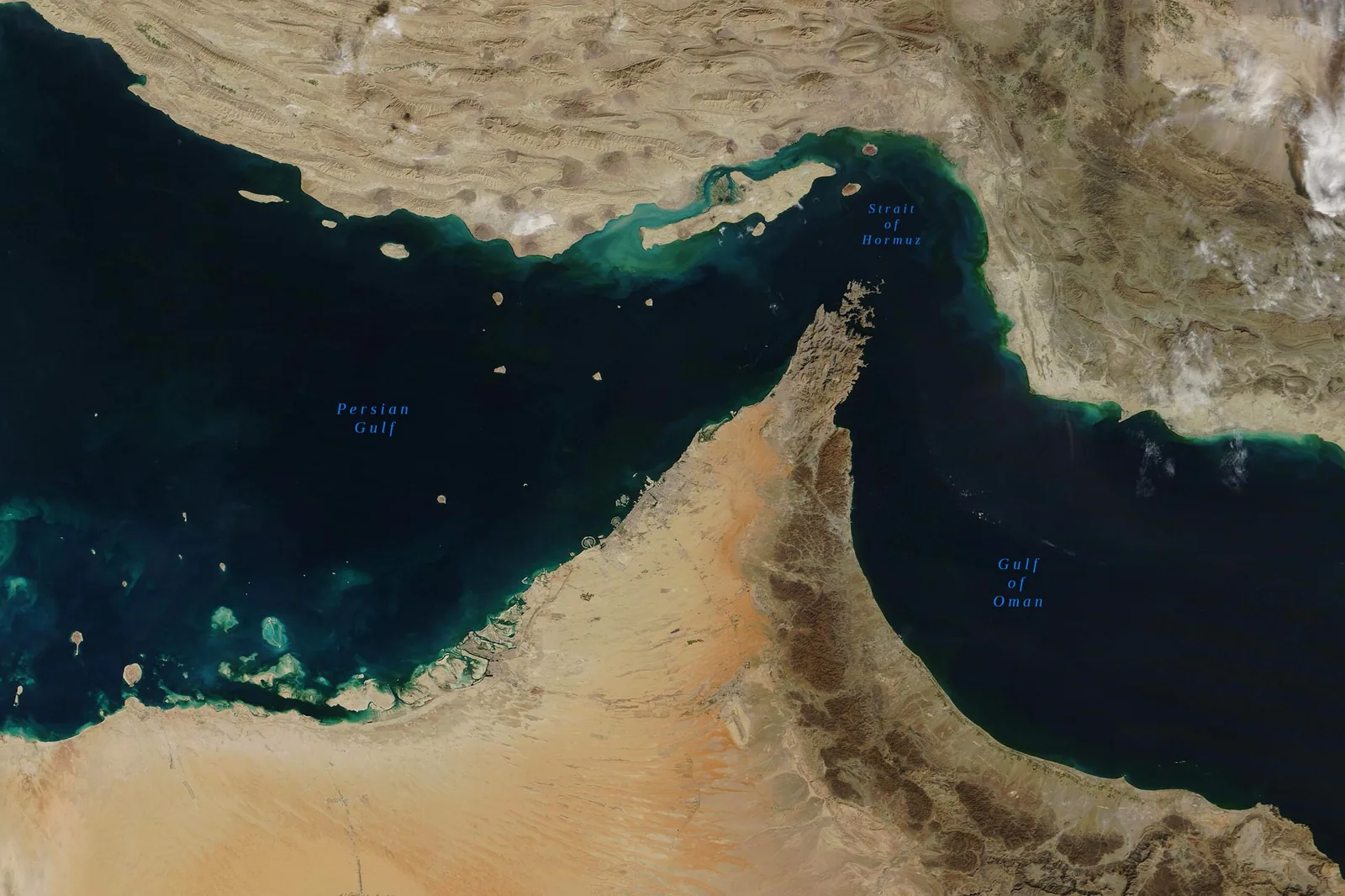





The Kharg Island oil terminal is the jugular vein of Iran’s economy, handling roughly 90% of the country’s crude exports. In the current climate of escalating direct confrontations between Israel and Iran, this facility has moved from a “red line” to a primary target in strategic discussions. The question isn’t just about military capability—Israel certainly has it—but about the geopolitical timing and the tolerance of the international community for a massive energy shock.
Read more Ethereum above ___ on April 7?
Recent Developments and Strategic Context
Over the last two weeks, several factors have intensified the focus on Iran’s energy infrastructure:
- Israeli Military Posture: Israeli leadership has repeatedly signaled that future responses to Iranian aggression will be “distinct and powerful.” Following direct missile exchanges, the Israeli Defense Forces (IDF) have reportedly finalized target lists that include sensitive economic sites, with Kharg Island at the top due to its concentrated infrastructure.
- Iranian Defensive Measures: Satellite imagery and regional reports indicate that Iran has significantly bolstered its air defense systems around the Persian Gulf. This includes the deployment of additional S-300 batteries and domestic missile defense systems specifically to protect the Kharg terminal, signaling that Tehran views a strike as an imminent possibility.
- Diplomatic Friction: While the U.S. administration has historically urged restraint to prevent a global oil price spike, the shift toward “maximum pressure” and the increasing frequency of direct state-on-state attacks have weakened these diplomatic guardrails.
The Case for the April 30 Window
When looking at the timeline, the window ending April 30 appears the most plausible for a potential kinetic event. Here’s the thing: military operations of this scale rarely happen in a vacuum. They require a specific “trigger” event—such as a proxy attack or a direct missile launch from Iran—followed by a period of tactical preparation. By extending the timeframe to late April, there is more room for the current cycle of escalation to reach a breaking point. A strike by mid-April requires an almost immediate catalyst, whereas the end-of-month window accounts for the “action-reaction” delay typical in Middle Eastern conflicts.
Why Earlier Deadlines Face Higher Hurdles
The April 15 timeframe is a tighter squeeze. For a strike to occur within the next two weeks, Israel would likely need to bypass current diplomatic negotiations and ignore specific requests for de-escalation from regional partners like the UAE and Saudi Arabia, who fear the environmental and economic fallout of a hit on Kharg. The later date provides the necessary buffer for diplomatic efforts to fail, which historically precedes major kinetic shifts.
Read more Bitcoin price on April 7?
What to Watch For
The situation remains fluid, but three specific triggers will signal a shift toward a “Yes” outcome:
1. Any direct Iranian naval maneuvers that threaten the Strait of Hormuz.
2. Official statements from the Israeli Security Cabinet authorizing “economic-targeted” retaliation.
3. A sudden withdrawal of international tankers from the northern Persian Gulf, which would indicate intelligence of an impending strike.
Current data shows a significant lean toward the end-of-April window, with the April 30 timeframe carrying a 47.5% probability and a volume of over 141,000. In contrast, the April 15 window sits lower at 32.5% with a volume of 235,000, reflecting a consensus that while the threat is real, the escalation may take longer to materialize.
Read more Bitcoin above ___ on April 8?
Sources :