



VERDICT: No
CONFIDENCE: Medium
TITLE: Will Iran target Jordan by September 30, 2026?
Background
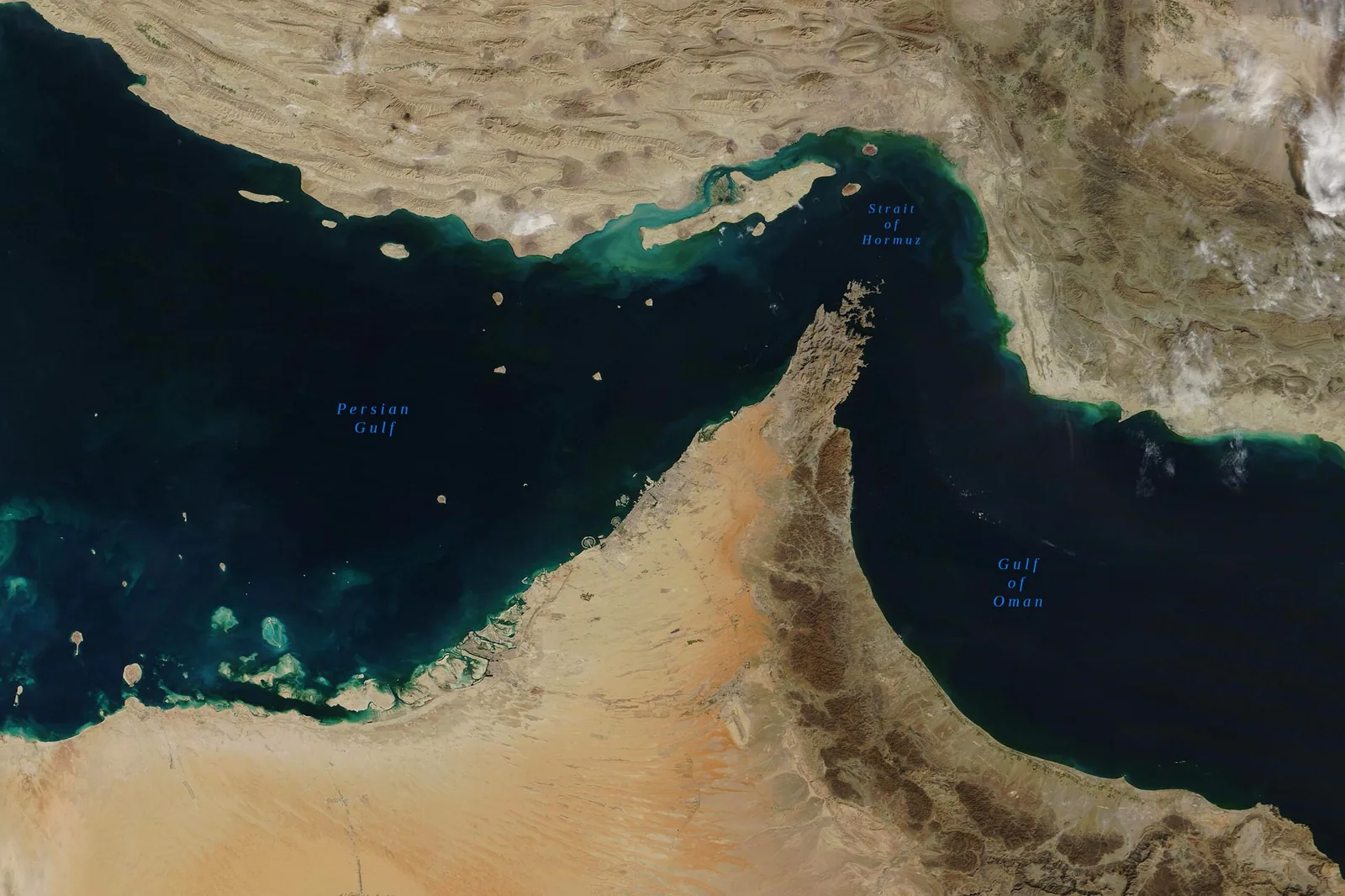
The question of whether Iran will directly target Jordan with military action by September 30, 2026, reflects the persistent and escalating geopolitical tensions across the Middle East. Jordan, a critical regional player, finds itself at the crossroads of various conflicts, maintaining a delicate balance between its alliances with Western powers, its peace treaty with Israel, and its role in the broader Arab and Islamic world. The resolution criteria for this assessment are highly specific: a “Yes” outcome requires a direct air strike or surface-to-surface missile strike initiated by Iranian forces, explicitly claimed by Tehran or confirmed to originate from Iranian territory, targeting Jordanian terrestrial territory. Crucially, actions by proxy groups like Hezbollah or the Houthis, as well as minor strikes, ground incursions, or cyber operations, do not qualify.
Read more What price will Bitcoin hit on September 4?
This specificity sets a high bar for a “Yes” resolution. Iran’s strategic doctrine often relies on a network of proxy forces to project influence and engage in asymmetric warfare, thereby maintaining plausible deniability and avoiding direct state-on-state confrontations that could trigger a broader, more devastating conflict. A direct attack on Jordan would represent a significant departure from this established pattern, signaling a dramatic escalation in regional dynamics. Jordan’s stability is paramount for regional security, and any direct aggression against it would likely provoke a robust international response, particularly from its allies.
Candidate Analysis
Analyzing the likelihood of direct Iranian military action against Jordan by September 2026 requires a careful look at current geopolitical realities and historical precedents, rather than specific events from the immediate past, given the future-dated nature of the inquiry. The most compelling argument leans towards a “No” outcome. Iran has historically avoided direct, attributable military strikes against sovereign nations that are not perceived as direct adversaries or involved in direct conflict with Tehran. While Iran has launched direct missile and drone attacks against targets in Iraq, Syria, and Israel in specific retaliatory contexts, these actions were typically framed as responses to perceived threats or attacks on Iranian interests or territory. Jordan does not fit this profile as a direct adversary of Iran.
Jordan’s strategic alignment further complicates any potential Iranian calculus. The Hashemite Kingdom is a key security partner for the United States, hosting American military assets and participating in joint defense exercises. A direct Iranian strike on Jordanian territory would not only be an act of war against Jordan but could also be interpreted as an attack on US interests, potentially drawing a severe and direct response from Washington. This risk of a major escalation with a global superpower is a significant deterrent for Tehran, which generally seeks to avoid direct military confrontation with the United States. Furthermore, Jordan’s role in regional stability, including its efforts to de-escalate tensions and its humanitarian contributions, makes it an an unlikely target for unprovoked direct state-on-state aggression from Iran.
The “Yes” scenario, while not entirely dismissible, relies on a confluence of highly improbable events. It would necessitate a dramatic and unforeseen regional conflagration, a direct and severe provocation against Iran involving Jordan, or a profound miscalculation by Tehran that overrides its established strategic caution. Such a scenario would likely involve a complete breakdown of regional deterrence mechanisms and a willingness by Iran to accept potentially catastrophic consequences. While the Middle East remains volatile, the specific conditions for a direct, attributable Iranian strike on Jordan, as defined by the resolution, are not currently evident in the prevailing geopolitical landscape. The ongoing regional conflicts, such as the Israel-Hamas war and Red Sea tensions, have indeed heightened overall instability, but they have not, to date, translated into a direct Iranian threat against Jordan that meets the strict resolution criteria.
Read more Bitcoin price on September 4?
Market Signals
The current sentiment reflected in related assessments indicates a nuanced view. The probability for Iran targeting Jordan by September 30, 2026, stands at 51.5%, with a substantial volume of activity. A shorter-term assessment for September 15, 2026, shows a slightly lower probability of 46.5%. This suggests that participants perceive a non-negligible, perhaps even slightly elevated, risk of such an event occurring over the longer timeframe, possibly factoring in the general regional volatility and the potential for unforeseen escalations. However, it is important to note that these probabilities represent collective sentiment and do not inherently predict future events.
Our Verdict
Considering the stringent resolution criteria and the broader geopolitical context, our assessment leans towards a “No” outcome: Iran will not directly target Jordan with a qualifying military action by September 30, 2026. The primary argument supporting this conclusion is Iran’s established strategic preference for indirect engagement through proxies, coupled with the severe and immediate repercussions a direct attack on Jordan would entail. Such an action would not only be an unprecedented escalation against a non-belligerent state but would also risk drawing a direct military response from the United States and its allies, a scenario Tehran has consistently sought to avoid.
The current regional instability, while concerning, has not altered Iran’s fundamental strategic calculus regarding direct state-on-state conflict with nations like Jordan. Jordan’s role as a stable, US-allied nation with a vested interest in regional de-escalation makes it an unlikely target for the specific type of direct, attributable military action outlined in the resolution. While the Middle East is inherently unpredictable, the threshold for Iran to undertake such a high-risk, high-consequence action against Jordan remains exceptionally high.
Our confidence in this assessment is medium. While the arguments for “No” are strong, the region’s volatility means that unforeseen events can rapidly alter the landscape. Key triggers that could shift this assessment include: a significant and direct military confrontation between Iran and the United States or Israel that spills over into neighboring territories; a major internal destabilization within Jordan that Iran perceives as an opportunity or threat; or a direct, unprovoked attack on Iranian territory or high-value assets that Tehran attributes to Jordan or its allies operating from Jordanian soil, leading to a retaliatory strike. Absent such extreme catalysts, the strategic disincentives for Iran to directly target Jordan remain overwhelmingly strong.
Read more Bitcoin Up or Down on September 4?
Sources: