


The military situation along the Israel-Lebanon border has entered a complex transitional phase following the ceasefire agreement that took effect on November 27, 2024. While the immediate intensity of the conflict has subsided, the question of whether Israel’s actions constitute or will lead to a “major ground offensive” remains the central point of geopolitical analysis. The definition of such an offensive—involving more than 1,000 ground forces—is the critical benchmark here.
Read more Next President of Vietnam
Recent Developments and Fact-Check
Over the last 14 days, several key events have reshaped the landscape:
- Ceasefire Implementation: On November 27, 2024, a U.S.-and-French-brokered ceasefire between Israel and Hezbollah officially began. The agreement outlines a 60-day period during which the Israeli military (IDF) is expected to gradually withdraw its forces from southern Lebanon as the Lebanese Armed Forces (LAF) deploy to the region.
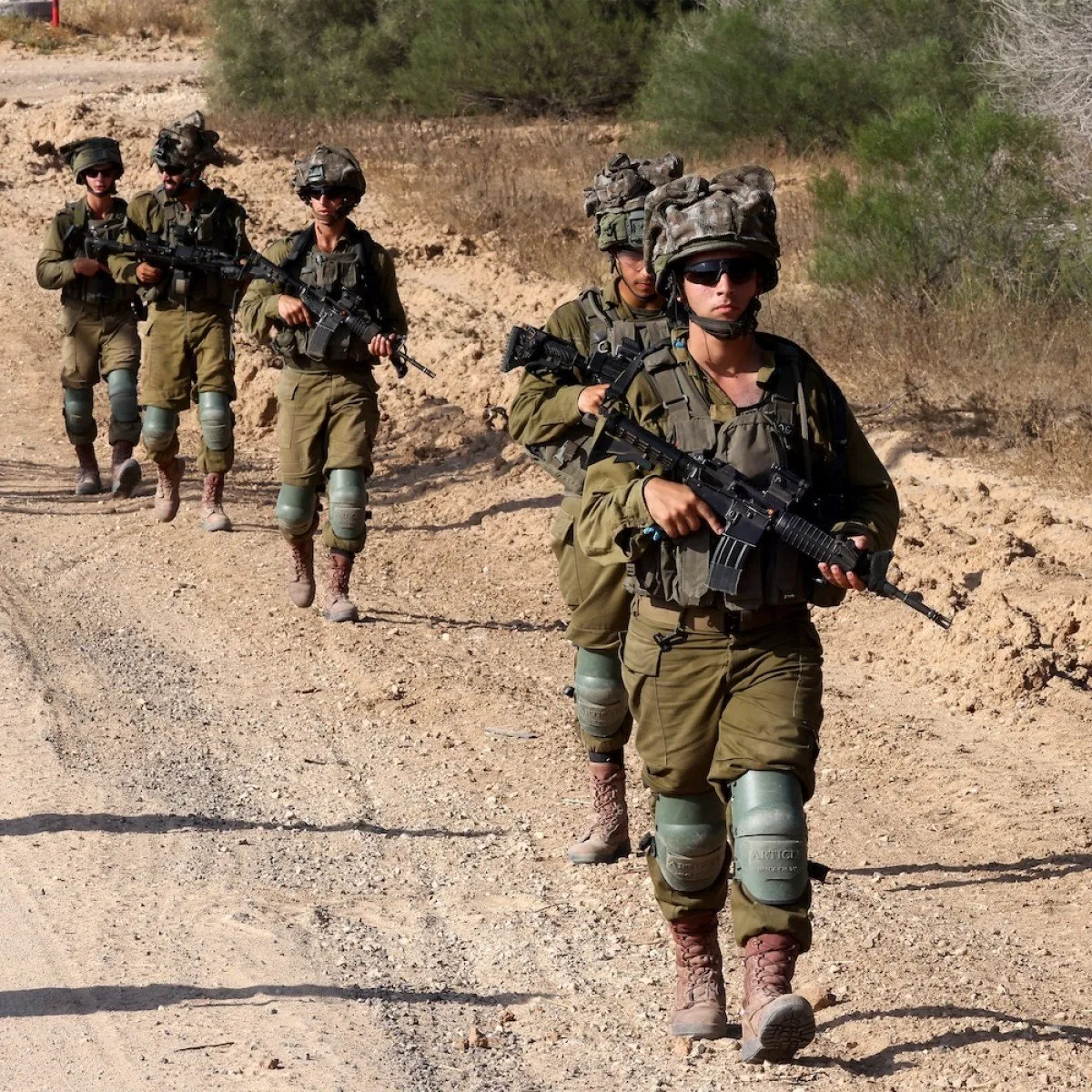
Reuters: Israel-Lebanon ceasefire comes into effect - Troop Presence and Scale: Prior to the ceasefire, the IDF had deployed five divisions (the 36th, 91st, 98th, 146th, and 210th) into southern Lebanon. A single IDF division typically consists of several thousand soldiers, meaning the total force involved in the “limited raids” significantly exceeded the 1,000-troop threshold mentioned in the resolution criteria.
Times of Israel: IDF expands ground operations - Enforcement Policy: Israeli Prime Minister Benjamin Netanyahu has explicitly stated that Israel retains “full military freedom of action” to strike if Hezbollah violates the terms of the deal, such as attempting to re-arm or move south of the Litani River.
BBC: Netanyahu says Israel will maintain freedom of action
Analysis of the Likely Outcome
Here’s the thing: the “Yes” outcome currently appears more substantiated, primarily because the military operations conducted in October and November 2024 likely already met the technical definition of a “major ground offensive.” With five divisions operating on Lebanese soil, the scale of the intervention far surpassed the 1,000-troop limit. Even though the IDF officially characterized these as “limited, localized, and targeted raids,” the sheer volume of personnel and the depth of the incursions into dozens of Lebanese villages suggest that a consensus of credible reporting will eventually categorize the event as a major offensive.
What changes the picture? The only path to a “No” resolution would be if the resolution sources strictly adhere to the IDF’s “limited raids” terminology, ignoring the actual troop count, or if the market specifically requires a *new* offensive to be launched after the current ceasefire period. However, given the 2026 deadline, the fragility of the truce is a major factor. If Hezbollah fails to retreat north of the Litani or if the Lebanese Army cannot secure the buffer zone, a return to large-scale maneuvers is highly probable.
Read more Which company will have the best AI model for coding on March 31?
Triggers to Watch
To gauge where this is heading, keep an eye on these specific signals:
- Resolution Source Consensus: Watch for year-end summaries or investigative reports from major outlets (AP, Reuters, New York Times) that provide final estimates on the peak number of Israeli troops on Lebanese soil during the 2024 campaign.
- Ceasefire Violations: Any significant exchange of fire that prompts the IDF to re-deploy divisions back into Lebanon would solidify the “Yes” case.
- Lebanese Army Deployment: If the LAF fails to reach its target of 5,000–10,000 troops in the south, the vacuum will likely be filled by a renewed Israeli ground presence.
Current sentiment reflects a high degree of confidence in the “Yes” outcome, with the probability holding steady at 87.0%. Despite a slight 1.5% dip in the last 24 hours following ceasefire stability, the substantial total volume of over $1.4 million and narrow spreads indicate that most participants view the 1,000-troop threshold as a hurdle that has already been cleared or will be cleared before the 2026 deadline.
Read more Ethereum above ___ on March 4?
Источники: