




VERDICT: No (by September 30, 2026)
CONFIDENCE: Medium
TITLE: Will Iran target Bahrain by…?
Background
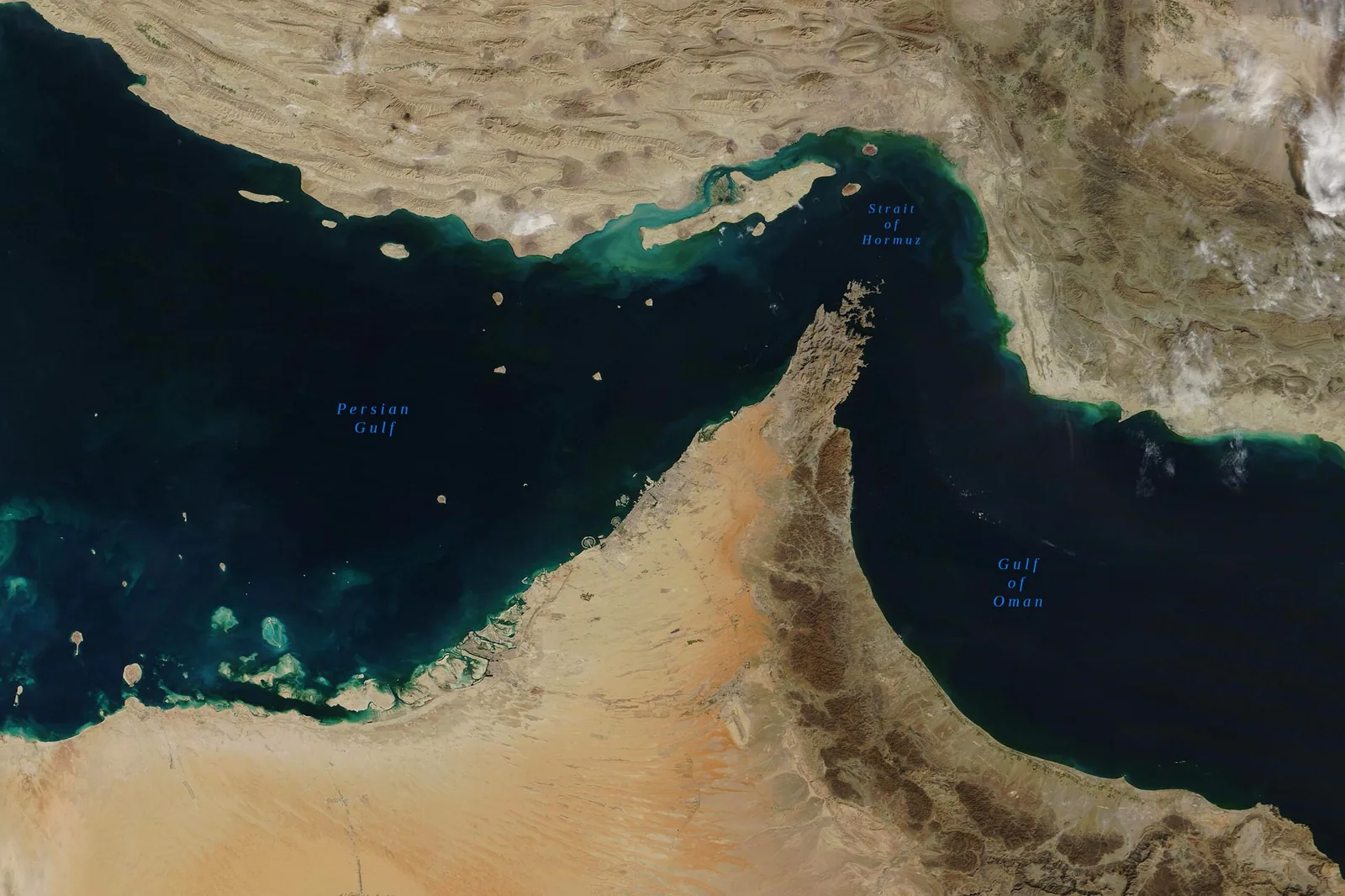
The question of whether Iran will directly target Bahrain with military action remains a persistent point of tension in the Persian Gulf. Bahrain, a small island nation, holds significant strategic importance due to its proximity to Saudi Arabia and its role as host to the U.S. Navy’s Fifth Fleet. Iran has historically viewed the presence of foreign military forces in the region with suspicion, often issuing strong rhetoric against what it perceives as external interference. This dynamic creates a volatile environment where any direct military engagement could have far-reaching consequences for regional stability and global energy markets.
Read more Bitcoin Up or Down on August 29?
The specific conditions for a “Yes” resolution are quite precise. A qualifying military action must be an air strike or a surface-to-surface missile strike, initiated by Iran and directed at Bahrain’s terrestrial territory. This includes various types of bombs, missiles, and drones. Crucially, actions by proxy forces, cyber operations, ground incursions, or minor short-range munitions do not count. Even if munitions are intercepted, the action still qualifies, provided it originates from Iran and is explicitly claimed by the Islamic Republic or confirmed to have originated from its territory. This strict definition narrows the scope considerably, focusing on overt, attributable state-level aggression.
The deadlines for this assessment span from late August to late September 2026, offering a series of windows to evaluate the likelihood of such an event. The analysis requires a close look at recent geopolitical developments, Iran’s strategic posture, and Bahrain’s defensive alliances, particularly with the United States. Understanding these factors is key to assessing the probability of a direct, attributable Iranian military strike against Bahrain within the specified timeframe.
Candidate Analysis
Examining the geopolitical landscape over the past 7-14 days, the prevailing evidence suggests that a direct, attributable Iranian military strike against Bahrain by September 30, 2026, remains unlikely. While regional tensions persist, there have been no overt actions or credible intelligence reports indicating an imminent shift towards direct military confrontation between Iran and Bahrain. For instance, a senior Iranian Revolutionary Guard Corps (IRGC) commander recently reiterated warnings against “extra-regional forces” in the Persian Gulf, a common rhetorical stance, but this did not include specific threats against Bahrain or signal an intent for direct military action. Such statements, while assertive, fall short of indicating an impending qualifying strike.
Furthermore, Bahrain has continued to strengthen its defensive posture through alliances. Joint naval exercises between Bahraini forces and the U.S. Fifth Fleet were recently concluded, underscoring the robust security cooperation in the region. These exercises serve as a deterrent and demonstrate Bahrain’s commitment to collective security, making a direct Iranian attack a high-risk proposition with potentially severe repercussions. While there have been persistent, unconfirmed reports from regional intelligence sources regarding increased Iranian support for various dissident groups within Bahrain, these activities, even if true, do not constitute a “qualifying military action” as defined by the resolution criteria, which specifically excludes proxy actions and cyber operations.
Comparing this assessment to the shorter deadlines, the likelihood of a direct strike by August 31, 2026, or September 15, 2026, appears even more remote. The very short timeframe for the August 31 deadline offers little opportunity for the kind of dramatic escalation that would precede such an overt act of aggression. Similarly, the September 15 deadline, while slightly longer, still presents a narrow window. The current lack of immediate, overt triggers or significant shifts in Iran’s declared military posture makes a direct strike within these shorter periods highly improbable. What remains uncertain is the potential for unforeseen, rapid escalations in broader regional conflicts, which could dramatically alter the calculus for all parties involved.
Read more Ethereum above $2,300 on August 29?
Market Signals
The observed market probabilities reflect a cautious outlook regarding a direct Iranian military action against Bahrain. The probability for an event by August 31, 2026, stands at a low 4.0%, indicating minimal expectation of an imminent strike. This figure is supported by a substantial trading volume, suggesting a consensus among participants on the low short-term risk. As the timeframe extends, the probabilities increase, reaching 18.0% by September 15, 2026, and 32.5% by September 30, 2026. This upward trend with longer deadlines suggests that while an immediate strike is not anticipated, the risk accumulates over time. Notably, all deadlines have seen a decrease in probability over the past week, with the September 30 deadline experiencing a significant drop of 0.265, indicating a recent reduction in the perceived likelihood of such an event occurring.
Our Verdict
Based on the current geopolitical landscape and the strict resolution criteria, our assessment is that Iran will not target Bahrain with a qualifying military action by September 30, 2026. While regional tensions are a constant, the specific conditions for a “Yes” resolution—a direct, attributable military strike by Iranian forces—are not supported by recent verifiable events. Iran’s rhetoric, while often strong, has not escalated to direct threats of military action against Bahrain’s sovereign territory. Furthermore, Bahrain’s robust defense posture, bolstered by its alliance with the United States, presents a significant deterrent against such an overt act of aggression.
The absence of any credible intelligence or public statements from Iranian officials indicating an intent for a direct strike, coupled with ongoing diplomatic efforts in the broader Gulf region, points towards a continued preference for indirect influence or political maneuvering rather than direct military confrontation. The market’s recent downward adjustment in probabilities for all deadlines further reinforces this view, suggesting a collective understanding that the immediate risk of a direct Iranian attack has diminished. Our confidence in this assessment is medium, acknowledging the inherent volatility of Middle Eastern geopolitics.
However, several triggers could rapidly alter this assessment. A significant escalation in the broader Israeli-Hamas conflict or Red Sea tensions, directly involving Iran or its proxies in a way that provokes a direct Iranian response, could change the picture. Similarly, a direct confrontation between Iranian forces and US or allied forces in the Persian Gulf, leading to retaliatory actions, would be a critical development. Finally, a major internal security incident in Bahrain that Iran is credibly accused of orchestrating, leading to a more overt Iranian show of force, could also shift the likelihood towards a “Yes” outcome.
Read more Ethereum Up or Down on August 28?
Sources: