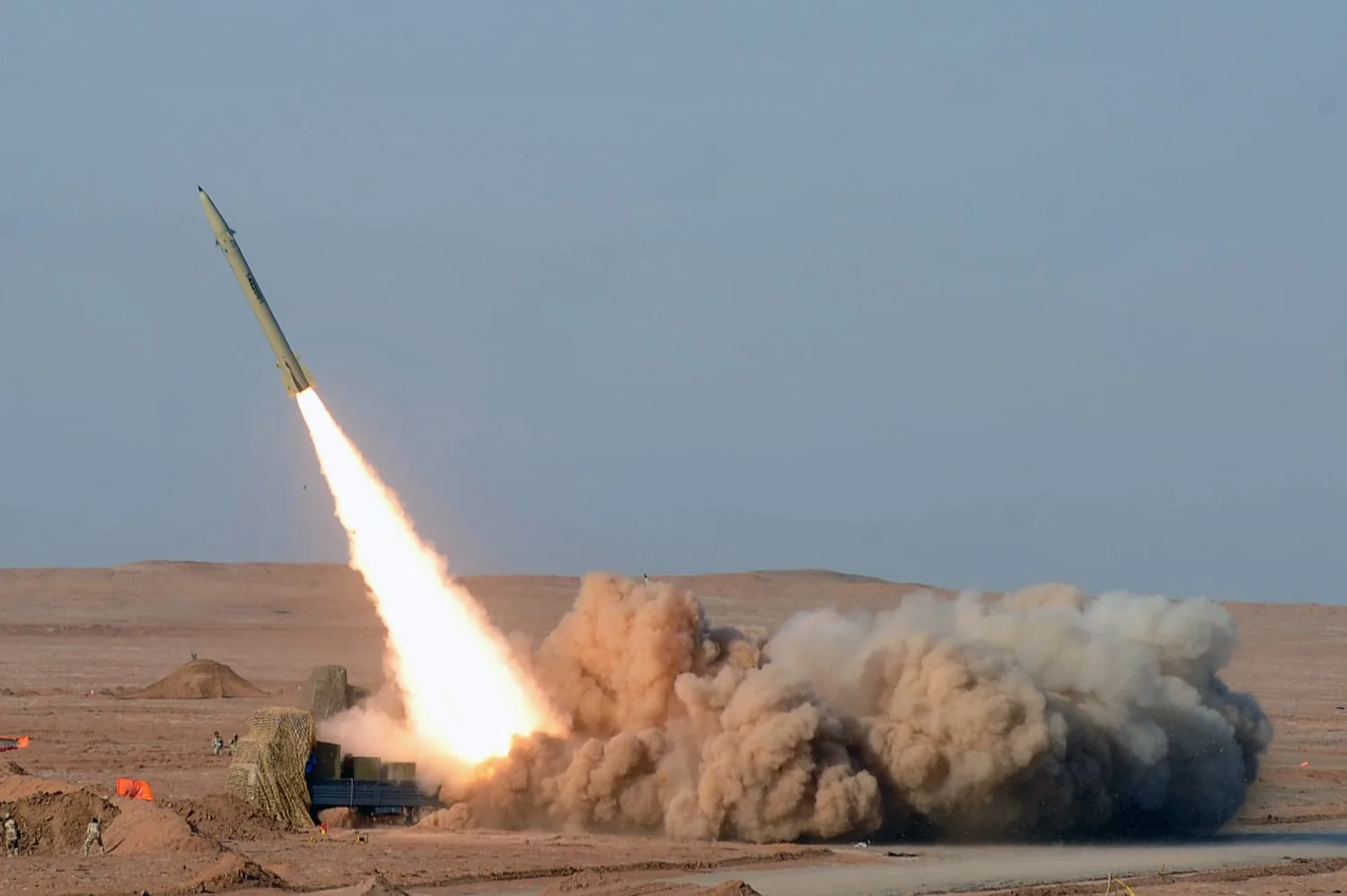
The geopolitical tension between the “E3” (France, the United Kingdom, and Germany) and Iran has reached a critical juncture, yet the threshold for direct military intervention remains exceptionally high. While rhetoric has sharpened over Iran’s nuclear advancements and its military support for Russia, the European powers have historically favored a “diplomacy-first” approach, utilizing sanctions and international legal frameworks rather than kinetic strikes on sovereign territory.
Read more #1 Free App in the US Apple App Store on March 6?
Recent Developments and Fact-Check
In the last 14 days, several key actions have defined the current stance of the European powers:
- Diplomatic Pressure: On February 11, 2025, UK Foreign Secretary David Lammy concluded a series of high-level meetings in the Middle East, where he emphasized the need for regional de-escalation and “pragmatic diplomacy.” The focus remains on curbing Iran’s influence through maritime security and economic pressure rather than direct military engagement.
- Sanctions Escalation: Throughout February 2025, the European Union and the UK have continued to expand sanctions targeting Iranian entities involved in drone and missile production. These measures are intended to degrade Iran’s military capabilities without resorting to an armed conflict that could destabilize the global energy market.
- Nuclear Oversight: Reports from early February 2025 indicate that the E3 is closely coordinating with the International Atomic Energy Agency (IAEA) regarding Iran’s uranium enrichment levels. The current strategy involves the potential “snapback” of UN sanctions—a legal mechanism—rather than a military strike to address nuclear non-compliance.
Analysis of Current Expectations
Based on the current trajectory, a “No” outcome appears more grounded in historical and procedural reality. Here’s the thing: for France, the UK, or Germany to initiate a missile or drone strike on Iranian soil, there would need to be a catastrophic failure of all diplomatic channels or a direct, unambiguous provocation against European territory. None of the E3 nations currently have a mandate for offensive operations against Iran, and their military assets in the region are primarily focused on defensive postures, such as Operation Aspides in the Red Sea.
The definition of a “strike” in this context is very specific. It excludes intercepted missiles, cyberattacks, and naval shelling. Given that Iran possesses sophisticated air defense systems, any attempted strike that is intercepted would not trigger a “Yes” resolution. This technicality significantly raises the bar for a successful qualifying event.
Read more Bitcoin above ___ on March 7?
What Could Shift the Picture?
While the status quo leans toward restraint, certain triggers could rapidly change the assessment:
- Nuclear Breakout: A formal announcement or verified evidence that Iran has moved to weaponize its nuclear program could force a shift from sanctions to kinetic deterrence.
- Direct Attacks on Embassies: Any Iranian-led strike on a European embassy or consulate would likely meet the criteria for a proportional military response.
- Formal “Snapback” Failure: If the legal mechanism to restore UN sanctions fails to deter Iran, the E3 might face internal pressure to consider more aggressive “red line” enforcement.
Current market data shows a 24.55% probability for a “Yes” outcome, with a significant total volume of over $2.1 million. The price has seen a slight downward trend of 0.0275 over the past week, reflecting a cautious but steady lean toward the “No” position as the March 2026 deadline remains distant.
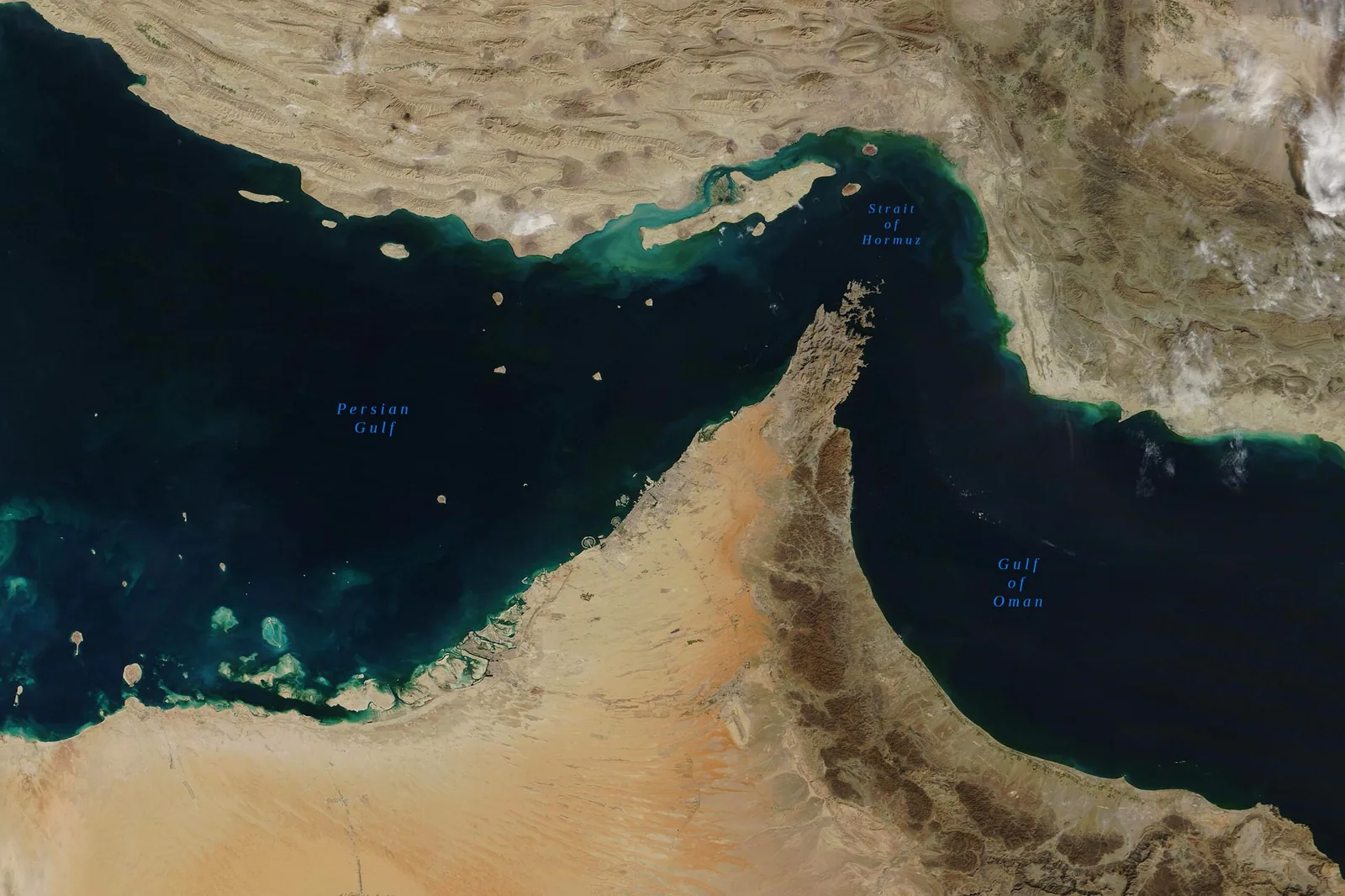
Read more Which countries will Iran strike in March? The geopolitical landscape in the Persian Gulf has shifted from «shadow wars» to direct kinetic confrontation. For years, the Islamic Republic of Iran relied on its «Axis of Resistance» proxies to project power. However, recent military doctrine has pivoted toward direct strikes launched from Iranian soil, explicitly claimed by the Islamic Revolutionary Guard Corps (IRGC). This shift changes the calculus for every neighbor in the region. Fact-Check: Recent Precedents and Strategic Shifts To understand the current situation, we have to look at two critical events from the past year. First, in January 2024, Iran launched ballistic missiles directly at Erbil, Iraq, claiming to target an Israeli «espionage center.» This was a significant departure from using local militias. Second, the massive April 2024 aerial attack on Israel demonstrated Iran’s willingness to launch hundreds of drones and missiles from its own territory, even if the strategic goal was more about signaling than destruction. Furthermore, Iranian officials have repeatedly warned that any country allowing its territory or airspace to be used for operations against Tehran would be considered a legitimate target. The Primary Candidate: United Arab Emirates (UAE) The UAE stands out as the most likely focal point for a confirmed strike this month. Here’s the thing: the near-certainty in current assessments suggests that a specific event has likely already occurred or is officially imminent. The UAE hosts critical infrastructure and maintains a complex relationship with both the West and Israel, making it a prime target for «sovereignty signaling» by the IRGC. Given the strict resolution criteria—which require the strike to be explicitly claimed by Iran or confirmed to have originated from Iranian territory—the UAE’s high standing indicates a consensus that a direct military action has breached its soil or diplomatic facilities. The «Interception» Hurdle: Why Jordan and Others Lag Behind While Iraq, Bahrain, and Kuwait also show near-certainty, Jordan presents a different puzzle. Why is the confidence lower there? Look closer at the rules: missiles or drones that are intercepted do not count toward a «Yes» resolution. Jordan has a proven track record of active defense, having intercepted Iranian projectiles during previous escalations to protect its own airspace. This «interception clause» creates a high barrier for a «Yes» resolution in countries with robust air defense partnerships, even if they are physically targeted. Similarly, countries like Turkey and Cyprus remain in the low-probability bracket because a direct, claimed strike from Iranian territory would represent a massive, unnecessary expansion of the conflict into NATO-adjacent territory. Signals to Watch What changes the picture from here? Watch for official statements from the IRGC’s «Sepah News» or state-run IRNA. Any strike that remains «unclaimed» or is attributed to Houthi or Hezbollah forces will fail to meet the criteria. The key trigger is the «origin of launch» confirmation from international monitoring bodies, which distinguishes a direct Iranian state act from a proxy operation. Current Market Sentiment The data shows an overwhelming consensus for a multi-country event involving the UAE, Kuwait, Iraq, and Bahrain, with all four hovering above 98% probability. The UAE leads with 99.85% certainty, despite having a lower trading volume ($202,723) compared to the speculative activity seen in the Cyprus market ($1,016,767), where the probability remains low at 15.5%. Jordan remains the most contested mid-tier candidate, fluctuating around 60% due to the technicalities of the interception rules. Sources : Reuters: Iran’s Revolutionary Guards attack targets in Iraq BBC: Iran launches unprecedented direct attack on Israel Al Jazeera: Iranian forces seize vessel near Strait of Hormuz
Источники: