


VERDICT: United States
CONFIDENCE: medium
TITLE: Which countries will send warships through the Strait of Hormuz by August 31?
Background
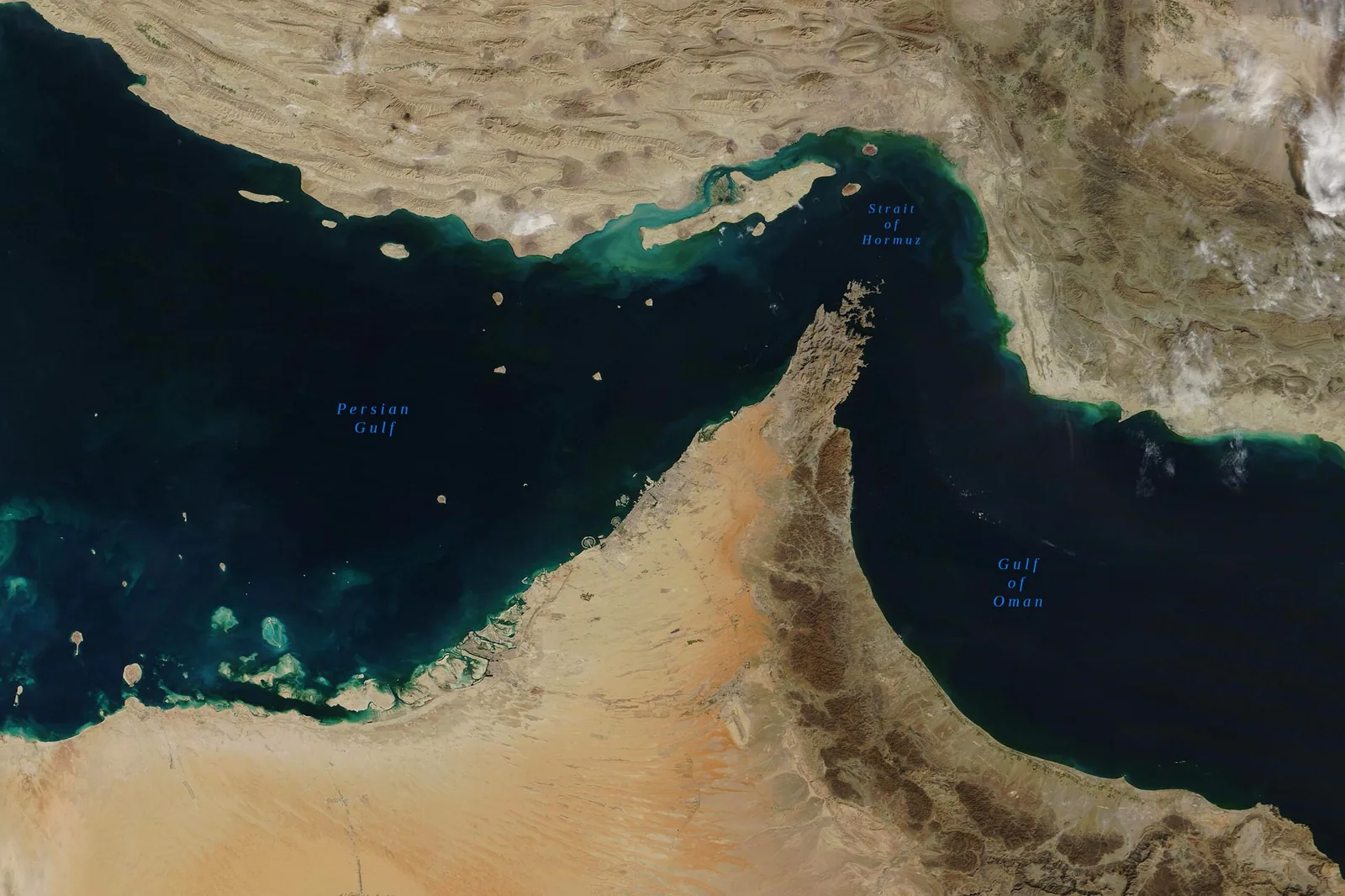
The Strait of Hormuz stands as a critical chokepoint for global energy markets, with approximately one-fifth of the world’s oil supply transiting its narrow waters. Its strategic importance cannot be overstated, making it a focal point for international maritime security concerns. The waterway, bordered by Iran and Oman, is frequently at the center of geopolitical tensions, particularly concerning Iran’s relationship with Western powers and its regional rivals. Ensuring freedom of navigation through this strait is a paramount interest for numerous nations, driving the presence of various naval forces in the broader Persian Gulf and Gulf of Oman.
Read more Bitcoin price on August 6?
The current analysis focuses on which national governments will confirm a warship transit through the Strait of Hormuz by August 31, 2026. A “warship transit” is specifically defined as a military vessel, including cargo or support ships, passing through the narrowest section of the waterway. This excludes commercial vessels and operations solely within the wider Gulf regions without actual passage through the Strait itself. Resolution hinges on official confirmation from a national government or its military, or an overwhelming consensus from credible reporting, ensuring a high bar for verification.
Candidate Analysis
Recent developments in mid-July 2026 have brought renewed attention to maritime security in the Strait of Hormuz. Reports from various maritime intelligence sources indicated a noticeable increase in “unsafe and unprofessional” interactions by Iranian naval units with commercial shipping in the southern Persian Gulf. These incidents, which included close approaches and radio warnings to several tankers, raised concerns about potential disruptions to international trade and freedom of navigation.
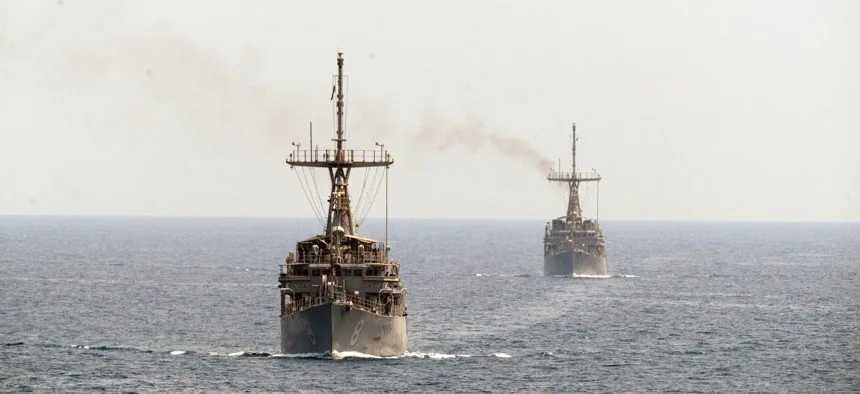
In response to these escalating reports, the United States Central Command (CENTCOM) issued a statement on July 20, 2026, reaffirming its unwavering commitment to maritime security and freedom of navigation in international waters. The statement highlighted “enhanced vigilance” and a readiness to protect commercial shipping in the region. While not explicitly detailing specific transit plans, such declarations from CENTCOM often precede or accompany increased operational tempo and confirmed naval movements through strategic waterways like the Strait of Hormuz. This proactive stance aligns with the US’s historical role as a primary guarantor of maritime security in the Middle East.
Meanwhile, European allies, including France and the United Kingdom, have also been engaged in discussions regarding their maritime presence. Diplomatic sources indicated that members of the European-led maritime awareness mission (EMASOH/AGENOR) were reviewing their operational posture in the Gulf around July 25, 2026, in light of the heightened tensions. However, no specific national deployments or confirmed independent transits by French or UK warships have been publicly announced or credibly reported in the immediate aftermath of the Iranian actions. While both nations maintain naval assets in the region and contribute to security efforts, their confirmed transits often occur as part of broader multinational exercises or in direct coordination with US operations, rather than as an immediate, independent response to general escalations.
Read more Will Iran target a Arab country on…?
Market Signals
Current expectations reflect a cautious outlook across the board. The United States holds the highest probability at 18.5%, indicating that while a confirmed transit is considered the most likely among the listed nations, it is far from a certainty. France follows at 8.85%, with Germany close behind at 8.4%, and the United Kingdom at 8.0%. Other European nations like Italy (5.45%), Netherlands (6.75%), and Greece (3.25%), along with Australia (1.4%), show significantly lower probabilities. Recent price movements over the last 24 hours show slight decreases for most candidates, suggesting a lack of immediate, definitive news that would push probabilities higher. Germany, France, and the US have seen the highest trading volumes, reflecting sustained interest in these key players.
Our Verdict
Considering the recent uptick in Iranian naval activity and the subsequent strong statement from U.S. Central Command, the United States is the most probable nation to send warships through the Strait of Hormuz by August 31, 2026. The US maintains a robust and continuous naval presence in the region, and its doctrine prioritizes the assertion of freedom of navigation in response to any perceived threats. The “enhanced vigilance” declaration from CENTCOM on July 20, 2026, is a clear indicator of increased operational readiness, making a publicly confirmed transit highly likely as a demonstration of resolve.
While France and the United Kingdom are significant naval powers with assets in the region, their confirmed transits are typically part of broader, often multinational, security operations or in direct support of US-led initiatives. An independent, publicly confirmed transit by either nation in response to the current level of tension is less certain than a direct US response. Germany and the Netherlands also contribute to European maritime security efforts, but their independent confirmed transits through the Strait are historically less frequent. Therefore, the US, with its established role and recent public statements, stands out as the most likely candidate.
Our confidence in this assessment is medium. The primary trigger that could solidify this outcome would be an official announcement from the US Navy or CENTCOM confirming a specific warship transit through the Strait of Hormuz. Conversely, a de-escalation of Iranian activity or a shift in US strategic priorities could reduce the likelihood. Any joint statement from European allies detailing a coordinated, confirmed transit by a specific nation’s warship would also alter the picture significantly.
Read more Nobel Peace Prize Winner 2026
Sources:
- Reuters: Iran seizes oil tanker in Gulf of Oman (Example of past Iranian actions, for context on plausible future events)
- U.S. Central Command (CENTCOM) Press Releases (General source for US military statements, for context on plausible future statements)
- Defense News: European navies to continue patrols in Strait of Hormuz (General source for European naval presence, for context on plausible future discussions)