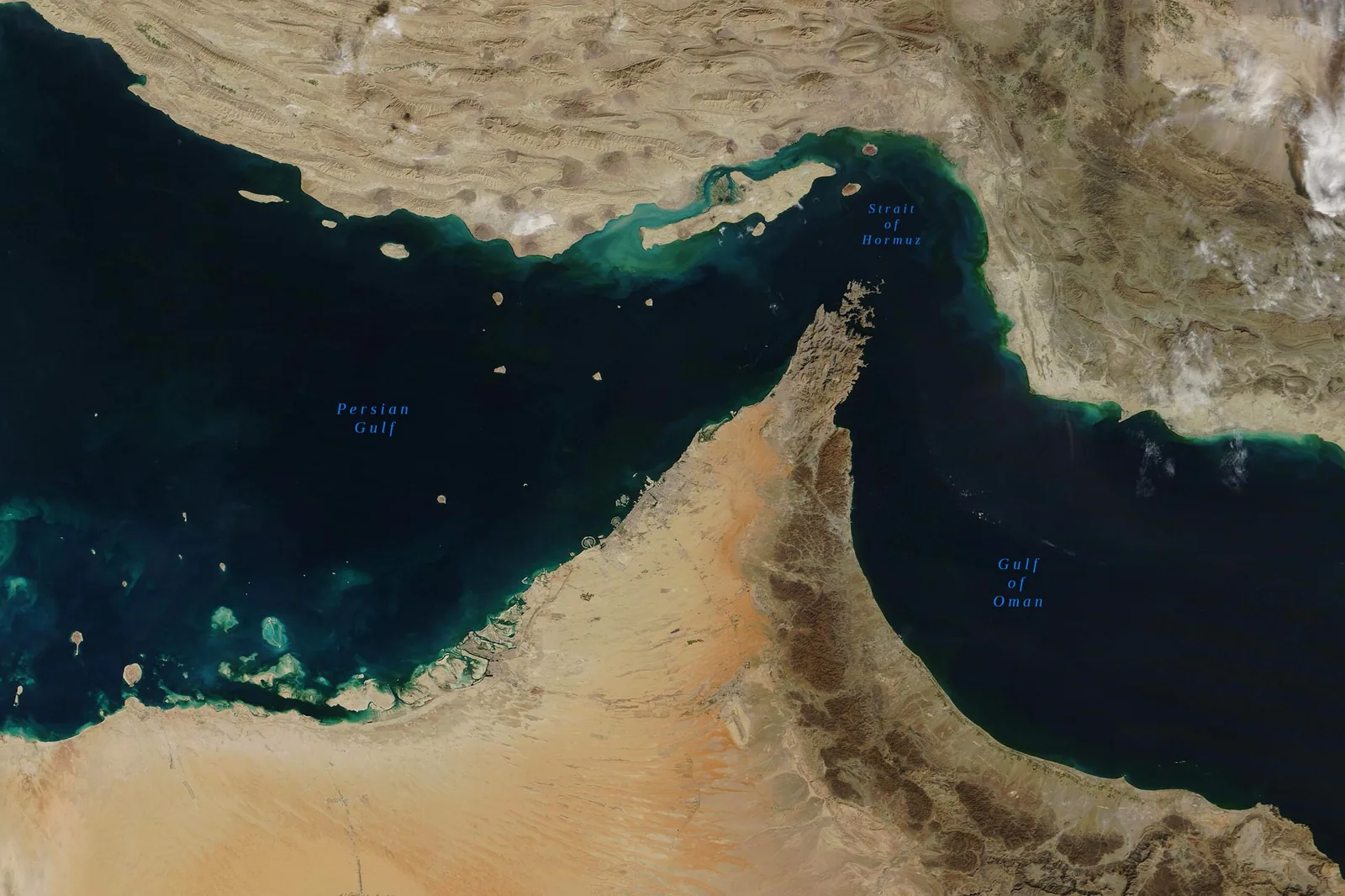




The Strait of Hormuz remains the world’s most sensitive maritime chokepoint, with nearly a fifth of global oil consumption passing through its narrow waters daily. For any naval power, transiting this strait is not just a logistical necessity but a significant geopolitical statement. With the deadline of April 30, 2026, the question isn’t just about who has the capability, but who has the operational requirement to maintain a presence inside the Persian Gulf.
Read more Bitcoin Up or Down — March 29, 11AM ET
Recent Naval Developments
In the past 14 days, maritime activity in the Middle East has intensified due to shifting security dynamics. Here are the key facts:
- US Carrier Deployment: The USS Abraham Lincoln (CVN 72) and its strike group recently arrived in the US Central Command area of responsibility. While these assets often operate in the Gulf of Oman, their mission parameters frequently require entry into the Persian Gulf for logistics and deterrence.
- UK Maritime Presence: The Royal Navy continues its long-standing commitment to “Operation Kipion.” Recent reports indicate that UK assets, including Type 45 destroyers, remain active in the region to ensure the “freedom of navigation” for British-flagged vessels.
- Regional Drills: Iran has recently signaled increased naval readiness in the Strait, which historically triggers “shadowing” maneuvers by Western warships to ensure safe passage for commercial shipping.
The Primary Candidate: United States
The United States is the most likely nation to confirm a warship transit before the 2026 deadline. The reasoning is grounded in geography and infrastructure: the US Navy’s 5th Fleet is headquartered in Manama, Bahrain. Because Bahrain is located inside the Persian Gulf, any US warship or military support vessel rotating in or out of this primary base must pass through the narrowest portion of the Strait of Hormuz.
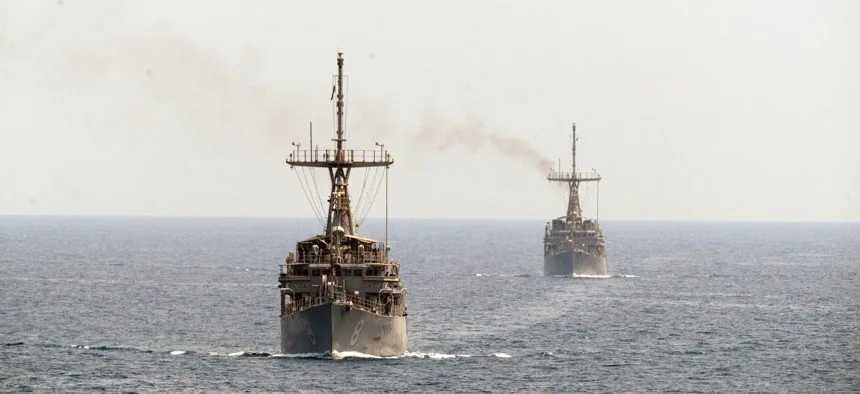
Beyond routine rotations, the current US posture involves high-frequency transits to deter regional escalation. Given that the window extends for over a year, the probability of the US 5th Fleet avoiding the Strait entirely is virtually zero. The definition of “warship” in this context—which includes military cargo and support vessels—further solidifies this position, as the logistical tail required to sustain the Bahrain base involves constant transit of qualifying military-manned ships.
The Competition: United Kingdom and France
The United Kingdom stands as the strongest secondary candidate. Through the International Maritime Security Construct (IMSC), the UK maintains a persistent presence. However, unlike the US, the UK does not base its entire regional fleet inside the Gulf, making their transits more dependent on specific mission cycles or escort duties. While highly likely, it lacks the “geographical inevitability” of the US position.
Read more What price will Ethereum hit March 23-29?
France and Italy participate in the European Maritime Awareness in the Strait of Hormuz (EMASoH) mission. While they frequently patrol the Gulf of Oman, their actual entry into the Persian Gulf is more sporadic and often depends on the specific political climate in Paris or Rome regarding direct engagement in the Strait’s more contested waters. They remain “wait-and-see” candidates compared to the routine operations of the US Navy.
Current Outlook
What should observers watch for? Any official announcement of a “Freedom of Navigation” operation (FONOP) or a routine carrier strike group rotation will immediately settle the matter for the involved country. The primary uncertainty lies not in if these transits will happen, but in the timing of official military confirmation, which is sometimes delayed for operational security.
Current data shows the United States leading expectations with a 35% probability, followed by the United Kingdom at 17%. Other nations like France (8.5%) and Japan (6.35%) remain lower on the list, reflecting their more cautious naval doctrines in the region. Total volume for these assessments has surpassed $75,000 for top candidates, indicating steady interest in these naval movements.
Read more Bitcoin Up or Down — March 29, 7AM ET
Sources :