




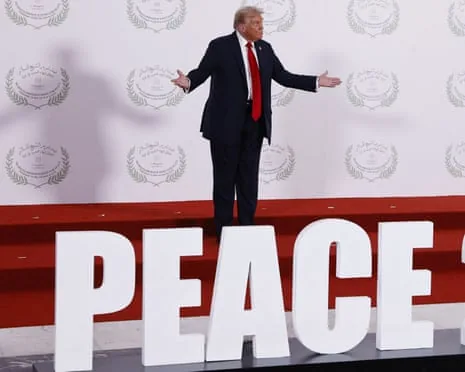
The diplomatic landscape has shifted rapidly following the formal invitations sent by the United States to establish a “Board of Peace.” This body, intended to oversee conflict resolution in Gaza and other global hotspots, isn’t just another talking shop. With high-profile figures like Marco Rubio, Tony Blair, and Jared Kushner already named as key architects, the initiative is moving from a campaign concept to a functional administrative entity. However, the criteria for “joining” are exceptionally high, requiring a definitive public commitment rather than vague diplomatic pleasantries.
The State of Play: Fact-Checking the Board’s Formation
Over the last two weeks, several key developments have clarified the board’s trajectory:
- Formal Appointments: On January 17, 2026, the U.S. administration officially named its core leadership for the board, signaling that the invitation phase for international partners has begun in earnest. This move transitioned the project from a proposal to an active diplomatic request.
- The “Blair” Factor: The inclusion of former UK Prime Minister Tony Blair as a founding member provides a bridge to European and Middle Eastern leadership, though his role is currently individual rather than a formal state commitment from the United Kingdom.
- Strict Membership Criteria: The governing rules for the board’s formation emphasize “definitive intent.” This means standard diplomatic phrases like “agreeing in principle” or “studying the proposal” will not trigger a formal recognition of membership.
The Lead Candidate: Ukraine
Ukraine is currently the most logical candidate to issue a definitive “Yes” before the February 28 deadline. Why? Because for Kyiv, being left out of a U.S.-led peace board is a strategic risk they cannot afford. President Zelenskyy has consistently sought to align with the “peace through strength” doctrine to ensure Ukraine remains a central participant in any negotiations regarding its own borders and sovereignty.
While other nations might hesitate to avoid upsetting existing multilateral frameworks (like the EU or UN), Ukraine’s urgency is unique. A formal announcement of joining the Board of Peace would serve as a vital signal of loyalty to the new U.S. administration’s framework, potentially securing a seat at the table where the “elsewhere” in the board’s mandate—specifically the Russia-Ukraine conflict—will be discussed. Unlike Western European nations that may wait for a collective consensus, Ukraine has the motive to act unilaterally and decisively.
Read more Bitcoin above ___ on March 20?
The Competition: Italy and the United Kingdom
Italy and the UK are the closest competitors, but they face higher domestic and regional hurdles. Italy’s Giorgia Meloni has shown strong ideological synergy with the new U.S. leadership, but she must navigate the complexities of European Union collective foreign policy. A “definitive” join might be delayed by Brussels’ bureaucracy. The UK is in a similar bind; despite Tony Blair’s personal involvement, the current government in London is likely to use cautious language—”working closely with” or “supporting the goals”—which fails the strict resolution requirement for a definitive “Yes.”
What to Watch For
The situation remains fluid, and the primary triggers for a shift in outlook will be:
- Official Government Gazettes: Watch for formal decrees or “Charter signings” from invited nations.
- Joint Press Conferences: Any statement using the specific phrase “We have accepted the invitation to join” will be the definitive signal.
- G7 Reactions: If one G7 nation breaks rank to join definitively, it could trigger a domino effect.
Current observations show Ukraine leading with a 1.8% probability and a volume of approximately $58,000. Russia follows closely at 1.65% with significantly higher volume ($254,000), though its path to a “definitive join” is diplomatically more fraught. Other European nations like Italy (1.5%) and Finland (1.15%) remain in the low single digits, reflecting the market’s skepticism toward countries meeting the strict “definitive intent” criteria within such a short window.
Read more Bitcoin price on March 19?
Sources :