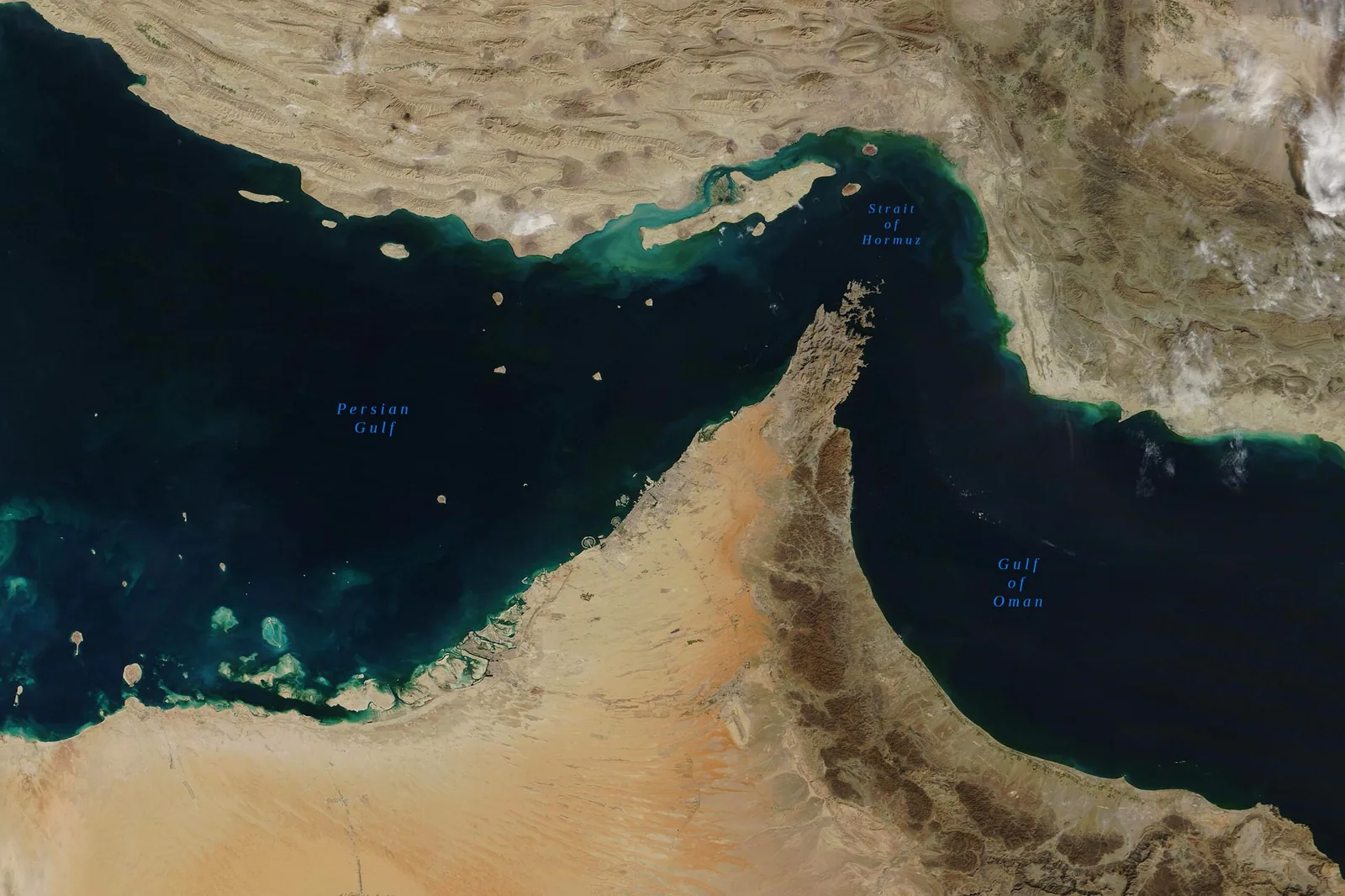




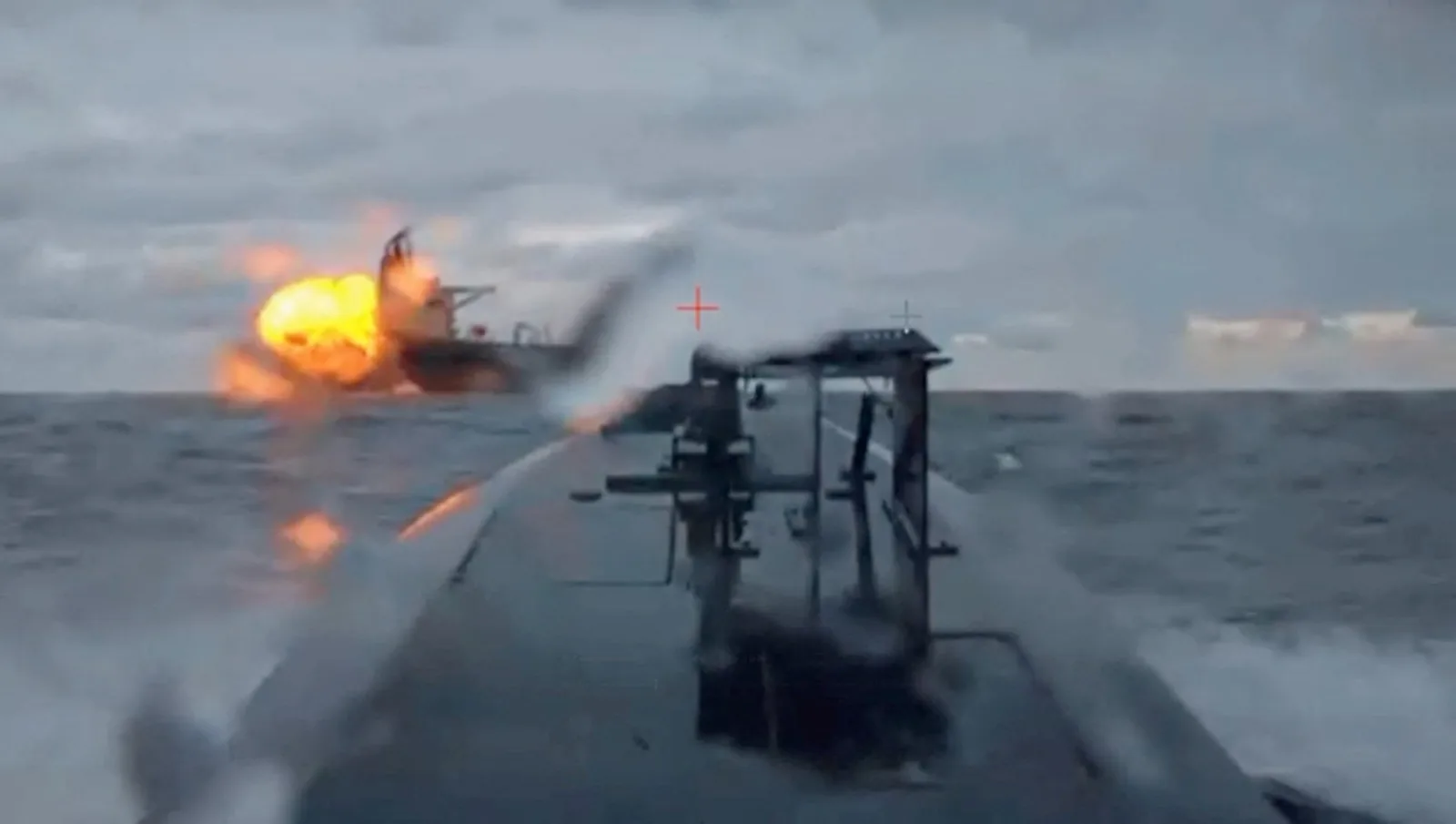
The strategic focus in the Black Sea has shifted decisively toward the disruption of energy logistics. While the early stages of the conflict focused on naval combatants, the recent targeting of the “shadow fleet”—vessels used to transport oil under various flags—marks a new phase in maritime attrition. The current situation is defined by a series of high-profile incidents in late 2025 that have fundamentally altered the risk profile for commercial shipping in the region.
Read more Ethereum price on April 3?
Recent Developments and Fact-Check
Over the last two weeks, the focus has remained on the aftermath and attribution of strikes that occurred in December. Here is the current state of play:
- The “Dashan” Incident: On December 10, 2025, the tanker “Dashan” was disabled by sea drones while transiting Ukraine’s exclusive economic zone toward Novorossiysk. This event was widely documented as a successful operation to intercept shadow fleet operations. You can find more details on this at Reuters.
- The “Midvolga-2” Strike: Earlier, on December 2, 2025, the “Midvolga-2” was struck off the coast of Turkey. Despite the proximity to a NATO member’s waters, the strike was attributed to Ukrainian efforts to target Russian oil exports. This incident is a primary pillar for current assessments, as reported by Al Jazeera.
- Operational Continuity: In the first week of January 2026, Ukrainian naval officials reiterated that any vessel assisting the Russian military-industrial complex, including oil tankers, is considered a legitimate target. This policy remains in force, with no signs of a ceasefire in the maritime domain.
The Case for a “Yes” Outcome
The most grounded conclusion is that the criteria for a successful strike have already been met. Here’s the thing: the specific rules governing this event explicitly include the December 2 incident involving the “Midvolga-2” as a qualifying strike. Since that event is already a matter of public record and has been attributed to Ukraine by multiple credible media outlets, the requirement for a “strike” is effectively satisfied.
Furthermore, the disabling of the “Dashan” on December 10 reinforces this. These aren’t just random accidents; they are part of a systematic campaign using advanced naval drones like the “Sea Baby” and “Mamai” series. These drones have proven capable of reaching deep into the Black Sea, making the “Yes” outcome the only logical conclusion based on the established criteria.
Read more #1 Free App in the US Apple App Store on April 3?
Why the Alternative Fails
The “No” outcome would require the total absence of any attributed strikes between the creation of the tracking period and the March 31, 2026, deadline. However, because the rules specifically grandfather in the December 2nd and December 10th incidents, the “No” path is virtually non-existent. Even if Ukraine were to stop all operations today, the prior events already fulfill the resolution conditions. For “No” to prevail, one would have to ignore the explicit inclusion of the “Midvolga-2” and “Dashan” strikes in the governing definitions.
Market Context
Current data reflects this reality, with a 99.7% probability and a total volume exceeding $252,000. Liquidity remains robust at approximately $84,748, indicating that the consensus is almost entirely settled on the “Yes” outcome due to the retroactive inclusion of the December strikes.
Read more Bitcoin above ___ on April 4?
Sources: