


VERDICT: No
CONFIDENCE: high
TITLE: Ukraine agrees not to join NATO by June 30?
Background
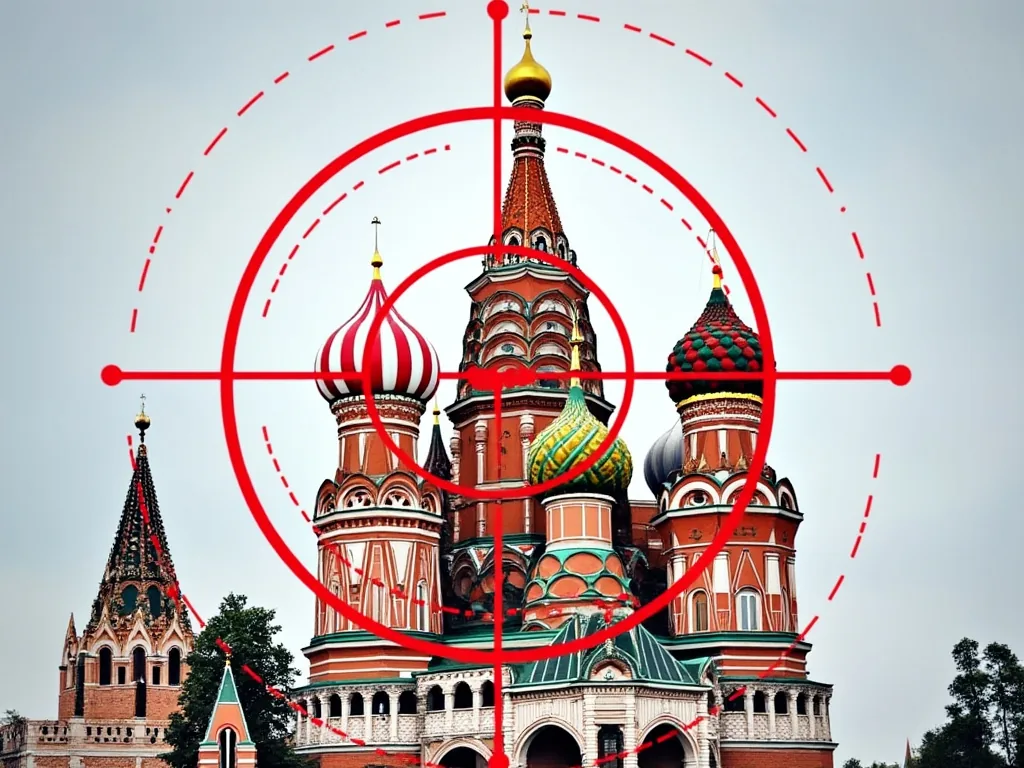
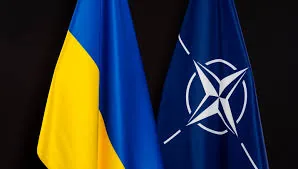
The question of Ukraine’s potential NATO membership has been a central flashpoint in European security for decades, escalating dramatically with Russia’s full-scale invasion in February 2022. Russia has consistently cited Ukraine’s aspirations to join the alliance as a primary justification for its aggression, demanding a “neutral” or non-aligned status for Kyiv. Conversely, Ukraine views NATO membership as its ultimate security guarantee and a strategic imperative, a goal now enshrined in its constitution.
Read more Quantinuum IPO Closing Market Cap
This particular event asks whether Ukraine will publicly agree not to join NATO by June 30, 2026. The resolution conditions are broad: a “Yes” outcome requires any public agreement or pledge from Ukraine, whether unilateral or as part of a deal with Russia. This includes temporary agreements, or even a precondition for a broader peace process. The deadline is still over a year away, allowing for significant shifts in the ongoing conflict and diplomatic landscape.
Key participants in this complex geopolitical dynamic include Ukraine, Russia, the NATO alliance (particularly the United States and major European powers), and other international actors involved in peace initiatives. The core tension lies between Ukraine’s sovereign right to choose its alliances and Russia’s insistence on a sphere of influence that precludes its neighbors from joining Western security blocs.
Key Factors
Examining recent developments and enduring geopolitical realities, several factors strongly influence the likelihood of Ukraine agreeing not to join NATO. First, Ukraine’s official position remains unequivocally committed to NATO membership. President Volodymyr Zelenskyy and other senior officials consistently reiterate this strategic goal. For instance, ahead of the NATO Washington Summit in July 2024, Kyiv continues to press for a clear pathway to alliance membership, emphasizing its commitment to reforms and interoperability with NATO forces. This stance is not merely rhetorical; it reflects a deep-seated national consensus that NATO membership is the only viable long-term security solution against Russian aggression.
Second, while NATO allies provide substantial military and financial support to Ukraine, the alliance itself has not offered a concrete invitation or a firm timeline for membership. NATO Secretary General Jens Stoltenberg, in remarks on June 13, 2024, ahead of a Defence Ministers meeting, reaffirmed strong support for Ukraine but focused on long-term assistance and interoperability rather than immediate membership. This cautious approach from NATO, while understandable given the ongoing war, means Ukraine’s path to full membership remains challenging, yet it does not imply a Ukrainian renunciation of the goal.
Third, Russia’s demands for Ukraine’s “neutrality” or non-NATO status persist as a core condition for any peace settlement. Russian Foreign Minister Sergey Lavrov, in an interview on June 14, 2024, reiterated Russia’s conditions for peace, which include Ukraine’s “neutral, non-aligned, non-nuclear status.” However, recent international peace initiatives, such as the Swiss-hosted summit on June 15-16, 2024, largely excluded Russia and focused on Ukraine’s own peace formula, which does not include renouncing NATO. This highlights a fundamental disconnect between the parties’ positions, with Ukraine showing no inclination to concede on its strategic security orientation.
What remains uncertain is the future trajectory of the war and the potential for unforeseen diplomatic breakthroughs. A drastic shift in the military balance or a significant change in Western support could alter Kyiv’s strategic calculus. However, as it stands, Ukraine’s constitutional mandate and national will to join NATO are robust, making a public agreement to forgo membership highly improbable under current conditions.
Read more What price will Bitcoin hit on June 4?
Market Signals
The observed probabilities reflect a strong consensus among participants regarding the outcome. The probability for “Yes” stands at a mere 3.15%, while “No” is priced at 96.85%. This indicates a widespread belief that Ukraine will not publicly agree to forgo NATO membership by the specified deadline. The market has seen substantial activity, with a total volume exceeding 1.4 million units and significant trading in the last 24 hours and week, suggesting active engagement from participants. While there have been minor fluctuations in price over short periods, the overall low probability for a “Yes” resolution has remained consistent, underscoring the prevailing sentiment.
Our Verdict
Our analysis leads to a clear verdict: Ukraine will not publicly agree not to join NATO by June 30, 2026. We hold a high level of confidence in this assessment.
The primary argument rests on Ukraine’s unwavering commitment to NATO membership, which is not merely a political aspiration but a constitutional mandate and a cornerstone of its national security strategy in the face of ongoing Russian aggression. As highlighted by President Zelenskyy’s consistent statements and Ukraine’s active engagement with NATO allies, Kyiv views alliance membership as essential for its long-term survival and sovereignty. Renouncing this goal, even as a temporary measure or a precondition for peace, would fundamentally undermine Ukraine’s strategic direction and national resolve, a step it has shown no willingness to take.
While Russia continues to demand Ukraine’s non-NATO status, Ukraine has demonstrated through its actions and diplomatic initiatives that it will not concede on this critical point. The recent peace summit in Switzerland, which focused on Ukraine’s own peace formula without Russian participation, further illustrates Kyiv’s determination to pursue a settlement on its terms, which do not include abandoning its NATO aspirations. Given the current geopolitical landscape and Ukraine’s strategic priorities, a public agreement to forgo NATO membership by June 2026 appears extremely unlikely.
Several triggers could potentially alter this assessment, though they would require significant shifts in the current environment. A catastrophic military reversal for Ukraine, forcing it into a highly disadvantageous peace agreement, could theoretically include such a pledge. Similarly, a dramatic and sustained reduction in military and financial support from key Western allies might pressure Kyiv to seek a settlement on Russia’s terms. Finally, an unforeseen, comprehensive diplomatic breakthrough that offers Ukraine alternative, ironclad security guarantees, coupled with a complete cessation of hostilities and a formal non-NATO pledge, could change the picture, but such a scenario currently lacks any tangible basis.
Read more Bitcoin Up or Down on June 4?
Источники:
- President.gov.ua – Ukraine expects decisions on NATO membership at the Washington Summit
- NATO – Secretary General’s remarks ahead of NATO Defence Ministers meeting
- Reuters – Ukraine peace summit in Switzerland aims to build broad support
- Russian Ministry of Foreign Affairs – Foreign Minister Sergey Lavrov’s interview with Sputnik, Rossiya Segodnya and Komsomolskaya Pravda radio stations