



VERDICT: Farsi Island remains under Iranian control by August 31, 2026
CONFIDENCE: high
TITLE: Farsi Island no longer under Iranian control by…?
Background
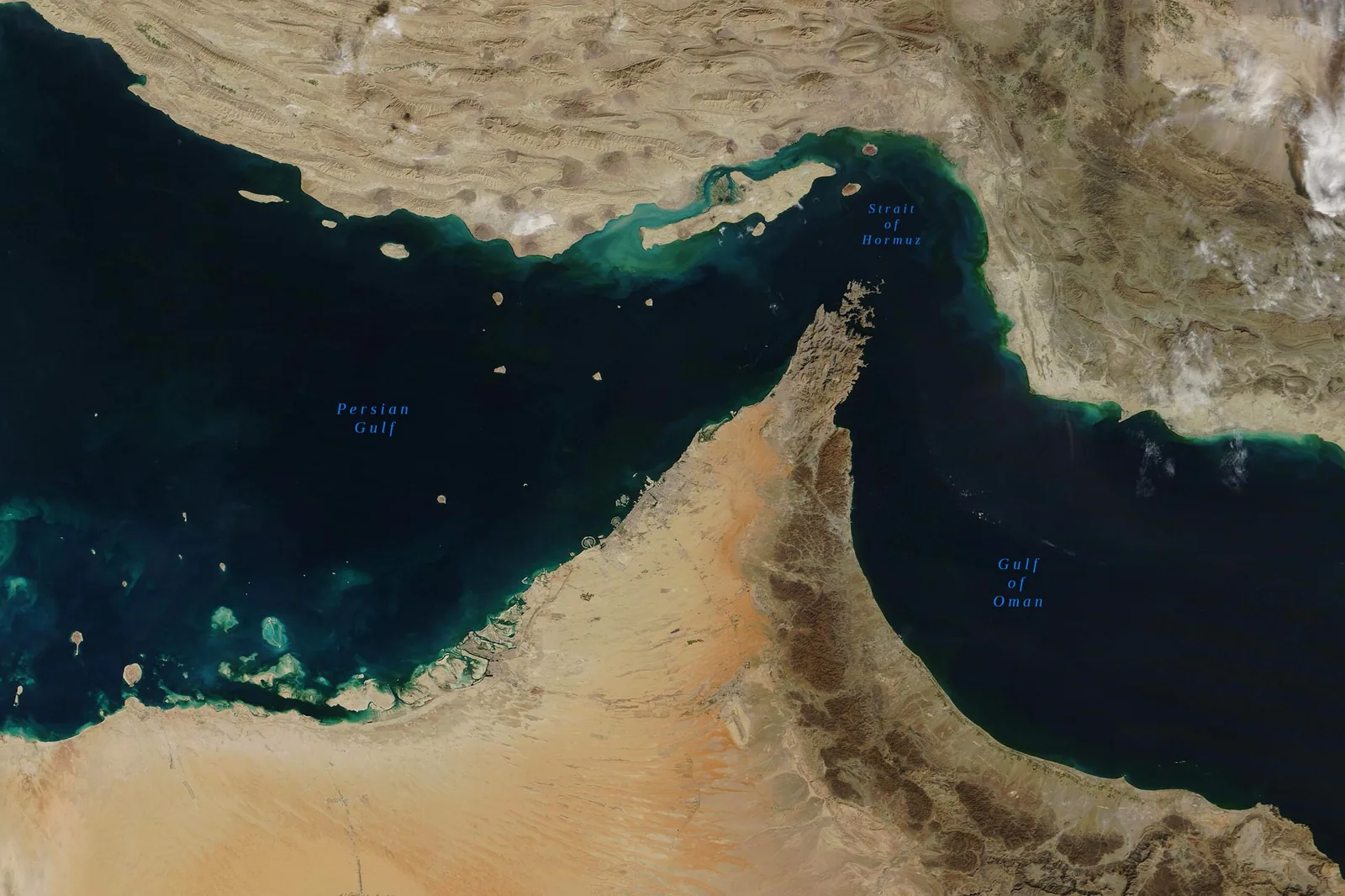
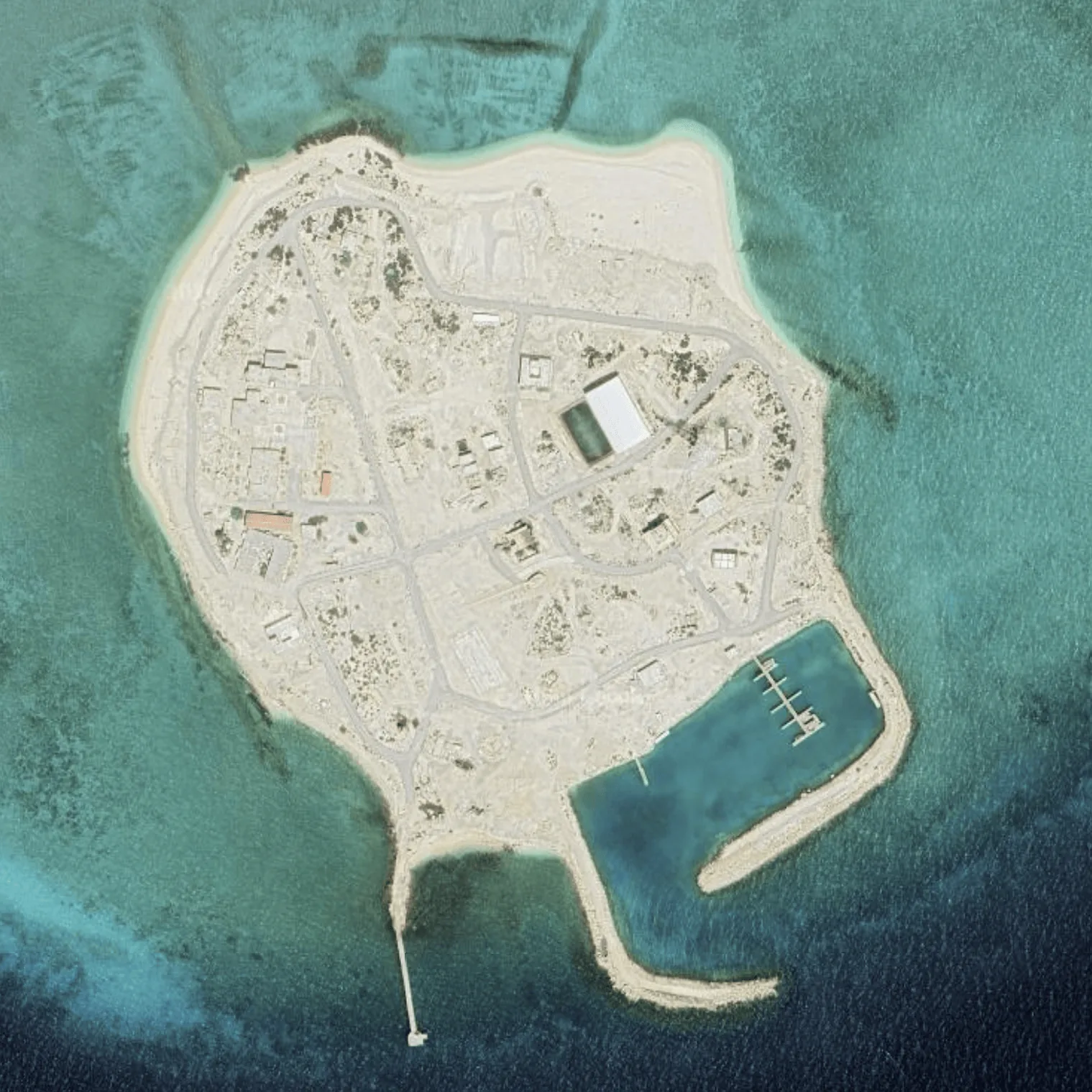
Farsi Island, a small but strategically vital piece of land in the Persian Gulf, sits squarely within the Strait of Hormuz, a critical global shipping lane for oil and gas. This island hosts a base for the Islamic Revolutionary Guard Corps Navy (IRGCN), making it a key outpost for Iran’s maritime control and projection of power in the region. The question at hand is whether Iran will lose primary governmental or military control over Farsi Island by a specified date, with the primary market focusing on August 31, 2026.
Read more Who will Trump meet with in July?
The conditions for resolution are stringent: “No longer under the control of Iran” means another state, occupying force, or internationally backed authority must establish actual, primary control. Temporary raids, isolated landings, or naval presence offshore do not qualify. This implies a significant military operation or a profound internal collapse of the Iranian regime leading to a loss of territorial integrity. Any change in control, even if negotiated, must be physically established on the island to count. If control remains contested or unclear, the market resolves to “No.”
The geopolitical landscape surrounding Farsi Island is consistently tense. The Strait of Hormuz is a flashpoint for international disputes, particularly involving Iran and Western powers, notably the United States. Incidents involving shipping, naval maneuvers, and regional proxy conflicts frequently underscore the fragility of peace in this area. The tags associated with this event—Iran, Geopolitics, U.S. x Iran, Strait of Hormuz—highlight the core drivers of potential change, or lack thereof.
Candidate Analysis
Analyzing the prospect of Farsi Island no longer being under Iranian control by August 31, 2026, requires a look at recent geopolitical developments and the inherent difficulty of such an outcome. In the past weeks, there have been no verifiable reports of any large-scale military buildup or imminent invasion plans targeting Iranian territory, let alone specific strategic islands like Farsi. While tensions in the Persian Gulf remain a constant, characterized by ongoing naval patrols and occasional rhetoric, these do not indicate a shift significant enough to meet the high bar for this market’s resolution. For instance, the U.S. Fifth Fleet maintains a robust presence in the region, conducting exercises and operations, but these are part of a long-standing posture, not a precursor to an invasion of Iranian sovereign territory. Similarly, Iran continues its own naval activities, reinforcing its control over its territorial waters and strategic assets.
The “Yes” outcome for Farsi Island to be no longer under Iranian control by August 31, 2026, would necessitate an event of monumental scale. This could be a direct, full-scale military intervention by a major power, or a complete internal collapse of the Iranian government leading to a loss of control over key strategic points. Neither scenario has shown any credible signs of developing in the immediate past. Iran’s defense capabilities, particularly around critical assets like Farsi Island, are substantial, and any attempt to seize it would undoubtedly lead to a protracted and costly conflict. The international community, while often critical of Iran, has not signaled any appetite for such a direct military confrontation that would involve seizing sovereign Iranian territory.
Comparing this to the “Farsi Island no longer under Iranian control by July 31, 2026” market, the arguments against a “Yes” resolution become even stronger. A change of control within such a short timeframe (just over a month from the market’s creation date) would require an immediate, unforeshadowed, and overwhelming military action or an instantaneous collapse of state authority. Given the absence of any such indicators in recent weeks, the likelihood of this earlier resolution date being met is exceedingly low. The primary market, with its slightly longer timeframe, still faces the same fundamental hurdles, as there’s no current evidence suggesting a major shift in the geopolitical calculus that would lead to such an outcome within the next two years.
Read more What will be said on the next Lemonade Stand Podcast? (July 22)
Market Signals
The observed market probabilities reflect the extreme unlikelihood of Farsi Island changing hands. The market for “Farsi Island no longer under Iranian control by August 31?” shows a probability of 5.15%, with a substantial volume of approximately 64,600 units traded. This low probability, despite the volume, underscores a strong consensus that the event is highly improbable. For the earlier deadline, “Farsi Island no longer under Iranian control by July 31?”, the probability stands at an even lower 1.15%, with a significantly smaller volume of around 118 units. The slight daily increase in the August market’s probability (0.005) and decrease in the July market’s probability (-0.004) are minor fluctuations within an overall very low probability range, not indicative of a fundamental shift in expectations.
Our Verdict
Based on the current geopolitical landscape and the stringent resolution criteria, our verdict is that Farsi Island will remain under Iranian control by August 31, 2026. The threshold for a “Yes” resolution is exceptionally high, demanding not just a temporary disruption but the established, primary control of another entity over the island. There are simply no verifiable facts or ongoing developments that suggest such a monumental shift is imminent or even likely within the specified timeframe.
Iran views Farsi Island as a critical strategic asset, integral to its control over the Strait of Hormuz. Any attempt to dislodge Iranian forces would be met with fierce resistance, escalating into a major regional conflict with global implications. The absence of any credible reports of an impending large-scale invasion of Iranian territory, or a severe internal collapse of the Iranian regime, strongly supports the continuation of the status quo. While regional tensions persist, they have not escalated to a point that would precipitate such a drastic change in territorial control.
Our confidence in this assessment is high. However, several triggers could alter this outlook. A direct, overt military intervention by a major global power specifically targeting Iranian strategic assets, including Farsi Island, would be the most direct catalyst. Alternatively, a profound and widespread internal collapse of the Iranian regime, leading to a complete breakdown of governmental authority and control over its territories, could also lead to such an outcome. Finally, a significant escalation of existing regional conflicts, drawing in external powers and leading to a direct confrontation over key maritime choke points, could also change the picture. Absent such extreme and currently unforeshadowed events, Farsi Island will almost certainly remain under Iranian control.
Read more Which company has the best Text Arena Math AI model end of August?
Sources: