



Background
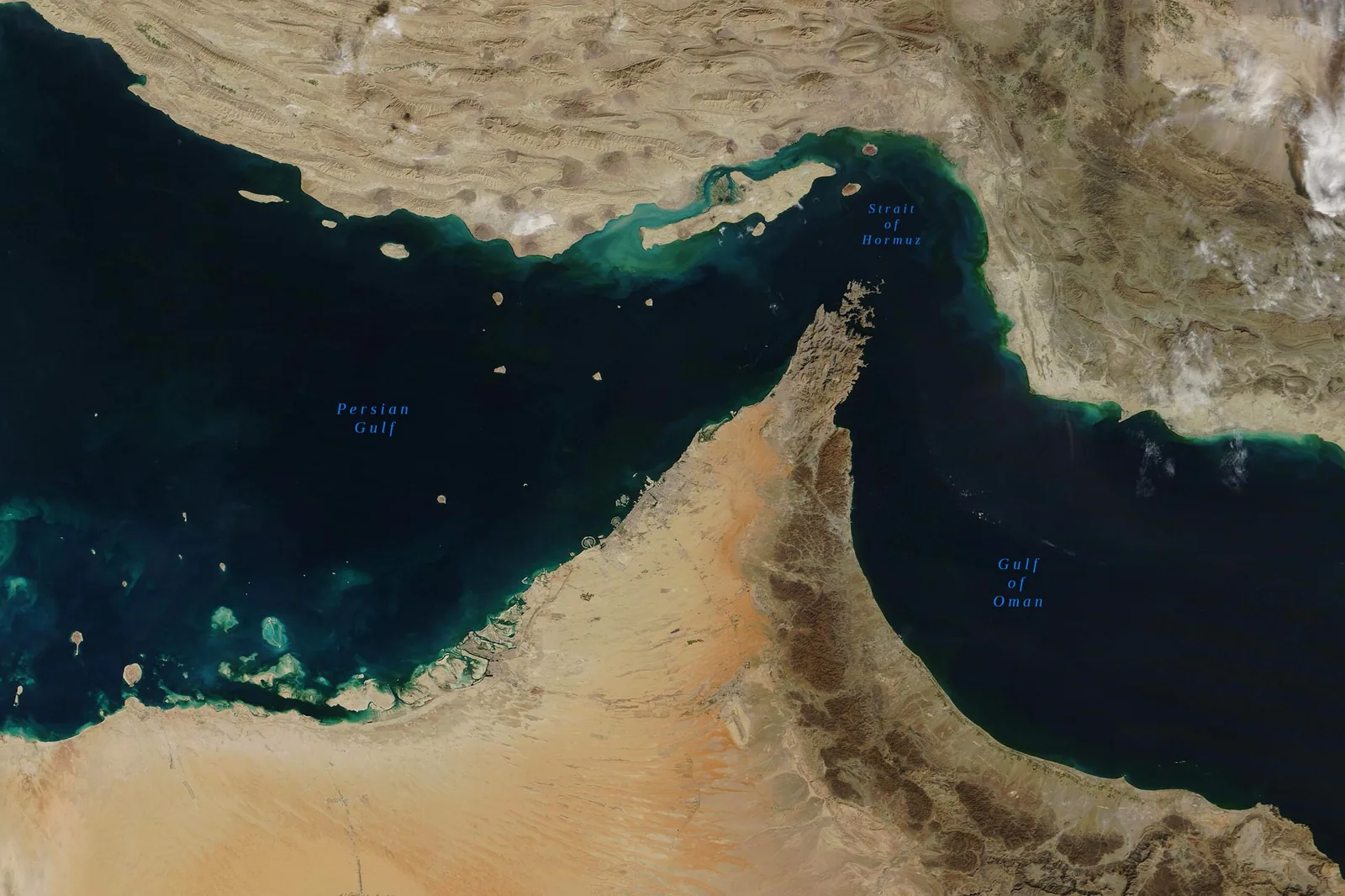
The geopolitical landscape shifted violently on April 12, 2026, when President Donald Trump officially announced a U.S. naval blockade of the Strait of Hormuz. This drastic measure followed the total collapse of high-stakes peace negotiations in Muscat, where U.S. and Iranian delegations failed to reach a consensus on maritime security and nuclear enrichment limits. The Strait is the world’s most sensitive oil chokepoint, with roughly 20% of global petroleum consumption passing through its narrow waters daily.
Read more Bitcoin above $70,000 on April 15?
The rules for lifting this blockade are strictly tied to official communication. For the situation to resolve, there must be an explicit public announcement from the President, the U.S. government, or the military stating that the blockade has ended or will end on a specific date. Informal leaks or a mere observation that ships have started moving again won’t count. We are looking for a definitive “mission accomplished” or “deal reached” statement that formally reopens the waterway.
Candidate Analysis
The most plausible window for a resolution is the period leading up to April 30, 2026. Here is why: the economic fallout from a total blockade is too severe for even a “maximum pressure” campaign to sustain indefinitely. Since the announcement on April 12, Brent crude prices have surged toward $140 a barrel, creating immediate domestic pressure on the administration regarding U.S. gasoline prices. Historically, Trump’s foreign policy maneuvers involve a “shock and awe” escalation followed by a rapid pivot to a deal. Reports from the Swiss embassy in Tehran suggest that backchannel communications resumed within 48 hours of the blockade’s commencement, indicating that neither side wants a full-scale kinetic war.
Looking at the alternatives, the April 13 and April 15 deadlines are almost certainly too early. A blockade requires time to exert leverage; lifting it within 72 hours would signal weakness rather than a successful negotiation. Conversely, waiting until May 31 risks a global recession and potential military escalation that could spiral out of control. The two-to-three-week window (ending April 30) provides just enough time for a “face-saving” agreement to be drafted, likely involving a temporary freeze on Iranian enrichment in exchange for the restoration of maritime traffic.
What remains uncertain is the internal stability of the Iranian regime under this level of pressure. If Tehran chooses to retaliate by mining the Strait or attacking regional energy infrastructure, the blockade could transition into a long-term military engagement, pushing the resolution date well into the summer or beyond.
Read more Bitcoin Up or Down — April 13, 10AM ET
Market Signals
Current data shows a significant concentration of interest in the late April and May windows. The April 30 timeline is currently viewed as a toss-up with a 43% probability, while the May 31 outlook sits higher at 65.5%. This suggests a consensus that while a quick “bluff” (April 13-15) is unlikely, there is a strong expectation that the crisis will be managed within a 30-to-60-day timeframe. The low 2.4% probability for the April 13 deadline confirms that observers do not expect an immediate capitulation from either side.
Our Verdict
The most likely outcome is an announcement that the blockade will be lifted by April 30, 2026. This conclusion is based on the “escalate to de-escalate” pattern seen in previous U.S.-Iran tensions and the unsustainable nature of a global energy freeze. The administration needs a win before the economic damage offsets the political gains of appearing “tough.” A two-week standoff is the standard duration for high-intensity diplomatic brinkmanship before the economic costs force a compromise.
Confidence is medium. While the logic of de-escalation is strong, the volatility of the actors involved—specifically the potential for a tactical miscalculation in the Persian Gulf—could easily delay a formal announcement. If a “Truth Social” post or a White House press release confirms a “new framework” for talks, that will be the primary signal that the blockade is being mothballed.
Watch for these three triggers:
1. A sudden drop in oil futures signaling a leaked “memorandum of understanding.”
2. Official statements from the U.S. Fifth Fleet regarding a change in “Rules of Engagement” in the Gulf.
3. Any mention of a “temporary maritime corridor” which often serves as a precursor to lifting a full blockade.
Read more GPT-5.5 released on…?
Sources: