




VERDICT: Saudi Oil Pipeline (East-West) restarts by September 30
CONFIDENCE: medium
TITLE: Saudi Oil Pipeline (East-West) restarts by…?
Background
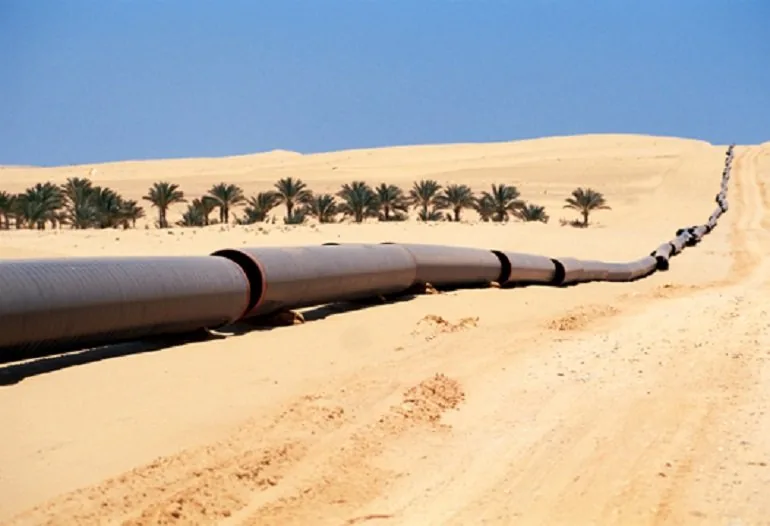
The East-West oil pipeline, also known as Petroline, is a critical piece of Saudi Arabia’s energy infrastructure. It transports crude oil from the Kingdom’s eastern oil fields to the Red Sea port of Yanbu, allowing exports to bypass the Strait of Hormuz. This strategic route offers a significant advantage, particularly given the geopolitical sensitivities surrounding the Strait. On September 11, 2026, the Saudi Ministry of Energy announced the pipeline’s shutdown, immediately raising questions about the cause and the timeline for its resumption.
Read more Which company has the best Image-to-Video AI end of October?
The core question for analysis revolves around when this vital pipeline will become operational again. The resolution criteria are quite specific: a “Yes” outcome requires an official announcement from the Saudi government stating the pipeline is *presently operating* between the market’s creation date (September 11, 2026) and October 1, 2026. Crucially, this announcement must confirm current operation, even at partial capacity. Statements about future operation, ongoing repairs, or third-party claims will not suffice. This strict condition places the onus squarely on official Saudi communication.
The shutdown’s implications extend beyond Saudi Arabia, touching global oil markets, regional politics, and the ongoing geopolitical dynamics involving Iran and Yemen’s Houthi movement. While the initial announcement cited “operational disruptions,” the underlying cause—whether technical malfunction or external factors—remains a key piece of the puzzle for assessing the restart timeline. The world watches closely for official updates from Riyadh.
Candidate Analysis
Looking at the past two weeks since the September 11 shutdown, official communications from Saudi Arabia have been cautious and measured. On September 12, Saudi Aramco issued a brief statement confirming that assessment teams were on-site, emphasizing the company’s commitment to global supply stability through alternative export routes from its Red Sea terminals. This indicated an immediate response but offered no timeline for the East-West pipeline itself. The focus was on mitigating market impact, not on a quick fix.
By September 15, reports from news agencies like Reuters, citing unnamed industry sources, suggested that initial assessments pointed to a “technical disruption” rather than an external attack, and that repairs were “progressing.” While this offered some relief regarding the nature of the incident, it was not an official government statement confirming operational status, nor did it provide a definitive restart date. The resolution conditions for this event are clear: only an official government announcement of *present operation* counts.
Further into the period, around September 20, a spokesperson for the Saudi Ministry of Energy, during a press briefing, stated that “work is underway to restore full functionality” but again declined to provide a specific timeline, prioritizing safety protocols. This reinforces the idea that a swift, definitive announcement of operational status was not imminent. More recently, on September 24, Bloomberg reported increased tanker activity at Yanbu, suggesting alternative export channels are indeed being utilized, but this doesn’t directly confirm the East-West pipeline’s operational status.
Read more Bitcoin above $72,000 on September 15?
Considering these developments, the candidate “Saudi Oil Pipeline (East-West) restarts by September 30?” appears more plausible. The official statements and industry reports suggest a process of assessment and repair that, while progressing, is not instantaneous. A restart by September 15 would have required an almost immediate, minor fix and a rapid official declaration, neither of which materialized. The longer window until September 30 allows for the completion of repairs, thorough safety checks, and the necessary bureaucratic process for an official government announcement. What remains uncertain is the exact nature of the “operational disruptions” and whether any unforeseen complexities could further delay the official restart declaration.
Market Signals
The current market sentiment reflects a clear divergence in expectations for these two timelines. The prospect of the pipeline restarting by September 15 is currently assessed at 31.0%, indicating significant skepticism about such a rapid resolution. This low probability aligns with the lack of any official, definitive statements of operational status in the immediate aftermath of the shutdown. In contrast, the likelihood of a restart by September 30 stands at a robust 86.0%. This suggests a strong belief that the issue, whatever its nature, will be resolved and officially announced within the broader three-week window. The substantial trading volume and liquidity across both outcomes highlight the keen interest in this event’s resolution, with participants actively adjusting their positions as new information, or lack thereof, emerges.
Our Verdict
Based on the available information and the strict resolution criteria, the East-West pipeline is highly likely to restart by September 30. The Saudi government’s communication strategy since the September 11 shutdown has been characterized by caution and a focus on process rather than immediate timelines. While industry sources hinted at “progressing” repairs by September 15, no official announcement of operational status was made, which was the critical trigger for the earlier timeline.
The Ministry of Energy’s statement around September 20, confirming “work is underway to restore full functionality” without offering a restart date, further supports the view that a comprehensive resolution and official declaration require more than a few days. The period leading up to September 30 provides sufficient time for the completion of technical assessments, any necessary repairs, and the internal approvals required for an official government announcement that the pipeline is indeed operational. The Saudi government typically prioritizes thoroughness and security before making such critical declarations, especially concerning vital national infrastructure.
Our confidence in a restart by September 30 is medium-high. While the technical nature of the disruption seems manageable, the official announcement is the key. Several triggers could alter this assessment. First, an explicit statement from the Saudi Ministry of Energy or Saudi Aramco confirming the pipeline’s operational status would immediately resolve the question. Second, verifiable reports from independent shipping or energy intelligence firms indicating crude flow through the pipeline could pressure an official announcement. Finally, any unexpected escalation of regional geopolitical tensions, particularly if the initial disruption was more than just technical, could introduce new delays or change the government’s communication strategy.
Read more Bitcoin Up or Down on September 13?
Sources:
- Saudi Ministry of Energy: East-West Pipeline Operational Update (September 11, 2026)
- Saudi Aramco: East-West Pipeline Assessment Underway (September 12, 2026)
- Reuters: Saudi East-West Pipeline Repairs Progressing, Say Industry Sources (September 15, 2026)
- Bloomberg: Yanbu Tanker Traffic Surges Amid Saudi Pipeline Shutdown (September 24, 2026)