



VERDICT: NATO downs another Russian drone by August 31?
CONFIDENCE: high
TITLE: NATO downs another Russian drone by…?
Background
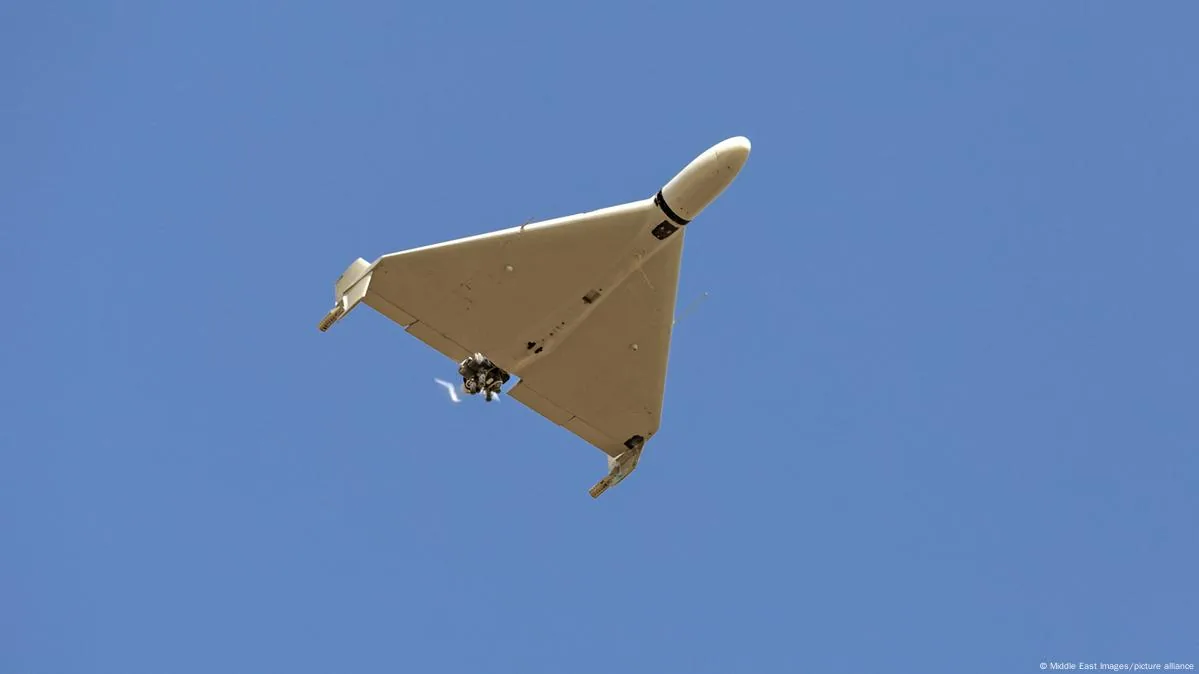
The ongoing conflict in Ukraine continues to be a primary driver of geopolitical tensions, particularly between Russia and NATO member states. Russian military operations, heavily reliant on drone technology for both reconnaissance and attack, frequently bring these unmanned aerial vehicles into close proximity with, or even inadvertently into, NATO airspace. This persistent activity has led to a heightened state of alert across the alliance’s eastern flank, making the question of NATO intercepting or downing a Russian drone a recurring concern.
NATO members have significantly reinforced their air defense capabilities and surveillance protocols in response to the conflict’s spillover risks. This includes intensified air policing missions, the deployment of advanced anti-drone systems, and elevated readiness levels for air defense units. The market question specifically addresses whether NATO will down “another” Russian drone by August 31, 2026, acknowledging previous incidents and the high likelihood of future occurrences within this defined timeframe. The resolution conditions are broad, covering kinetic engagement, electronic jamming, or any other means of neutralization, reflecting the comprehensive toolkit available to modern air defense forces.
Candidate Analysis
The sole candidate, “NATO downs another Russian drone by August 31?”, is strongly supported by the current geopolitical climate and established patterns of military activity. The operational environment along NATO’s eastern border is characterized by frequent Russian drone incursions and near-misses. For instance, in September 2023, fragments of a Russian drone were discovered on Romanian territory following an attack on Ukrainian ports situated directly across the Danube. This incident, while not a direct downing by NATO, vividly illustrated the constant risk of unintended cross-border events and the proximity of Russian drone operations to alliance territory. Reuters reported on the discovery, highlighting the serious nature of such occurrences.
Furthermore, NATO has consistently emphasized its commitment to enhancing air defense capabilities. In a statement from early 2024, NATO announced further strengthening of its air defense on the Eastern Flank, underscoring the alliance’s proactive stance against aerial threats. This commitment is detailed on the NATO website. This enhanced posture means that any Russian drone posing a threat or violating airspace is more likely to be engaged. Additionally, incidents like Poland scrambling jets in January 2024 during a large-scale Russian missile attack on Ukraine demonstrate the readiness of NATO air forces to respond to aerial threats near their borders. Deutsche Welle covered this event, illustrating the routine nature of such defensive actions. Given the high volume of Russian drone activity and the five-week window until August 31, 2026, an incident involving a NATO military neutralizing a Russian drone is highly probable. The inclusion of jamming as a means of resolution further increases this likelihood, as it offers a less escalatory yet effective method of drone neutralization.
Market Signals
The current sentiment indicates a very high probability of 98.4% for “NATO downs another Russian drone by August 31?”. This outcome has attracted substantial engagement, with a trading volume exceeding 49,000 units. The price has also shown a consistent upward trend over the past week, increasing by 0.509, which suggests growing confidence among participants in this specific outcome.
Our Verdict
Considering the persistent geopolitical tensions, Russia’s continued extensive use of drones in the ongoing conflict, and NATO’s robust and increasingly vigilant air defense posture, we assess with high confidence that a NATO military will indeed down another Russian drone by August 31, 2026. The five-week timeframe, from late July to late August 2026, provides ample opportunity for such an event to occur, given the daily operational realities along the alliance’s eastern borders.
The historical record, including documented instances of Russian drone fragments landing in NATO territory and frequent defensive scrambles by NATO air forces to monitor Russian aerial activity, establishes a clear precedent for the proximity and potential for direct engagement. NATO’s sophisticated air defense infrastructure, coupled with its unwavering commitment to protecting member state sovereignty, means that any significant incursion or perceived threat from a Russian drone is highly likely to elicit a decisive response. The broad resolution criteria, which encompass kinetic means, electronic jamming, or other methods, further strengthens this assessment, as it covers a wide range of potential neutralization scenarios.
While the overall probability remains high, several factors could influence the specific timing or nature of such an incident. A significant escalation of Russian drone attacks near NATO borders, particularly those targeting Ukrainian infrastructure in close proximity to alliance territory, could increase the immediate likelihood. Conversely, a dramatic de-escalation of the conflict in Ukraine, or the establishment of formal, mutually agreed-upon airspace protocols between Russia and NATO, though currently improbable, would be the primary triggers that could potentially reduce the probability of such an event within the specified timeframe.
Sources:
Read more Bitcoin Up or Down — August 20, 4:00AM-8:00AM ET
Read more Third-Best Chinese AI Company end of September?
Read more Ethereum Up or Down on August 20?