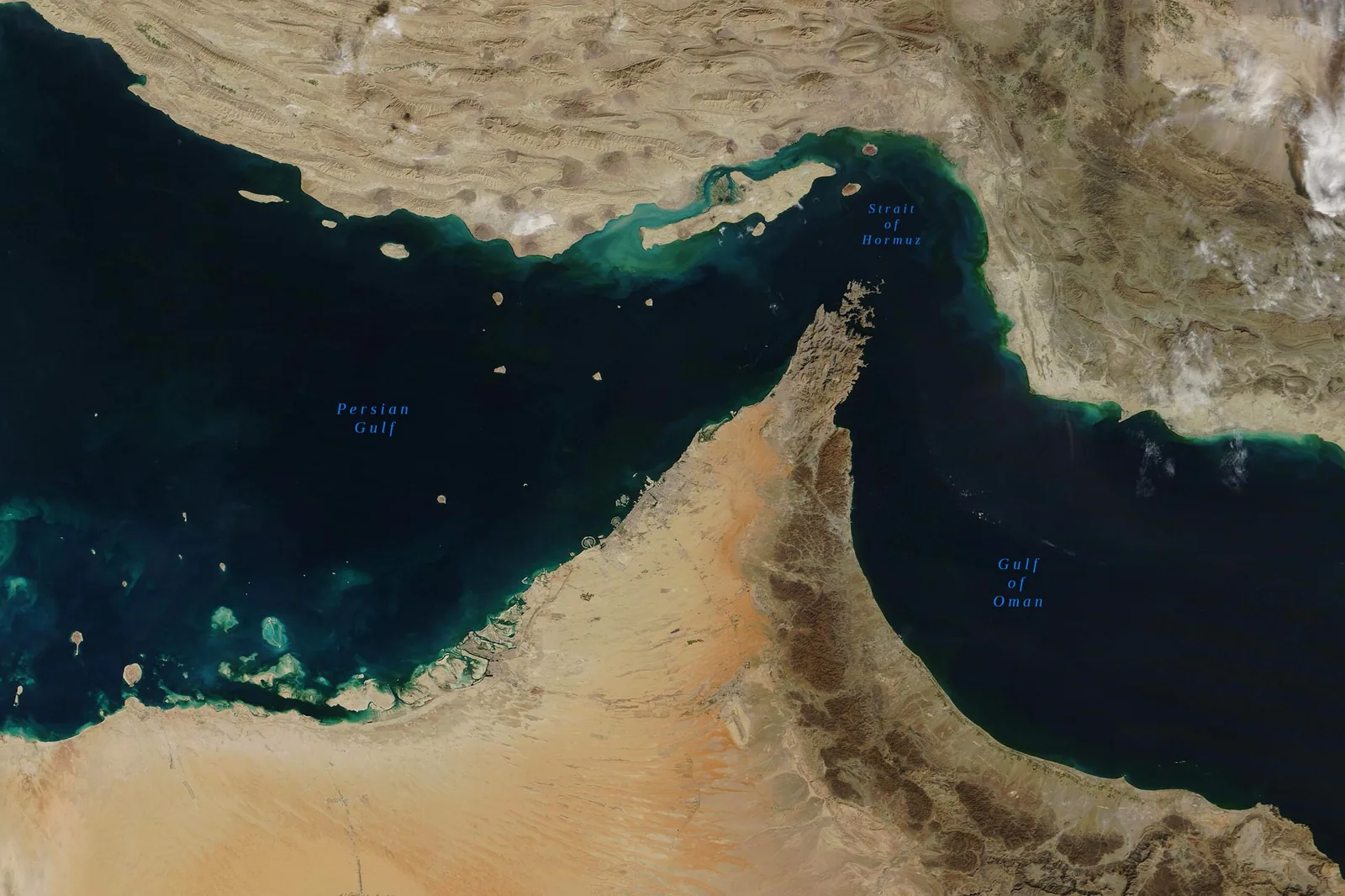




The geopolitical tension between Iran, Israel, and the United States has entered a complex phase where the definition of “military action” is the deciding factor for regional stability. To understand where this is headed, we have to look at the specific criteria: the conflict only “continues” if there is direct, state-on-state military force on sovereign soil or diplomatic facilities. Actions by proxy groups like Hezbollah or the Houthis, which have been the primary drivers of friction recently, do not count toward resetting the clock on a potential ceasefire period.
Read more What will Trump say during Tech Signing event on March 4?
Recent Developments and Strategic Lulls
Here’s the thing: the last few weeks have seen a significant shift in Iranian priorities. Following the death of President Ebrahim Raisi in a helicopter crash on May 19, 2024, Tehran has pivoted almost entirely toward internal stability. The government has officially scheduled a new presidential election for June 28, 2024. During this 50-day transition period, the Islamic Republic historically avoids high-risk external escalations that could invite direct retaliation on its own soil, as the regime’s primary focus is ensuring a smooth succession.
Furthermore, diplomatic backchannels are surprisingly active. In mid-May 2024, reports surfaced of indirect talks between U.S. and Iranian officials in Oman. These discussions were specifically aimed at preventing a regional blowup and managing the nuclear program. When both sides are sitting at the table—even indirectly—the likelihood of a direct, acknowledged strike on sovereign territory drops significantly. Look closer at the current military posture: Israel is currently heavily committed to operations in Rafah and managing the escalating skirmishes on its northern border with Lebanon. While the rhetoric remains sharp, there has been a notable absence of direct, claimed strikes between Israel and Iran since the exchange of fire in mid-April.
The Case for June 30
The June 30 milestone stands out as the most logically grounded outcome. Why? Because it encompasses the entire Iranian election cycle. For a 14-day period of “no military action” to be confirmed, the parties only need to avoid direct, claimed hits on each other’s territory. Given that Iran is currently in a state of national mourning and political reorganization, the appetite for a direct confrontation with Israel or the U.S. is at a seasonal low. The “no proxy” rule is the clincher here; while regional violence may continue through third parties, the specific state-on-state violence required to prevent a “Yes” resolution is currently absent from the strategic calculus of all three nations.
Read more Bitcoin Up or Down on March 4?
Comparing the Alternatives
Earlier dates, such as those in March or mid-May, carry significantly more risk or have already passed the window where a 14-day quiet period could be easily verified. For instance, the March 31 window was far more volatile as it followed closely on the heels of direct escalations in the spring. June 30 provides a necessary buffer, allowing the current “strategic patience” observed by Tehran to fulfill the 14-day requirement multiple times over, even if a minor flare-up were to occur in the interim.
Market Context
Current data reflects this trend, with the June 30 timeline holding a 66.5% probability and the highest level of liquidity among the available options. The mid-May window follows at 57.5%, while earlier March dates show minimal activity, often hovering near 2-5%. This distribution suggests a growing consensus that the longer the timeframe, the more likely the 14-day “quiet” condition will be met, especially given the current internal focus of the Iranian leadership.
Read more Will Israel’s Ben Gurion Airport reopen by…?
Sources :