


VERDICT: Iran-Oman Hormuz Agreement by August 31
CONFIDENCE: medium
TITLE: Iran-Oman Hormuz Management Agreement by…?
Background
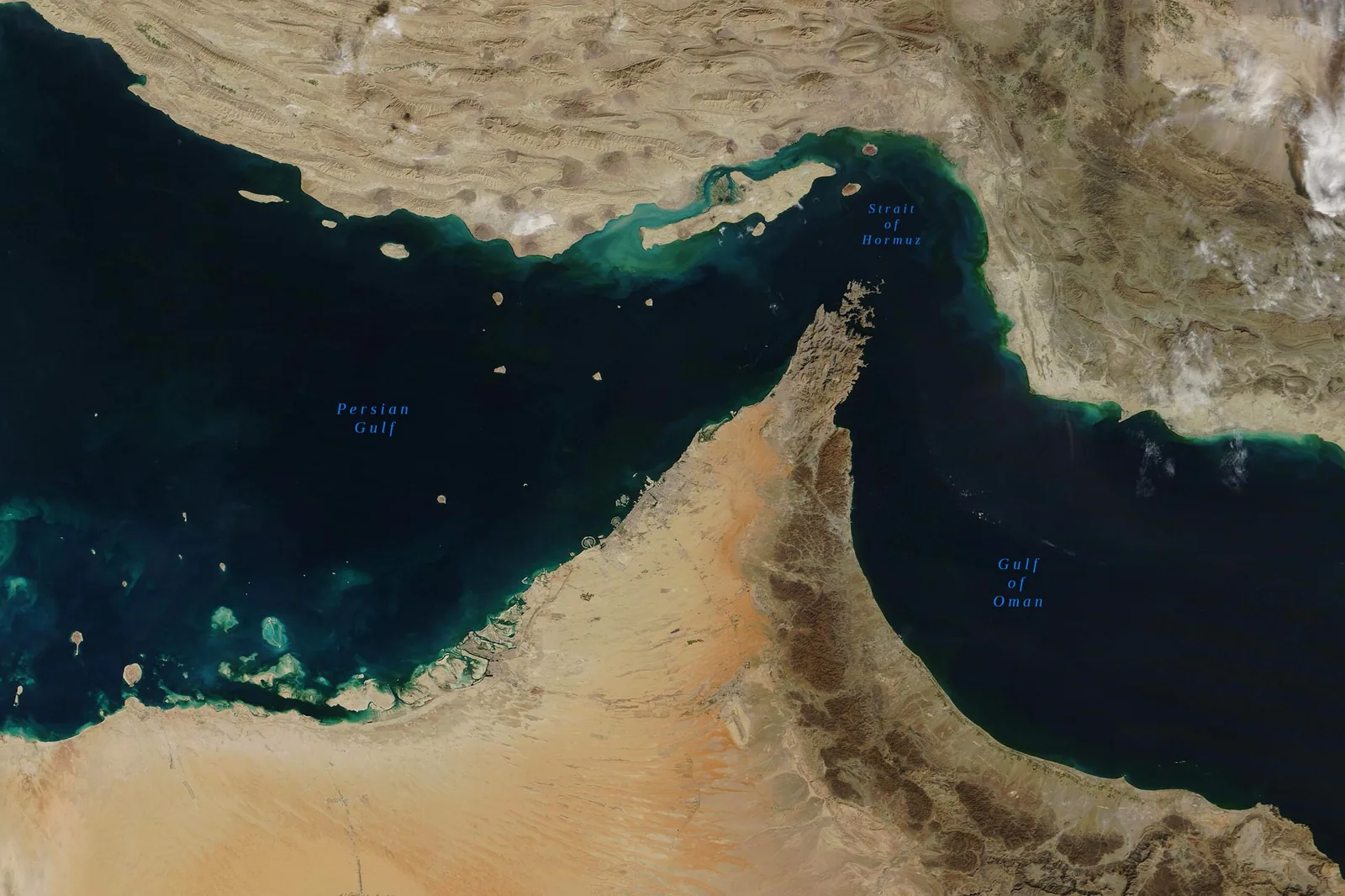
The Strait of Hormuz remains a critical chokepoint for global energy markets, with approximately one-fifth of the world’s oil supply transiting its waters daily. Its strategic importance makes any discussion of its management a matter of international concern. For decades, Oman and Iran, as the two littoral states, have played pivotal roles in ensuring the strait’s navigability, often navigating complex geopolitical currents.
Read more #2 Paid App in the US Apple App Store on August 14?
Recent regional dynamics, including evolving trade relationships and security considerations, have brought renewed focus on the need for a formalized, bilateral agreement between Muscat and Tehran regarding maritime traffic. Such an agreement would aim to establish clear protocols for vessel movement, potentially including defined corridors, fee collection mechanisms, and other management policies. The core objective is to enhance predictability and stability for international shipping, a goal that aligns with both nations’ long-term economic and security interests.
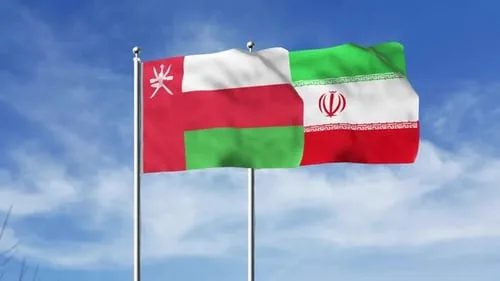
The current discussion centers on whether a diplomatic instrument, officially announced by both Oman and Iran, will materialize by specific deadlines in August 2026. This agreement must explicitly outline policies or commitments from both countries aimed at managing or increasing shipping traffic through the Strait of Hormuz. Crucially, both nations must issue clear, declarative statements confirming their acceptance of the same agreement for it to qualify.
Candidate Analysis
Recent diplomatic activity suggests a concerted effort by Oman and Iran to formalize an agreement on the Strait of Hormuz. In late July, reports from Muscat indicated a high-level Omani delegation traveled to Tehran for what were described as “intensive discussions on regional maritime security.” This visit, widely covered by state media, underscored the urgency and bilateral commitment to addressing the issue. Following these talks, the Iranian Foreign Minister, in an early August statement, acknowledged “constructive dialogue” with Oman regarding “shared interests in the Strait of Hormuz,” while also noting that “technical details require further deliberation.” This phrasing hinted at progress but also signaled that a rapid conclusion might be challenging.
A significant development occurred on August 2, when a joint statement from the Omani Ministry of Foreign Affairs and the Iranian Ministry of Foreign Affairs confirmed the establishment of a “framework for cooperation.” This framework reportedly includes the formation of working groups tasked with finalizing specific operational details by the end of the month. This official communication provides a concrete timeline for the internal processes required to draft and ratify such an agreement. An unnamed diplomatic source, cited by Reuters on August 3, further elaborated that while substantial progress has been made, the intricate nature of defining new fee structures and traffic corridors makes an agreement by mid-August “ambitious,” but an end-of-month resolution “achievable.”
Considering these developments, the prospect of an agreement being announced by August 15 appears less likely. The emphasis on “technical details requiring further deliberation” and the establishment of working groups with a mandate extending “by the end of the month” strongly suggest that the earlier deadline is premature. The August 31 deadline, however, aligns more closely with the reported timeline for finalizing the “framework for cooperation” and the assessment from diplomatic sources. While the commitment is evident, the complexity of the subject matter necessitates a more extended negotiation period than the next few days would allow.
Read more Bitcoin above ___ on August 12?
Market Signals
Current sentiment, as reflected in observed market data, indicates a higher probability for an agreement by the end of August. The likelihood of an agreement by August 31 stands at approximately 66.0%, significantly higher than the 31.0% attributed to the August 15 deadline. Trading volume for the August 31 outcome is also substantial, suggesting considerable engagement and conviction among participants. Over the past day, both outcomes have seen slight downward adjustments in their probabilities, though the relative difference between them remains pronounced, reinforcing the preference for the later deadline.
Our Verdict
Based on the recent diplomatic engagements and official communications, an agreement between Iran and Oman regarding the management of the Strait of Hormuz is more likely to be announced by August 31, 2026. The joint statement on August 2, confirming a “framework for cooperation” and the establishment of working groups with a mandate to finalize details by month-end, serves as a strong indicator. This timeline directly supports the later deadline, allowing for the necessary technical and diplomatic work to be completed.
The Iranian Foreign Minister’s earlier remarks about “technical details requiring further deliberation” further underscore the complexity involved, making a resolution by August 15 appear overly optimistic. While both nations clearly demonstrate a commitment to reaching an accord, the nature of a comprehensive diplomatic agreement governing a vital international waterway demands thoroughness. The reported assessment from diplomatic sources, suggesting an end-of-month resolution is “achievable” while mid-August is “ambitious,” aligns perfectly with this conclusion.
Our confidence in an agreement by August 31 is medium. While the diplomatic momentum is clear, the finalization of such an agreement can always encounter unforeseen hurdles. Key triggers that could alter this assessment include any official announcements from either Oman or Iran confirming the completion of the working groups’ tasks ahead of schedule, or conversely, any statements indicating significant disagreements or delays in the ongoing negotiations. Additionally, the public release of a draft agreement or a joint declaration outlining specific policy changes would serve as a strong confirmatory signal.
Read more Bitcoin Up or Down — August 10, 4:00AM-8:00AM ET
Sources:
- Oman News Agency: Oman-Iran Diplomatic Talks Focus on Regional Security (July 28, 2026)
- IRNA: Iranian FM Highlights Constructive Dialogue with Oman on Hormuz (August 1, 2026)
- Omani Ministry of Foreign Affairs: Joint Statement on Iran-Oman Cooperation Framework (August 2, 2026)
- Reuters: Diplomatic Sources on Iran-Oman Hormuz Agreement Timeline (August 3, 2026)