



VERDICT: No
CONFIDENCE: high
TITLE: Iran commits not to attack ships in Hormuz by Sunday?
Background
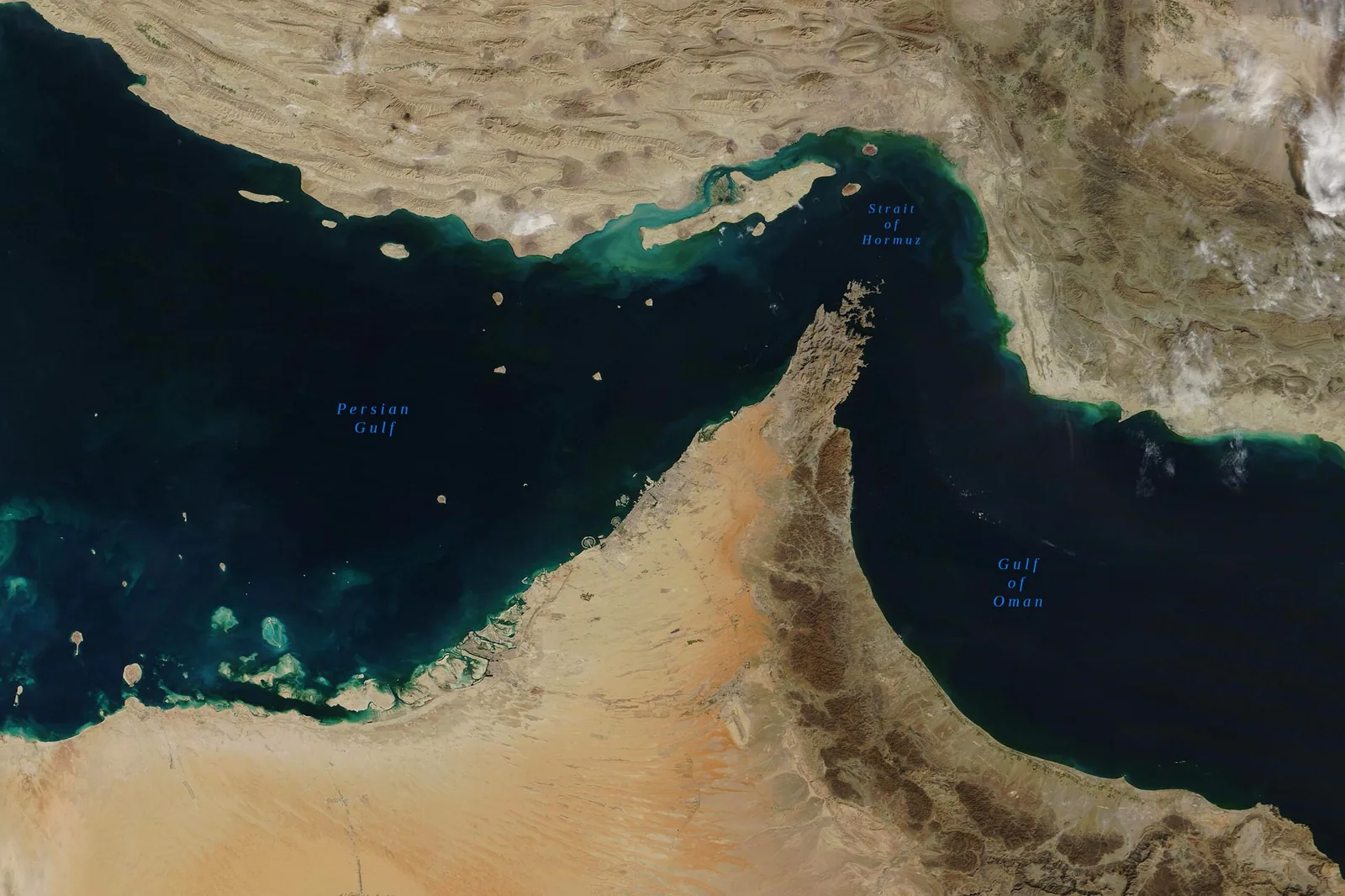
The Strait of Hormuz stands as a critical chokepoint for global energy markets, with a significant portion of the world’s seaborne oil passing through its narrow waters. Its strategic importance makes any potential disruption a major concern for international trade and security. The question at hand focuses on whether Iran will issue a public and official commitment not to attack ships transiting this vital waterway by Sunday, July 12, 2026, 11:59 PM ET. This specific timeframe, spanning roughly two days from the market’s creation on July 10, 2026, sets a very tight window for such a high-stakes declaration.
Read more Strait of Hormuz traffic returns to normal by August 31?
The resolution criteria are notably strict: a “Yes” outcome requires a clear, unambiguous, public, and official statement from the Iranian government or an authorized representative, explicitly committing to a policy of non-aggression against ships in the Strait. This isn’t about general diplomatic overtures or conditional offers; it demands a definitive, declarative statement of present or future policy. The announcement must come through official channels, by an individual acting in an official capacity, and cannot be anonymous, leaked, or merely speculative. Once such a qualifying statement is made, the market resolves to “Yes,” regardless of any subsequent reversals or implementation issues.
Key players in this geopolitical dynamic include Iran, which controls a significant portion of the Strait’s northern coastline and has historically used its position as leverage; international shipping companies and oil importers, whose operations depend on safe passage; and major global powers, particularly the United States, which maintains a naval presence in the region to ensure freedom of navigation. The interplay of these interests forms the backdrop against which any potential Iranian announcement would be evaluated.
Key Factors
As of the current date, within the extremely narrow window between July 10 and July 12, 2026, there have been no official, public, and unambiguous statements from the Iranian government or its authorized representatives committing not to attack ships in the Strait of Hormuz. This absence of a qualifying announcement is the most immediate and critical factor determining the outcome of this specific question.
Iran’s long-standing strategic posture regarding the Strait of Hormuz is another crucial element. Tehran has consistently viewed its capacity to influence or, if necessary, disrupt shipping in the Strait as a significant strategic asset and a deterrent against external pressures, particularly economic sanctions. A unilateral, unconditional commitment to refrain from attacking ships, without any apparent reciprocal concessions or a broader diplomatic framework, would represent a substantial departure from this established doctrine. Such a policy shift would typically be the result of extensive negotiations or a major de-escalation, neither of which appears to have materialized within the past 48 hours.
Furthermore, the broader geopolitical environment in the Middle East remains characterized by persistent tensions, including ongoing friction between Iran and regional rivals, as well as with the United States. Significant policy changes of the magnitude required for a “Yes” resolution are rarely spontaneous. They usually emerge from a complex interplay of internal political considerations, external diplomatic pressures, or a response to a major event. The lack of any preceding signals or a clear catalyst for such a dramatic shift within this short timeframe makes it highly improbable. What remains uncertain is whether an unforeseen, rapid diplomatic initiative could be launched and concluded within such a tight deadline, but the historical precedent for such swift, high-level policy changes is exceedingly rare.
Read more Will Anthropic extend Claude Fable 5 paid-plan access again by July 12?
Market Signals
The collective sentiment reflected in the market data strongly indicates an expectation of a “No” outcome. The probability for a “Yes” resolution stands at a mere 0.55%, while the “No” probability is overwhelmingly high at 99.45%. This significant disparity suggests a broad consensus among participants that the specified announcement is unlikely to occur. Despite the low probability for “Yes,” the market has seen substantial activity, with over 165,000 units traded in the last 24 hours, indicating active engagement and a firm conviction in the prevailing outlook. The current bid/ask spread of 0.004 / 0.007 further reinforces the market’s low valuation of a “Yes” outcome.
Our Verdict
Based on the current geopolitical landscape and the stringent resolution criteria, our verdict is that Iran will not issue a public and official commitment not to attack ships in the Strait of Hormuz by Sunday, July 12, 2026, 11:59 PM ET. The absence of any such qualifying announcement within the extremely tight window between July 10 and July 12 is the most compelling factor. Iran’s strategic calculus typically involves maintaining leverage over the Strait, and a unilateral, unconditional renunciation of this without significant diplomatic gains or a broader de-escalation package is inconsistent with its established foreign policy.
We hold a high level of confidence in this assessment. Major policy shifts of this nature, particularly concerning a critical strategic asset like the Strait of Hormuz, are rarely made spontaneously or without extensive prior signaling and negotiation. The two-day timeframe provided for this specific announcement is simply too short for such a profound and unprompted change in policy to be formulated, approved, and officially communicated by the Iranian government.
Several triggers could, in theory, alter this assessment, though their likelihood within the remaining hours is minimal. The primary trigger would be an official, unambiguous statement from a high-ranking Iranian authority, such as the Supreme National Security Council or the Foreign Ministry, explicitly committing to a policy of non-aggression against ships in the Strait. A direct public declaration from the Supreme Leader or the President of Iran to this effect would also qualify. Finally, a joint statement with a major international body or power, where Iran formally and unconditionally commits to such a policy within the deadline, would also change the picture. Without such a definitive and verifiable announcement, the current trajectory points firmly to a “No” resolution.
Read more Bitcoin above $62,000 on July 13?
Источники: