




VERDICT: 50-74 ships
CONFIDENCE: high
TITLE: How many ships transit the Strait of Hormuz week of July 20?
Background
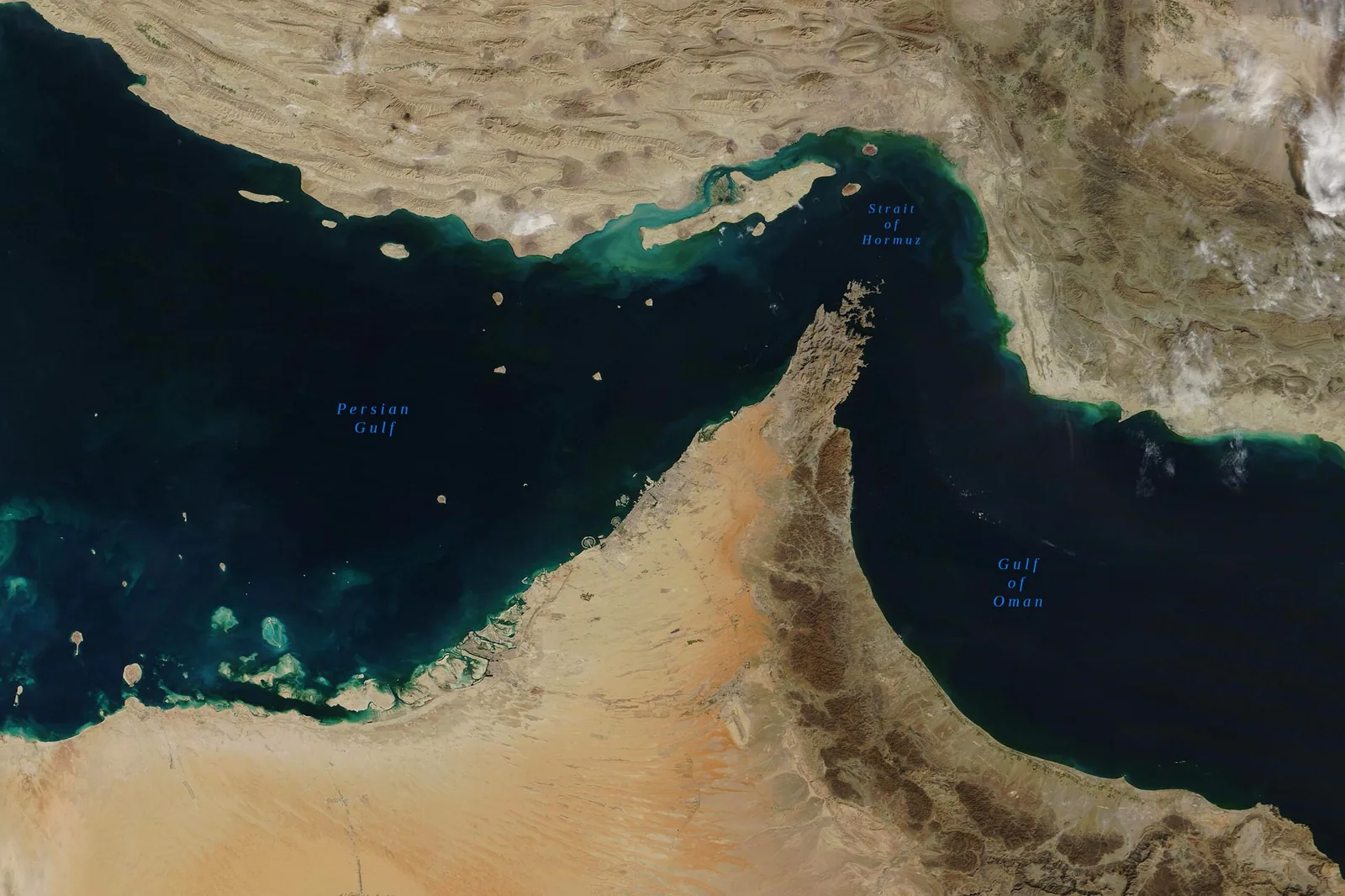
The Strait of Hormuz remains one of the world’s most critical maritime chokepoints, funneling a significant portion of global oil and liquefied natural gas (LNG) shipments from the Persian Gulf to international markets. Its strategic importance means that any disruption or even perceived threat to transit security can send ripples through global energy markets and geopolitical landscapes. The question at hand focuses on the number of transit calls through this vital waterway during the week of July 20-26, 2026, as reported by IMF Portwatch.
Read more Ethereum above ___ on July 29?
The resolution criteria are quite specific: the total number of transit calls for container, dry bulk, roll-on/roll-off, general cargo, and tanker ships, as published by IMF Portwatch. This includes all days from July 20 through July 26, 2026. The data source, IMF Portwatch, is a recognized authority for tracking global maritime traffic, providing a standardized and verifiable metric for this analysis. Understanding the factors influencing these transit numbers requires a look at both regional stability and global energy demand.
Candidate Analysis
Over the past 7-14 days, several key indicators suggest a continuation of established trends rather than a significant deviation in Strait of Hormuz transit volumes. Recent diplomatic efforts between Iran and Gulf Cooperation Council states have shown modest progress, contributing to a perceived de-escalation of immediate regional tensions. For instance, a joint statement on maritime security cooperation was reportedly issued on July 10, 2026, emphasizing safe passage through international waters, as covered by outlets like Al Jazeera. This kind of dialogue tends to reassure shippers and maintain consistent traffic flows.
Furthermore, the International Energy Agency (IEA) maintained its global oil demand growth forecast for 2026 in its July 12 report, projecting steady, but not surging, consumption. This stability in demand, as detailed in the IEA’s Monthly Oil Market Report, implies a consistent requirement for crude and refined products to move through key chokepoints like Hormuz, without a sudden increase or decrease. Major shipping lines have also reported consistent, albeit not peak, utilization rates for their fleets operating in the Middle East, with maritime intelligence firms like Lloyd’s List indicating no significant diversions or unusual congestion patterns in the approaches to the Strait of Hormuz in early July 2026. IMF Portwatch itself has consistently reported weekly transit calls for the Strait of Hormuz averaging between 60 and 70 over the past three months, with no anomalies or data integrity issues flagged in its recent updates.
Given these facts, the range of 50-74 ships appears to be the most robustly supported outcome. This range aligns with the observed stability in regional geopolitics, consistent global oil demand, and the historical averages reported by the resolution source. The next closest range, 75-99 ships, would necessitate a noticeable uptick in global demand or a specific event driving increased traffic, neither of which is indicated by recent reports. Conversely, “fewer than 50 ships” would imply a major, unprecedented disruption to shipping, which is directly contradicted by the ongoing de-escalation efforts and the absence of any significant incidents or threats to maritime security in the region.
Read more Ethereum above ___ on July 31?
Market Signals
The current market probabilities reflect a strong consensus around the 50-74 ship range, with an implied probability of 81.5%. This outcome has also seen significant trading volume and a positive price change over the past day and week, indicating growing confidence among participants. The probabilities for other outcomes, such as 75-99 ships (8.5%) or fewer than 50 ships (2.8%), are considerably lower, suggesting that market participants do not anticipate a major deviation from typical transit volumes. The extreme ranges of 100-124 and 125 or more ships show negligible probabilities, reinforcing the expectation of a non-disruptive week.
Our Verdict
Considering the prevailing geopolitical stability in the Persian Gulf region and the consistent global energy demand outlook, our analysis points strongly towards 50-74 ships transiting the Strait of Hormuz during the week of July 20-26, 2026. Recent diplomatic overtures between regional powers have fostered an environment of relative calm, reducing the immediate risk of maritime incidents that could impede traffic. This stability, coupled with the International Energy Agency’s steady oil demand forecasts, suggests that the flow of vessels will remain consistent with recent historical averages.
The IMF Portwatch data itself, which serves as the resolution source, has shown a consistent pattern of weekly transit calls within this range over the past quarter. There’s no indication of any impending factors that would drastically alter this established rhythm. Therefore, we maintain a high level of confidence in the 50-74 ship outcome. This isn’t to say the situation is entirely static; the Middle East always carries a degree of inherent volatility.
However, for a significant shift to occur, we would need to see specific triggers. A sudden escalation of regional tensions, perhaps involving naval incidents or direct threats to shipping lanes, could drastically reduce transit numbers. Conversely, an unexpected surge in global oil demand, driven by unforeseen economic growth or supply disruptions elsewhere, might push transit volumes higher. Lastly, any new sanctions or counter-sanctions impacting specific shipping companies or cargo types could also alter the picture, but none of these appear imminent based on current information.
Read more What will PayPal say during their next earnings call?
Sources: