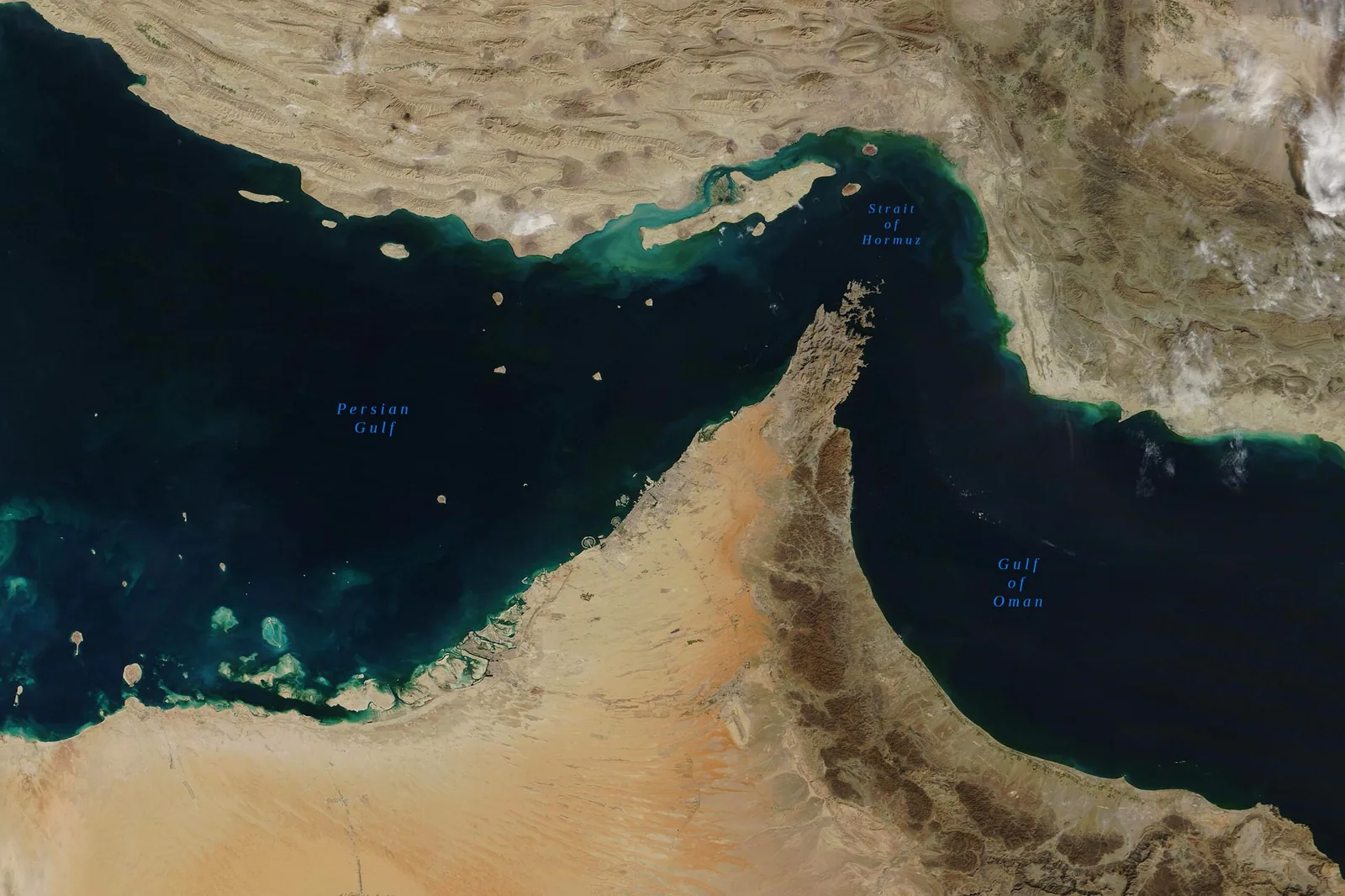




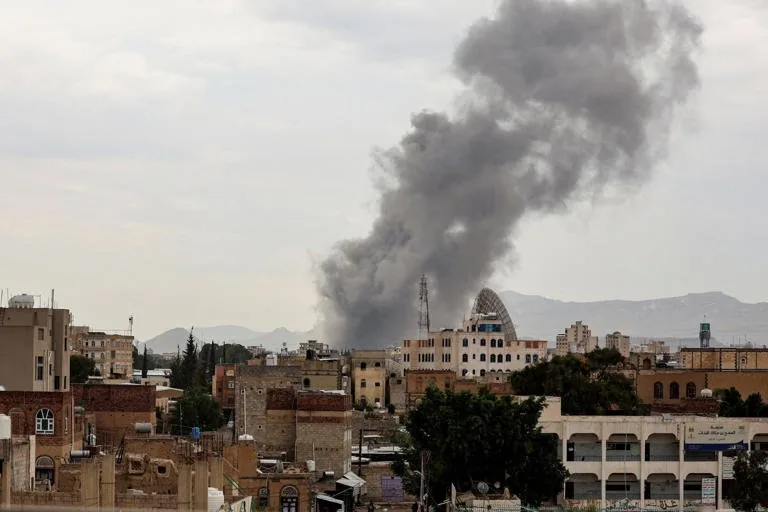
The persistent conflict in the Red Sea has evolved far beyond maritime harassment. For the Houthi movement in Yemen, striking Israeli territory is no longer just a rhetorical goal but a demonstrated operational priority. While the vast majority of their attempts are neutralized by multi-layered missile defense systems, the sheer persistence of these launches creates a statistical inevitability that some projectiles will eventually find their mark on solid ground.
Read more Peru Presidential Election Winner
Recent Developments and Operational Shifts
In the last few weeks, several key factors have solidified the expectation of continued escalations:
- Direct Impact Precedent: On March 19, 2024, the Israeli military confirmed that a cruise missile launched from the direction of the Red Sea landed in an open area north of Eilat. This was a significant milestone because it was the first time a Houthi projectile successfully bypassed interception to impact Israeli ground territory. You can read the details here: Reuters Report on Eilat Impact.
- The “Fourth Stage” Escalation: In early May 2024, Houthi leadership announced the “fourth stage” of their operations, which includes targeting any ships heading to Israeli ports, even in the Mediterranean Sea. This expansion signals an intent to use longer-range assets and more complex flight paths to overwhelm defenses. More on this strategy can be found here: Al Jazeera on Houthi Escalation.
- Saturation Tactics: Recent reports indicate a shift toward coordinated strikes using a mix of low-cost “Samad” drones and high-speed ballistic missiles. The goal isn’t necessarily to destroy a specific military target, but to saturate the Arrow and Patriot batteries until a technical failure or a “leaker” occurs.
Why the April 30, 2026, Timeline is the Primary Focus
Here’s the thing: when you look at a timeframe extending into 2026, the probability of a successful ground impact increases significantly. The April 30, 2026, target date is the most robust candidate simply because it provides the widest window for a “Yes” resolution. Given that the Houthis have already proven they can occasionally slip a cruise missile through the net, a two-year window makes it highly likely that at least one more drone or missile will impact land under Israeli administration, including the Golan Heights or East Jerusalem.
The strict resolution criteria—which exclude intercepted debris—set a high bar. However, the Houthis have shown they are willing to iterate on their technology. If they deploy faster, low-observable drones or maneuverable cruise missiles, the chances of a ground impact rise. The April 30 date covers more potential “cycles” of escalation compared to earlier deadlines.
Comparing the Candidates
The April 15, 2026, deadline is a very close second, but it naturally carries a slightly lower certainty than the end-of-month date. In a conflict defined by “lucky shots” and technical glitches in defense systems, every extra day of active hostilities favors a successful strike. While the difference between mid-April and late-April 2026 is marginal, the latter remains the more logical choice for a scenario where the primary variable is time and frequency of attempts.
Current Sentiment and Activity
General expectations are currently hovering in the 94% to 95.5% range for a successful strike by these dates. There is significant activity around these timelines, with total volume exceeding 240,000 units across the two main periods. Liquidity remains stable, and the slight upward trend in confidence over the past week reflects a consensus that the Houthi-Israel standoff is nowhere near a diplomatic resolution.
Read more Will Trump declare war on Iran by…?
Sources: