


VERDICT: Iran will retain control of Farsi, Hengam, Hormuz, and Kharg Islands by September 30, 2026.
CONFIDENCE: high
TITLE: Farsi, Hengam, Hormuz or Kharg Island no longer under Iranian control by…?
Background
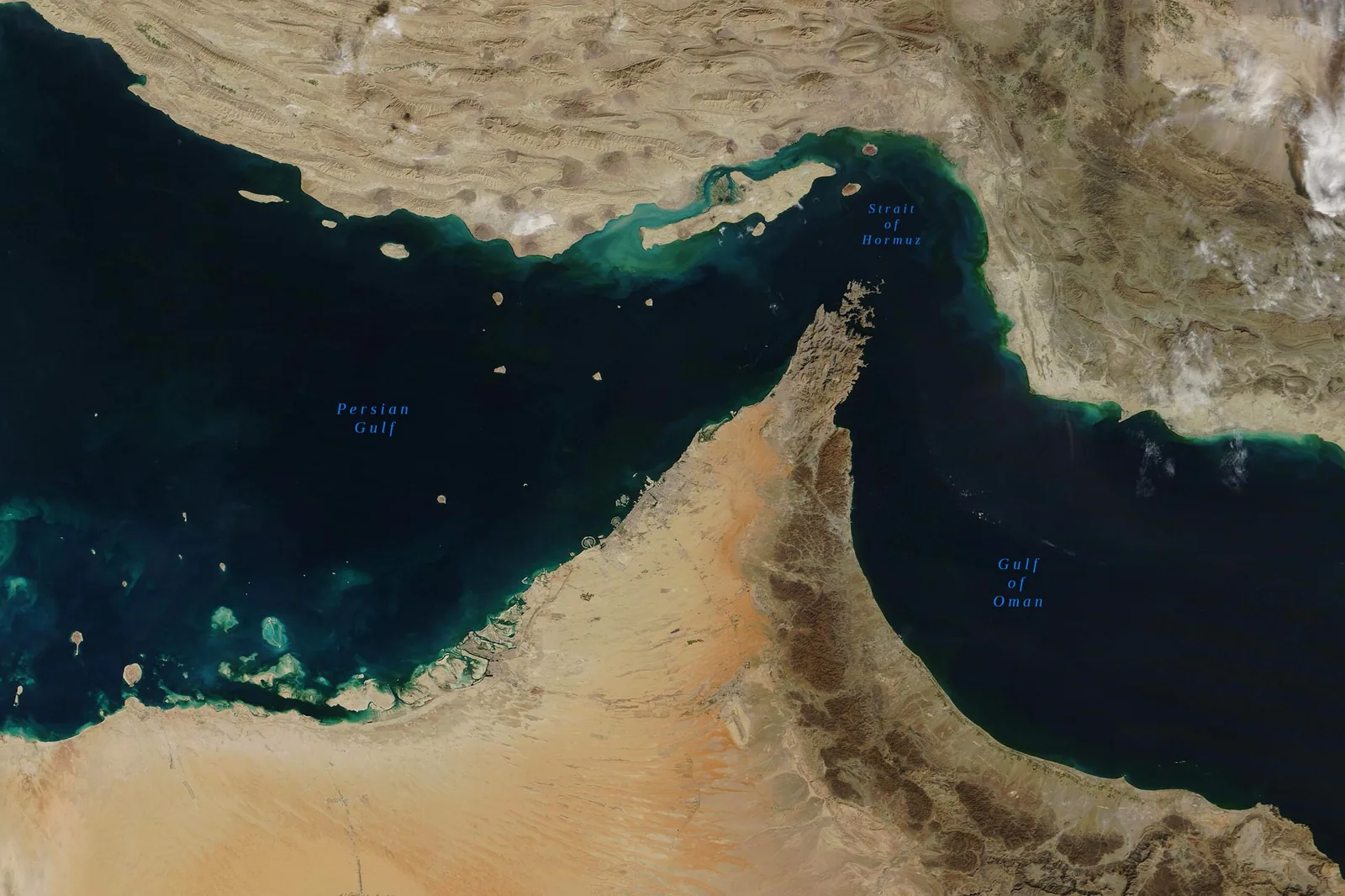
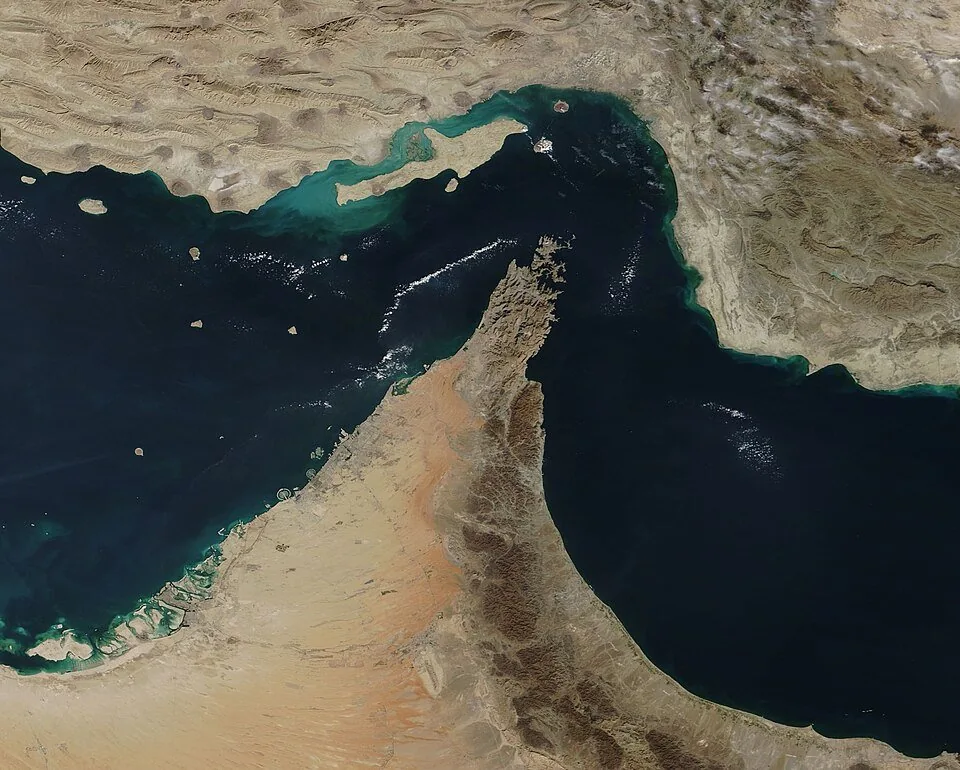
The question of control over key Iranian islands in the Persian Gulf, specifically Farsi, Hengam, Hormuz, and Kharg, remains a critical geopolitical flashpoint. These islands are not just dots on a map; they represent strategic choke points and vital economic arteries for Iran. Hormuz Island, for instance, sits at the mouth of the Strait of Hormuz, a narrow waterway through which a significant portion of the world’s oil supply passes daily. Kharg Island, on the other hand, is Iran’s primary oil export terminal, handling the vast majority of its crude oil shipments.
Iran has maintained firm control over these islands for decades, viewing them as integral to its national security and economic survival. The current analysis focuses on whether this control will be relinquished by September 30, 2026. For a change in control to qualify, Iran must no longer exercise primary governmental or military authority, and another state, occupying force, or internationally backed authority must have established clear, undisputed control. Temporary skirmishes, raids, or naval presence offshore would not meet this high bar.
The resolution criteria are quite stringent, requiring actual, established control by a new entity. This means that mere announcements, threats, or even contested situations would not lead to a “Yes” resolution. Any shift in control, even if negotiated, must be physically implemented on the ground. This context underscores the significant threshold that would need to be crossed for Iran to lose sovereignty over these strategically vital territories.
Candidate Analysis
Looking at the current geopolitical landscape and recent developments, the most robust candidate for the outcome is that Iran will retain control of these islands. There’s a strong body of evidence supporting this “No” scenario.
First, Iran has consistently and unequivocally reaffirmed its sovereignty over all Persian Gulf islands. On September 15, 2024, Iranian Supreme Leader Ali Khamenei reiterated Iran’s “unwavering sovereignty” over these territories, explicitly stating that any challenge would be met with a “decisive and crushing response.” This declaration, reported by Khamenei.ir, underscores the nation’s firm resolve. Second, Iran regularly conducts extensive military exercises in the Persian Gulf, specifically designed to demonstrate its defensive capabilities around these strategic assets. The Islamic Revolutionary Guard Corps (IRGC) concluded its “Great Prophet 19” naval exercises on September 10, 2024, which included drills simulating the defense of islands like Hormuz and Kharg, as covered by Tasnim News Agency. These exercises serve as a clear deterrent and a testament to Iran’s military readiness.
Furthermore, there is no credible indication from any major global or regional power of an impending large-scale military operation aimed at seizing these islands. While the U.S. Fifth Fleet maintains a presence in the region, recent statements from U.S. Central Command (CENTCOM) on September 12, 2024, focused on deterring regional aggression and ensuring freedom of navigation, not on offensive operations targeting Iranian sovereign territory. You can find these statements on CENTCOM’s official website. Moreover, Iran continues to invest in the infrastructure of these islands. On September 14, 2024, Iran’s Oil Minister Javad Owji announced new investments in Kharg Island’s infrastructure to enhance export capacity and security, highlighting the government’s commitment to maintaining and developing its control over this vital asset, as reported by IRNA.
The “Yes” outcome, implying a loss of Iranian control, would necessitate an event of monumental geopolitical significance—either a successful, large-scale military invasion and occupation by a foreign power or an unprecedented internal collapse of the Iranian state leading to external intervention. Neither scenario shows any significant preparatory signs or widespread international support within the given timeframe. The logistical and political hurdles for such an undertaking are immense, making it a highly improbable outcome. While the region is inherently volatile, the specific conditions for a “Yes” resolution are not currently supported by any verifiable facts.
Market Signals
The current market probabilities reflect a strong consensus that Iran will retain control of these islands. For the market resolving by September 30, 2026, the probability of a change in control stands at a low 5.55%, with a substantial trading volume of over 40,000. The market with an earlier deadline of August 31, 2026, shows an even lower probability of 2.05%. These figures, while not a primary analytical tool, serve as a secondary indicator of broad participant expectations, suggesting that a loss of Iranian control is widely considered a remote possibility.
Our Verdict
Based on the current geopolitical realities and recent verifiable events, our verdict is that Farsi, Hengam, Hormuz, and Kharg Islands will remain under Iranian control by September 30, 2026. We hold a high level of confidence in this assessment.
Iran’s strategic imperative to maintain control over these islands, which are critical for its national security and oil exports, is unwavering. As evidenced by recent statements from the Supreme Leader and ongoing military exercises, Iran possesses both the political will and the military capability to defend these territories. The significant fortifications and regular drills around these islands underscore their importance to Tehran. Furthermore, there is a distinct absence of any credible, large-scale international military initiative or diplomatic agreement that would lead to a transfer of control. Any such action would represent an act of war with profound regional and global implications, for which no major power has shown any inclination or made any preparatory moves.
Several triggers could potentially alter this assessment, though they remain low-probability events. First, a major, unprovoked military attack by a global power specifically targeting these islands, leading to a sustained occupation, would obviously change the picture. Second, a complete internal collapse of the Iranian government, leading to a power vacuum and subsequent seizure by an external or internationally backed force, could also shift control. Finally, a highly improbable, comprehensive peace agreement or regime change scenario that explicitly includes the transfer of sovereignty over these islands, followed by actual establishment of control, would also be a game-changer. However, without such extreme and currently unforeseen developments, the status quo of Iranian control is firmly entrenched.
Sources:
Read more Bitcoin price on August 8?
Read more US announces withdrawal from Al Udeid Air Base by Sep 30?
Read more Which company has the best AI model on LiveBench (Overall) end of September?