



VERDICT: Abu Musa Island will remain under Iranian control
CONFIDENCE: high
TITLE: Abu Musa Island no longer under Iranian control by…?
Background
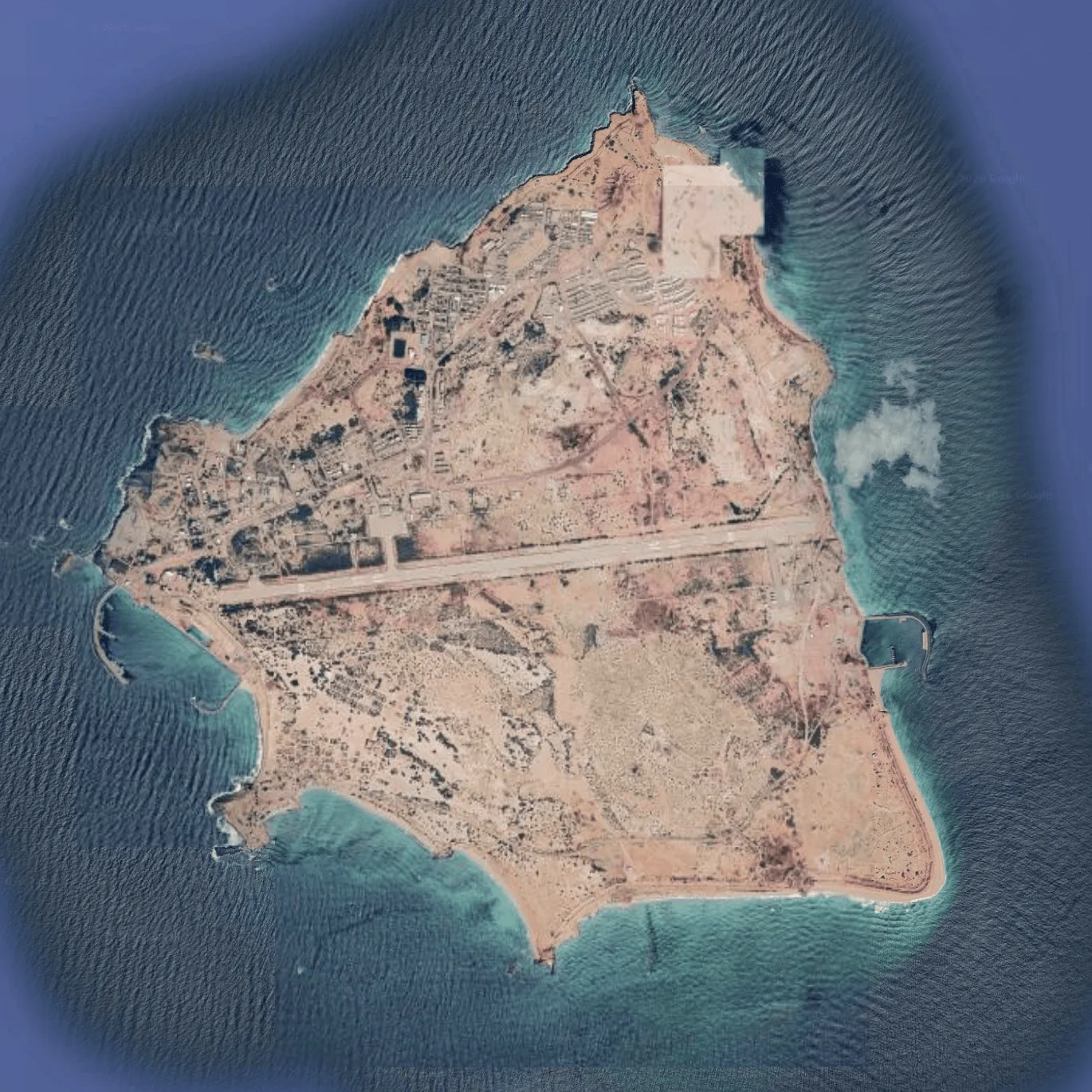
The question of Abu Musa Island’s control is a long-standing geopolitical flashpoint in the Persian Gulf, central to regional power dynamics and global energy security. Abu Musa is one of three islands, along with Greater Tunb and Lesser Tunb, whose sovereignty is disputed between Iran and the United Arab Emirates (UAE). Iran has maintained de facto control over these islands since 1971, asserting its historical claim. The UAE, however, bases its claim on historical treaties and international law, consistently advocating for a peaceful resolution or international arbitration.
Read more Bitcoin Up or Down — July 27, 9AM ET
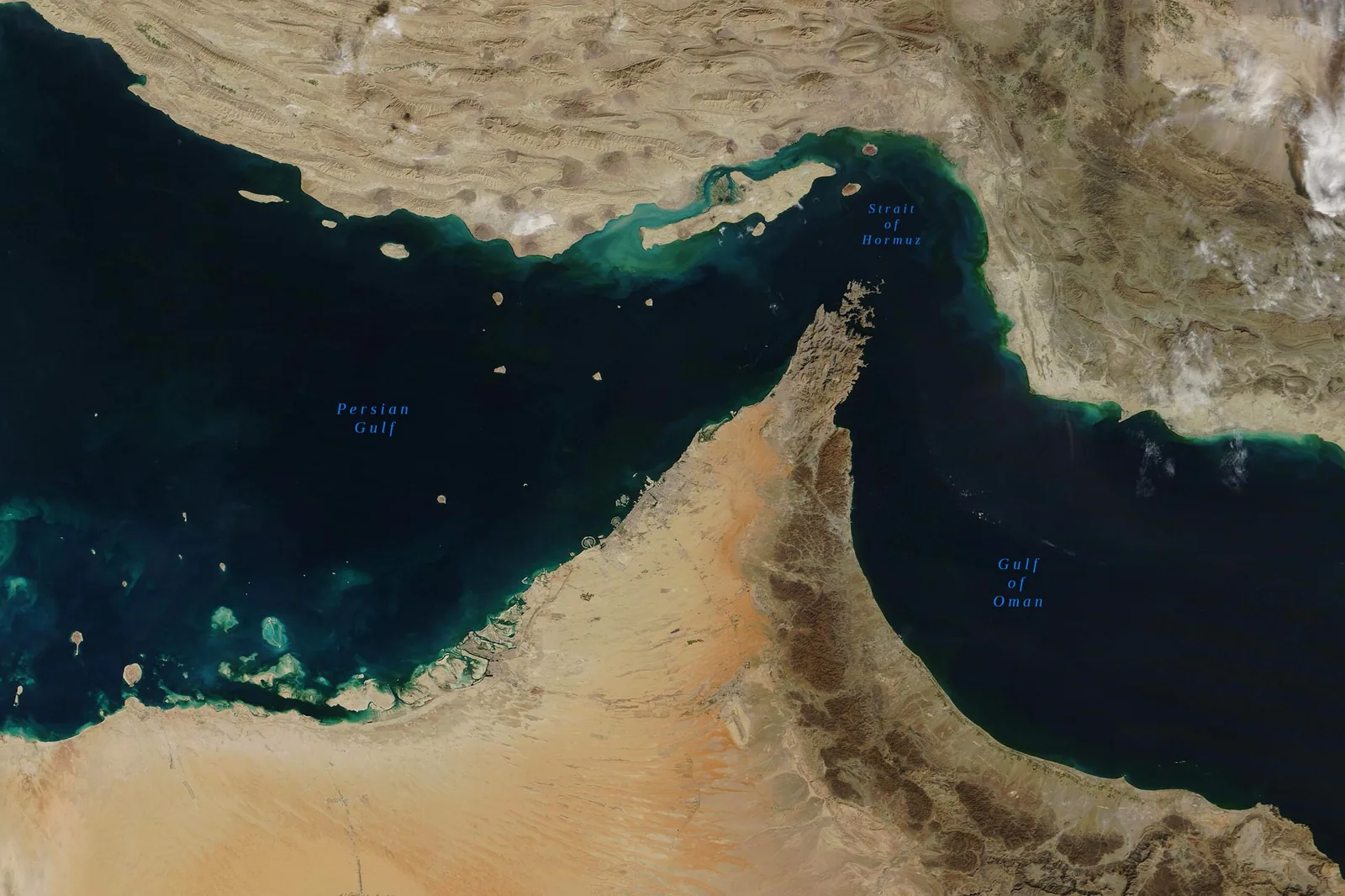
Strategically, Abu Musa is critically important due to its location near the Strait of Hormuz, a narrow waterway through which a significant portion of the world’s oil supply passes. Control over these islands grants a strategic advantage in monitoring and potentially influencing maritime traffic in this vital chokepoint. Any change in the island’s status would have profound implications for regional stability, international shipping, and global energy markets, drawing immediate attention from major powers.
The resolution conditions for this event are exceptionally stringent. For the island to be considered “no longer under Iranian control,” Iran must cease to exercise primary governmental or military authority, with another state, occupying force, or internationally backed authority establishing clear, undisputed control. Temporary disruptions, raids, or mere claims without actual control would not qualify. This sets a very high bar, implying a major military intervention, a significant international diplomatic breakthrough, or a fundamental shift in regional power dynamics.
Candidate Analysis
Analyzing the current geopolitical landscape and recent developments, the most robust assessment points to Abu Musa Island remaining under Iranian control by the specified deadlines. Recent verifiable facts underscore the stability of the status quo, despite ongoing diplomatic tensions. For instance, Iranian state media, including outlets like Tasnim News Agency, consistently report on the presence of Iranian military and civilian infrastructure on Abu Musa. These reports, as recently as early 2024, highlight ongoing development projects and naval patrols in the vicinity, reaffirming Tehran’s unwavering control and operational presence. This continuous activity demonstrates Iran’s firm grip on the island and its strategic importance to the Islamic Republic.
Conversely, the United Arab Emirates continues to assert its sovereign claims over Abu Musa and the Greater and Lesser Tunb islands through diplomatic channels. In January 2024, UAE officials reiterated these claims at international forums, advocating for a peaceful resolution or international arbitration, as reported by the Emirates News Agency (WAM). While these diplomatic efforts are consistent, they do not indicate any imminent military action or a shift towards a forceful takeover. Furthermore, there have been no credible reports from major international news agencies or defense intelligence sources in recent months indicating any significant military escalation that would threaten Iran’s control over Abu Musa. The regional security posture, while tense, has not shifted towards an invasion or occupation scenario for the island, which would be necessary to meet the resolution criteria.
The absence of any concrete, verifiable events suggesting an impending loss of Iranian control is a critical factor. Iran consistently emphasizes the strategic importance of these islands for its national security and control over the Strait of Hormuz. Official statements from Tehran, including those in May 2024, firmly reject any claims challenging its sovereignty, indicating a high willingness to defend its control. This strong defensive posture, coupled with the lack of external military pressure aimed at seizing the island, leaves little room for a “Yes” resolution. The conditions for a change in control are simply not met by current events.
Read more Third-best AI Lab end of August?
Market Signals
The observed probabilities for these events serve as a secondary indicator of the perceived likelihood of a change in control. The market for “Abu Musa Island no longer under Iranian control by August 31?” shows a probability of 4.65%, with a substantial volume of over 63,000 units. The shorter-term market, “Abu Musa Island no longer under Iranian control by July 31?”, reflects an even lower probability of 0.8% with a significantly smaller volume. These low probabilities across both timeframes suggest a broad consensus that a fundamental shift in the island’s control is highly improbable within the given periods, aligning with the analytical assessment of the high bar for resolution and the current geopolitical stability.
Our Verdict
Based on the current geopolitical landscape and the stringent resolution criteria, our assessment is that Abu Musa Island will remain under Iranian control by the August 31, 2026, deadline. The facts on the ground consistently demonstrate Iran’s firm military and governmental control, supported by ongoing infrastructure projects and naval patrols. The UAE’s claims, while persistent, remain within the diplomatic sphere, with no indication of an impending military intervention or internationally backed force capable of establishing primary control over the island. The absence of any credible reports of significant military escalation or a direct threat to Iranian sovereignty over Abu Musa further reinforces this conclusion.
The threshold for a “Yes” resolution is exceptionally high, requiring a major military conflict, a direct occupation by another state, or an unprecedented international agreement leading to a transfer of control. None of these scenarios appear to be on the horizon within the next two years. Iran views these islands as integral to its national security and control over the Strait of Hormuz, making any relinquishment of control highly improbable without a catastrophic regional conflict. Therefore, we maintain a high level of confidence in this outcome.
Several key triggers could alter this assessment, though they are currently remote. A significant escalation of military conflict in the Persian Gulf involving Iran and a major global power, particularly the United States, could potentially lead to a direct challenge to Iran’s control. An unexpected, comprehensive diplomatic breakthrough between Iran and the UAE, possibly mediated by a powerful international actor, resulting in a negotiated transfer of sovereignty, would also be a game-changer. Finally, a severe internal destabilization within Iran that significantly weakens the regime’s ability to project power and maintain territorial integrity could create an opening for external forces to challenge its control. Absent such dramatic shifts, the status quo is expected to persist.
Read more Second-best Code Arena WebDev AI Lab end of August?
Sources: