




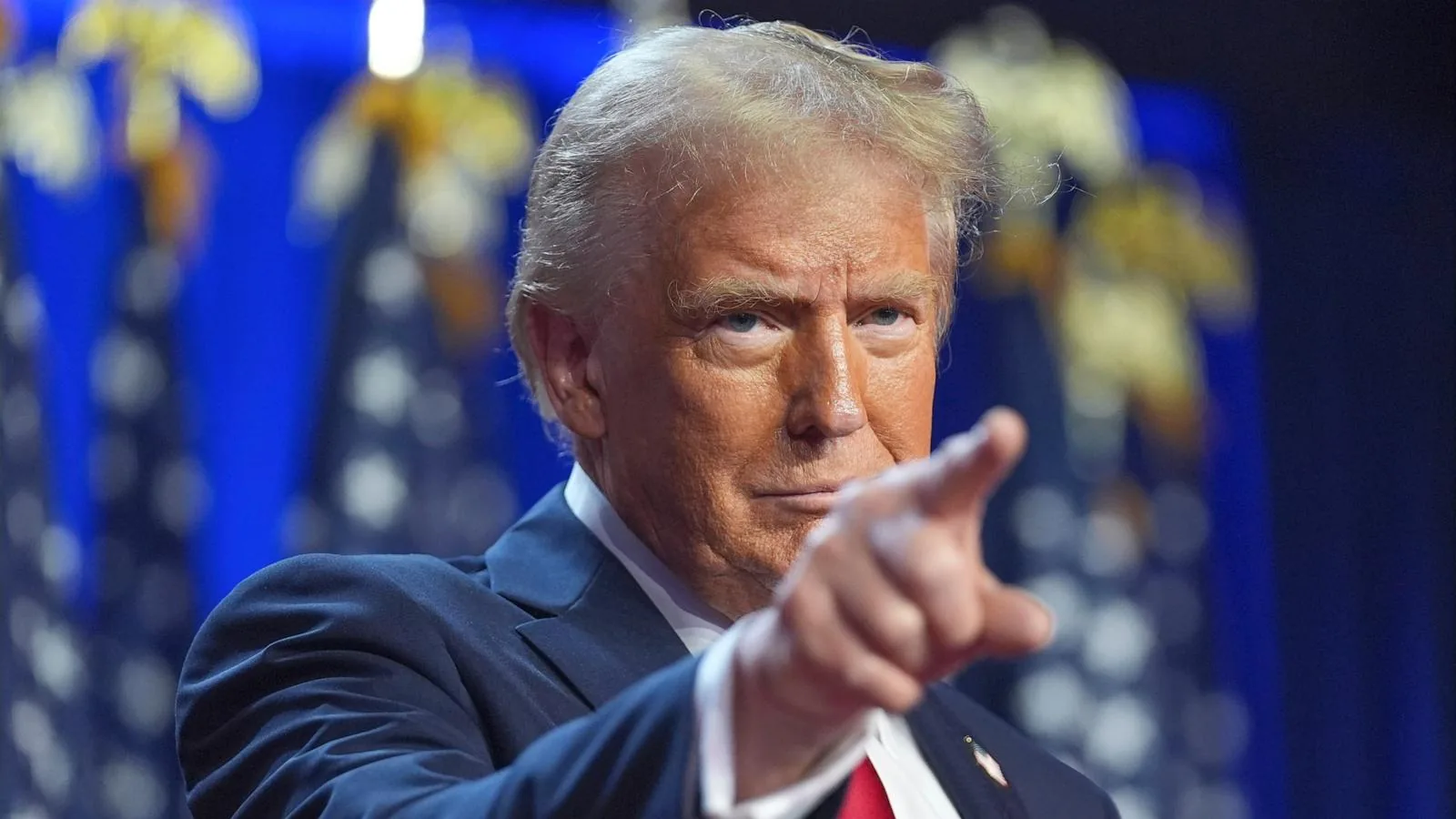
As the final week of February unfolds, the rhetorical focus of the administration has sharpened around a singular, recurring theme: the overhaul of federal spending. With the Department of Government Efficiency (DOGE) moving from conceptual plans to active structural changes, the language used in public briefings has become increasingly standardized. The focus isn’t just on policy, but on the specific terminology used to justify the dismantling of various federal programs.
Read more What will be said during the NYC Apple event?
The Efficiency Narrative Takes Center Stage
Over the last 14 days, several key developments have solidified the expectation that “Waste” will be the most frequently used term in upcoming public addresses. First, the ongoing collaboration between the executive branch and the newly formed efficiency task force has produced a steady stream of “waste reports” highlighting redundant agency spending. During recent televised briefings, the emphasis has shifted from general “budget cuts” to the specific identification of “wasteful” expenditures. This isn’t accidental; it is a deliberate branding effort to frame budget reductions as common-sense housekeeping rather than service cuts.
Second, the administration has recently doubled down on the use of the Impoundment Control Act of 1974. By challenging this act, the goal is to gain the authority to simply not spend money appropriated by Congress that the President deems unnecessary. In every verbal defense of this legal maneuver, the term “waste” serves as the primary justification. It is the linguistic bridge between legal theory and public appeal.
Why “Waste” is the Primary Candidate
The term “Waste” stands out because it is the cornerstone of the current administrative identity. Unlike broader terms like “economy” or “inflation,” which are subject to external market forces, “waste” is a word the administration can control through its own reporting. Here’s the thing: the DOGE initiative is built on the premise of finding “waste, fraud, and abuse.” Since the task force is currently in its most active phase of public reporting, the President is almost certain to use the term when referencing their findings in any recorded speech or press interaction this week.
Look closer at the recent public appearances—whenever the topic of the federal workforce or agency relocation is mentioned, it is framed through the lens of eliminating “bureaucratic waste.” It has become a verbal reflex in the current communications strategy.
Read more What price will Bitcoin hit March 2-8?
Comparing the Alternatives
While terms like “Border” or “China” remain staples of the President’s vocabulary, they currently lack the specific “event-driven” momentum that “Waste” possesses. Discussions on the border are frequent but often cyclical, whereas the efficiency drive is currently hitting a peak in the legislative and executive calendar. Similarly, while “Tariffs” are a major policy tool, they are often discussed in the context of trade negotiations which are currently behind closed doors, whereas “waste” is being shouted from the rooftops to maintain public support for the DOGE initiative.
Signals to Watch
What changes the picture? Keep an eye on the scheduled briefings from the Department of Government Efficiency. If a major report is released mid-week, it will almost certainly trigger a televised comment where the term is used. Additionally, any mention of the “impoundment” legal battle will serve as a direct lead-in to the “waste” narrative. The only uncertainty lies in whether a sudden foreign policy crisis could pivot the rhetoric toward international affairs, but even then, the “America First” fiscal argument usually circles back to domestic spending efficiency.
From a data perspective, the focus on this specific term is reflected in a massive surge of interest, with the primary “Waste” category seeing a probability of 99.6%. The volume for this specific outcome has surpassed $1.5 million, with high liquidity and a stable price of 0.997, indicating a near-universal expectation of this result among observers.
Read more How many different countries will the US strike in February?
Sources :