




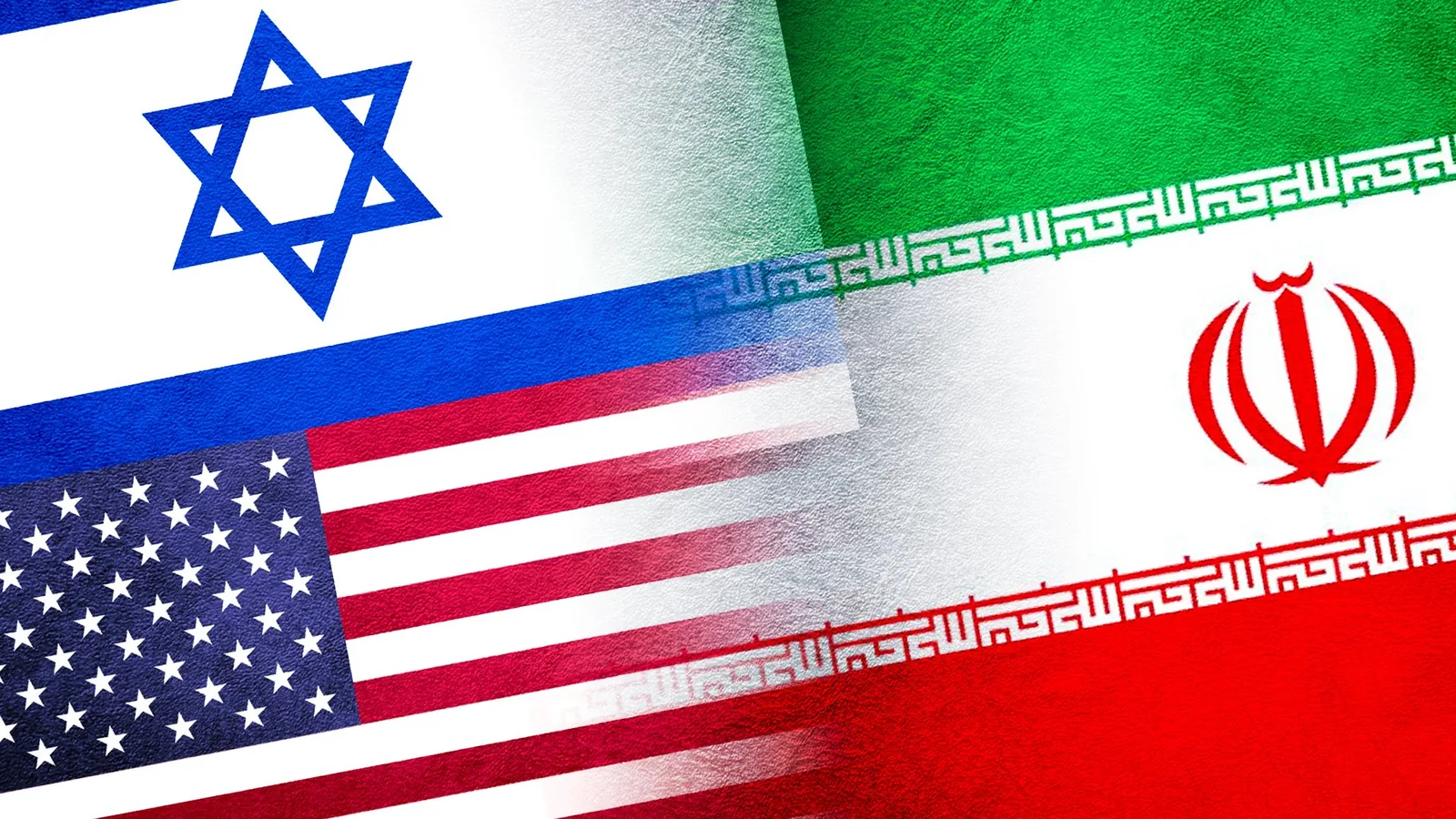
The geopolitical landscape in the Middle East has entered a phase of extreme volatility, with the focus shifting from proxy skirmishes to the potential for direct kinetic action against Iranian sovereign territory. The current tension is not merely a continuation of the “shadow war” but appears to be a coordinated alignment of strategic objectives between Washington and Jerusalem. Here’s the thing: the window for diplomatic de-escalation has narrowed significantly, replaced by a posture of military readiness that suggests a specific operational timeline.
Read more Largest Company end of March?
Recent Developments and Fact-Check
To understand the current trajectory, we have to look at the foundational shifts over the last two weeks:
- Nuclear Threshold Warnings: The International Atomic Energy Agency (IAEA) has recently highlighted that Iran’s stockpile of highly enriched uranium continues to grow, reaching levels that technically allow for the production of several nuclear weapons within a very short timeframe. This “breakout” capability is the primary red line for both US and Israeli defense establishments.
IAEA Official Statement - Israeli Strategic Shift: The Israeli security cabinet has increasingly moved toward a doctrine of “preemptive neutralization.” Recent high-level meetings in Jerusalem have focused on the necessity of targeting IRGC infrastructure and missile production facilities directly on Iranian soil, rather than just hitting regional affiliates.
Times of Israel Report - US Regional Posture: US Central Command (CENTCOM) has maintained a heightened presence in the Eastern Mediterranean and the Persian Gulf. The completion of large-scale joint exercises suggests that the logistical framework for a coordinated strike is fully operational and awaiting executive orders.
CENTCOM Media Updates
The Case for March 4, 2026
March 4 stands out as the most critical date for a potential initiation of strikes. In military planning, the first day of an operation is the “D-Day” that sets the tone for the entire campaign. If a decision has been made to move from deterrence to active engagement, the earliest available window following the conclusion of regional military drills and diplomatic ultimatums is the most logical point of impact. The high degree of certainty surrounding this specific date suggests that the logistical “green light” is perceived as already being in place, likely tied to a specific intelligence trigger or the expiration of a final non-public warning to Tehran.
Comparison with Subsequent Dates
While March 5 and March 6 also show high levels of expectation, they are secondary to the initial strike date. If an aerial campaign begins on March 4, subsequent dates would likely involve “B-Day” or “C-Day” follow-up strikes to suppress air defenses or hit secondary targets. However, the primary risk—and the definitive resolution of a strike occurring—is most concentrated on the day the first missile or drone crosses into Iranian airspace. Dates further out, such as March 10, see a slight drop in certainty, reflecting the possibility that a short, sharp “surgical” strike might conclude before the end of the week.
Read more What price will Bitcoin hit in March?
Analytical Outlook
What remains uncertain is the exact scale of the response. A “Yes” resolution requires a confirmed impact on Iranian soil or an embassy, excluding intercepted projectiles. The focus remains on whether the strike will target nuclear facilities, IRGC command centers, or drone manufacturing plants. Any official confirmation from credible reporting agencies within 72 hours of the event will be the final arbiter.
Current analytical data shows a heavy concentration of interest in the March 4–6 window. March 4 leads with a 99.35% probability and a volume exceeding 660,000, while March 5 follows closely at 98.6%. Liquidity remains robust across these early March dates, indicating a strong consensus that any potential action is imminent rather than a distant possibility.
Sources :