




Background
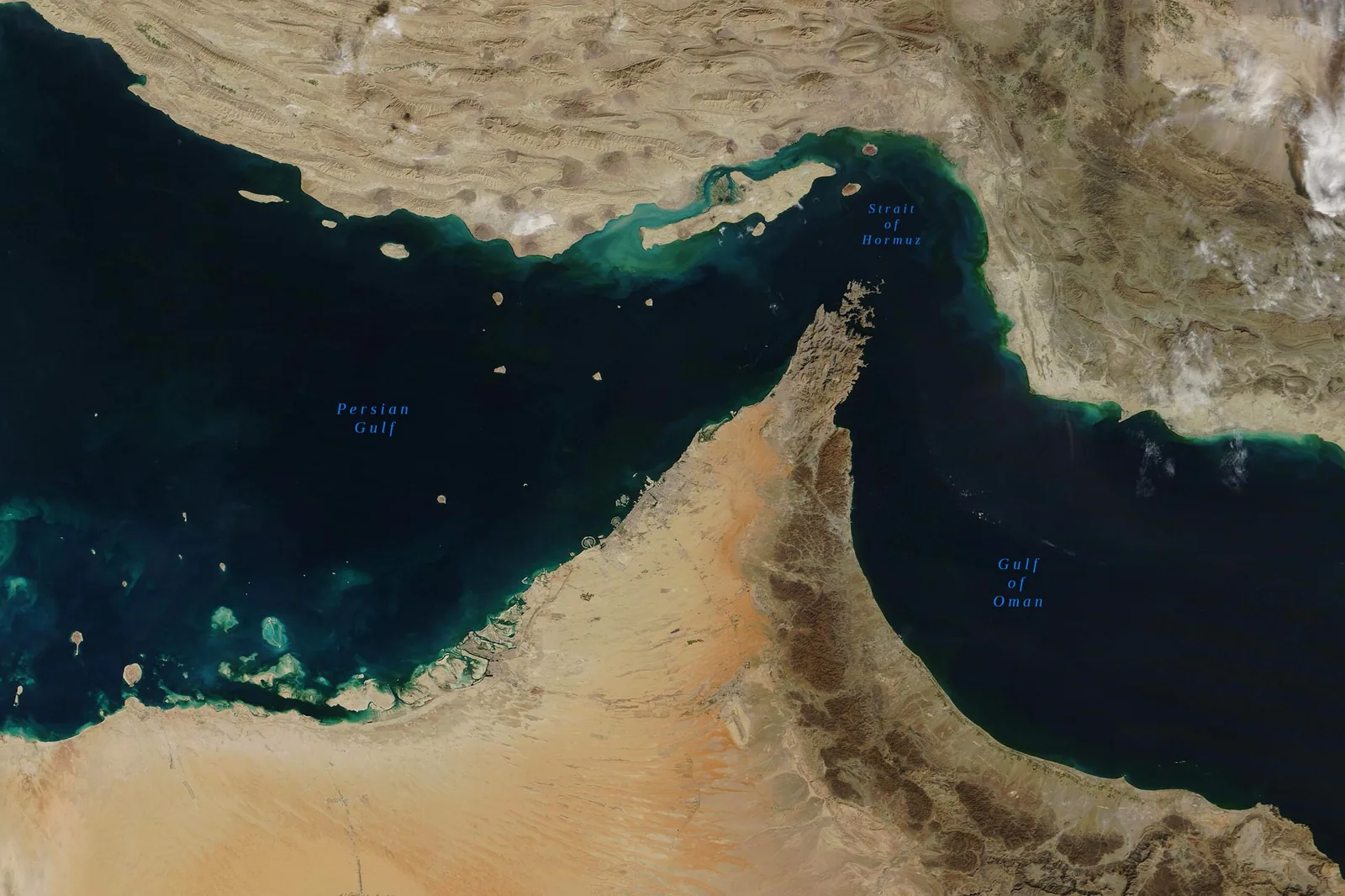
The Strait of Hormuz is a critical maritime chokepoint, through which a significant portion of the world’s oil and goods transit. Recent years have seen disruptions due to heightened geopolitical tensions, particularly involving Iran and the United States. These tensions have led to fluctuations in shipping traffic, raising concerns about the stability of global energy supplies and trade routes.
Read more Which company has best AI model end of July?
The current question centers on whether maritime traffic through the Strait will return to normal levels—defined as a 7-day moving average of at least 60 transit calls—by July 15, 2026. This threshold includes container ships, dry bulk carriers, roll-on/roll-off vessels, general cargo ships, and tankers, as tracked by IMF Portwatch. The resolution depends strictly on these official transit call statistics.
Given the ongoing geopolitical dynamics, including sanctions, military posturing, and diplomatic efforts, the volume of ship transits serves as a tangible indicator of regional stability and commercial confidence.
Key Factors
Over the past two weeks, official data from IMF Portwatch shows that the 7-day moving average of ship arrivals in the Strait has remained well below the 60-call threshold. The latest figures from early June 2026 indicate averages hovering around the mid-50s, reflecting a cautious but not full recovery in maritime activity.
On the diplomatic front, there have been no major breakthroughs between Iran and the United States or their allies that would suggest an imminent de-escalation. In fact, recent statements from Iranian officials reaffirmed their intent to maintain a strong regional posture, while U.S. naval deployments in the Gulf remain robust. This sustained tension discourages shipping companies from fully resuming normal traffic levels.
Additionally, international sanctions on Iran’s oil exports continue to limit tanker movements through the Strait. Although some waivers and exceptions have been discussed, no concrete policy changes have been implemented in the last two weeks that would significantly boost tanker traffic.
Read more Bitcoin above $62,000 on July 12?
What remains uncertain is the potential for sudden diplomatic shifts or security incidents that could either open the corridor more fully or further restrict it. However, current trends and official data do not support a near-term return to normal traffic volumes.
Market Signals
Market indicators show an extremely low probability—under 1%—that traffic will reach the defined normal level by mid-July. Trading volumes are moderate, and prices have declined slightly over the past week, reflecting skepticism about a quick recovery. The narrow bid-ask spread suggests consensus rather than volatility in expectations.
Our Verdict
Based on the latest verified data and geopolitical developments, it is highly unlikely that Strait of Hormuz traffic will return to normal levels by July 15, 2026. The persistent below-threshold transit averages, combined with ongoing regional tensions and unchanged sanctions, point to continued disruption.
Confidence in this assessment is high because the key measurable indicator—the 7-day moving average of transit calls—has not approached the required level, and no recent diplomatic or policy changes suggest a reversal. The situation on the ground remains tense, with no signs of imminent de-escalation that would encourage shipping companies to increase traffic.
Triggers that could alter this outlook include a formal ceasefire or de-escalation agreement between Iran and the U.S., significant easing or lifting of sanctions affecting tanker movements, or a sudden improvement in regional security conditions. Conversely, any escalation or new sanctions would further reduce the likelihood of traffic normalization.
Read more Drake ‘Iceman’ First Week Album Sales?
Источники: