


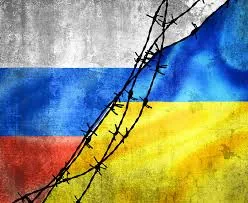
The geopolitical landscape surrounding the Russia-Ukraine conflict has entered a volatile new phase following the recent change in U.S. administration. While the rhetoric regarding a “swift end” to the war has intensified, the path to a formal, mutually signed ceasefire remains obstructed by fundamental disagreements over territory and security guarantees. The distinction between a tactical “freeze” and an official, publicly announced ceasefire agreement is the pivot point for this entire situation.
Читайте также: Bitcoin price on February 17?
Recent Developments and Fact-Check
Over the last 14 days, several key events have reshaped the expectations for a diplomatic breakthrough:
- U.S. Policy Shift: Following the inauguration on January 20, 2025, the new U.S. administration has prioritized a “peace through strength” approach. The appointment of Keith Kellogg as a special envoy for Ukraine and Russia signals a move toward a plan that may involve freezing the front lines, though no formal document has been presented to or accepted by the warring parties.
- Ukrainian Red Lines: In late January 2025, President Volodymyr Zelenskyy reiterated that any cessation of hostilities must be accompanied by “reliable security guarantees” to prevent Russia from using a pause to rearm. Ukraine continues to push its “Victory Plan,” which emphasizes long-term military support and a clear path to NATO or equivalent protection.
- Russian Demands: On January 24, 2025, Kremlin officials reaffirmed that their objectives remain unchanged, insisting that any settlement must recognize the “territorial realities” of the four annexed regions. This remains a non-starter for Kyiv, creating a significant diplomatic impasse.
Analysis of the Likely Outcome
Here is the thing: the criteria for a “Yes” resolution are exceptionally strict. We aren’t just looking for a decrease in shelling or a humanitarian pause. The requirement is an official, mutually agreed, and publicly announced halt in military engagement. Historically, conflicts of this intensity often transition into “frozen” states without formal agreements—similar to the Korean Peninsula—rather than concluding with a signed ceasefire treaty.
Читайте также: Donald Trump # Truth Social posts February 10 — February 17, 2026?
Currently, the “No” outcome appears more grounded in reality. Why? Because a formal agreement requires both Moscow and Kyiv to sign a document that would likely be seen as a political capitulation by their respective domestic audiences. Russia’s insistence on constitutional control over occupied territories and Ukraine’s demand for total withdrawal are currently irreconcilable. While a de facto “freeze” might occur if Western aid fluctuates or Russian offensive capabilities exhaust, an official ceasefire agreement by February 2026 requires a level of diplomatic compromise that neither side has shown a willingness to entertain.
What Could Shift the Picture?
What changes the situation? Look closer at these three potential triggers:
- A Trilateral Summit: A formal meeting between the U.S., Russia, and Ukraine that results in a signed memorandum would be the most direct signal of a “Yes” resolution.
- Security Guarantee Breakthroughs: If the West provides a binding security framework that satisfies Kyiv’s “never again” requirement, Ukraine might be more inclined to formalize a halt in fighting.
- Legislative Changes: Any move by the Russian Duma or the Ukrainian Rada to adjust their legal stances on the “annexed” or “occupied” territories would signal that a formal deal is being prepared behind the scenes.
At present, the sentiment reflects a high degree of skepticism. With a probability for “Yes” hovering at just 1.05% and a total volume exceeding $4.1 million, the consensus is heavily weighted toward the conflict continuing or remaining in a state of informal flux. The liquidity of approximately $428,000 suggests that this view is well-supported by those following the granular details of the diplomatic stalemate.
Читайте также: Bitcoin above $66,000 on February 18?
Источники: