

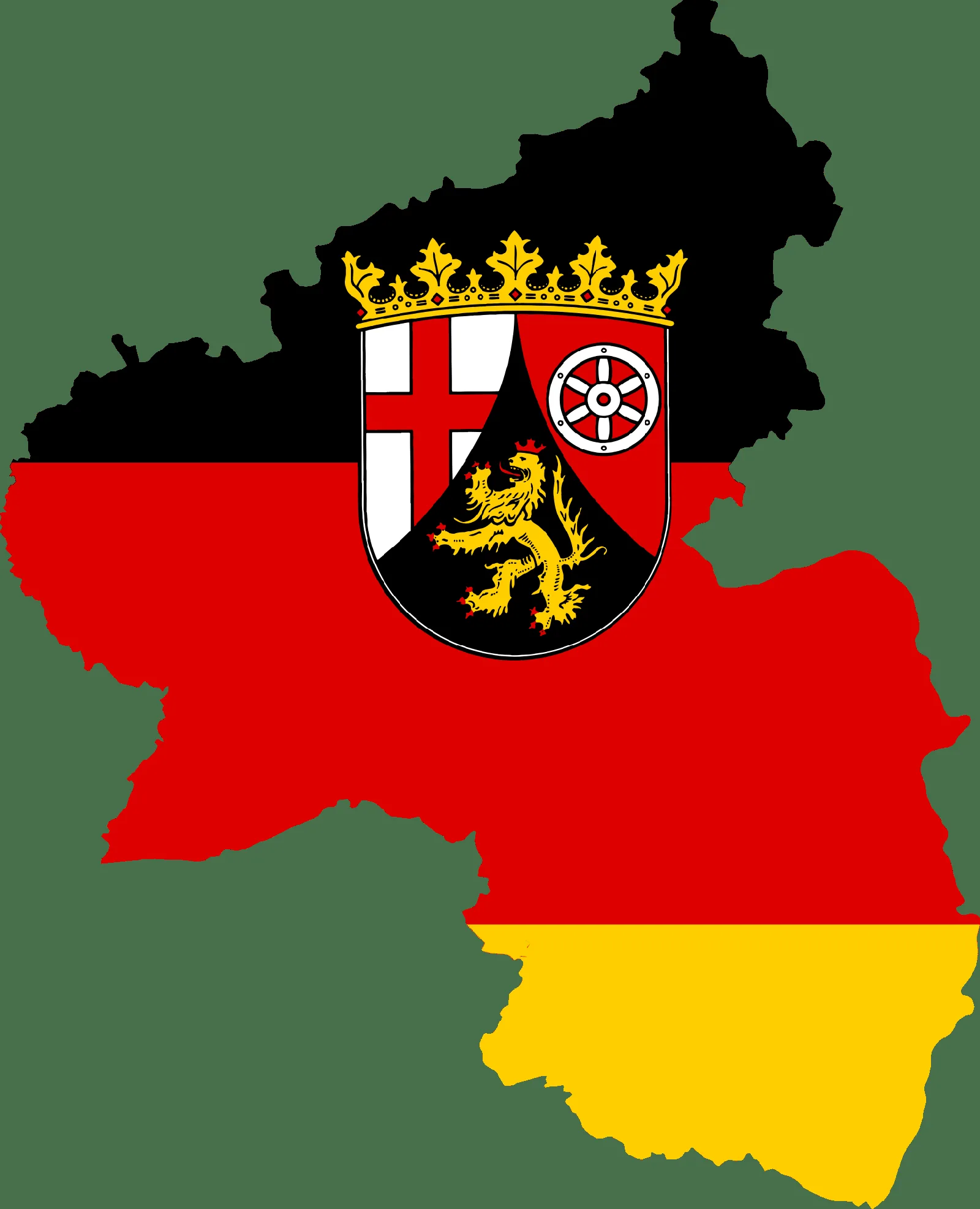
Rhineland-Palatinate has long been considered an “SPD state,” having been governed by Social Democratic Minister-Presidents since 1991. However, as the countdown to the March 2026 Landtag election begins, the political landscape is shifting in ways that suggest a historic break from tradition. The dominance of the SPD is facing its most significant challenge in decades, primarily driven by the fallout from federal politics in Berlin.
Read more Bitcoin price on March 23?
Recent Developments and Fact-Check
The political climate in Rhineland-Palatinate is currently inseparable from the national crisis. Here are the key factors from the last two weeks that are shaping the outlook for 2026:
- Federal Election Alignment: Following the collapse of Germany’s “Traffic Light” coalition, the date for the early federal election has been set for February 23, 2025. This is a critical trigger. The outcome of this national vote will likely dictate the momentum for the Rhineland-Palatinate state election a year later. Current national polling consistently places the CDU/CSU at approximately 32-33%, nearly double that of the SPD. More details on the election schedule can be found via the Federal Returning Officer.
- The “Incumbency Bonus” Test: Alexander Schweitzer, who took over as Minister-President in July 2024 after Malu Dreyer’s resignation, is struggling to maintain the “Landesvater” (father of the state) bonus that his predecessor enjoyed. Recent regional analysis suggests that while Schweitzer is personally liked, the SPD brand is suffering from the unpopularity of the federal government.
- Polling Trends: While state-specific polls are less frequent than national ones, the most recent comprehensive data from Infratest dimap shows the CDU leading the SPD by a significant margin (31% to 24%). This trend has remained stable as the CDU successfully positions itself as the only viable alternative to the current administration. Detailed polling data is available at Tagesschau/Infratest dimap.
The Leading Candidate: CDU
The Christian Democratic Union (CDU) is currently the most well-positioned party to win the most seats in 2026. Why? It’s a combination of national tailwinds and local stability. The CDU in Rhineland-Palatinate, led by Christian Baldauf and Gordon Schnieder, has successfully avoided the internal infighting that plagued them in previous cycles. They are benefiting from a “protest potential” where voters, frustrated with economic stagnation and migration issues at the federal level, are looking toward the Union as a safe harbor. If the CDU wins the federal election in early 2025, they will enter the 2026 state campaign with the immense psychological advantage of being the governing party in Berlin.
Read more Trump out as President by March 31?
The Competition: SPD and AfD
The SPD is the primary challenger, but they are fighting an uphill battle. Their strategy relies almost entirely on Alexander Schweitzer’s ability to distance himself from the federal SPD’s failures. However, history shows that when a federal government is deeply unpopular, state branches almost always pay the price at the ballot box. As for the AfD, while they are polling strongly (around 14-16% in the state), their path to becoming the largest party is blocked by the specific demographics of Rhineland-Palatinate, which is more moderate and structurally different from the eastern German states where the AfD has seen its greatest successes.
What to Watch For
What changes the picture? Keep a close eye on these three triggers:
- February 2025 Federal Results: If the CDU underperforms or the SPD stages a surprise recovery nationally, the 2026 state race becomes a toss-up.
- Economic Indicators: Rhineland-Palatinate is home to industrial giants like BASF. Any further industrial downturn in the region will likely hurt the incumbent SPD more than the opposition.
- Coalition Dynamics: Watch for any signals of a “Grand Coalition” (CDU/SPD) forming at the federal level, which could soften the adversarial nature of the state-level race.
Current analytical sentiment shows an overwhelming expectation for a CDU victory, with confidence levels sitting near 99%. While the volume of discussion remains moderate, the lack of any significant counter-trend in recent weeks has solidified the view that the CDU is the clear frontrunner to take the most seats in the Landtag.
Read more What price will Bitcoin hit on March 22?
Sources :