


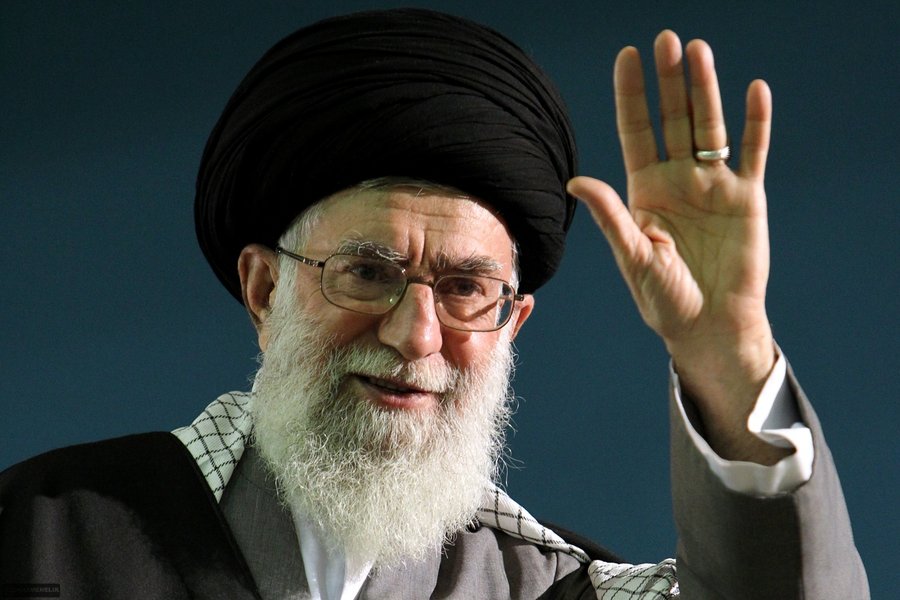
The question of Ali Khamenei’s tenure as Iran’s Supreme Leader is a significant one, with a specific market set to resolve on March 31, 2026. This market asks whether Khamenei will be removed from power by that date, for any reason including resignation, detention, or loss of his ability to fulfill his duties.
Читайте также: MicroStrategy announces >1000 BTC purchase February 10-16?
Looking at the past 7-14 days, there haven’t been any direct, verifiable official announcements or reports indicating a change in Khamenei’s status or health that would directly trigger a resolution of “Yes” for this market. News cycles have focused on broader geopolitical developments and Iran’s internal political discourse, rather than specific events concerning the Supreme Leader’s immediate position.
Given the lack of immediate, concrete developments in the past two weeks, the most reasoned outcome at this moment leans towards “No.” Here’s why: The Supreme Leader’s position in Iran is deeply entrenched within the Islamic Republic’s constitutional framework. Succession is a complex, multi-stage process, typically involving the Assembly of Experts, and is not usually a sudden event. Khamenei has been in power since 1989, and while his age and health have been subjects of speculation over the years, any transition would likely be managed through established, albeit opaque, institutional channels. Without any overt signs of such a process being initiated or any public indication of his incapacitation, the status quo is the most probable scenario in the short term.
What typically determines the outcome in such a scenario? Firstly, the institutional rules governing succession are paramount. The Assembly of Experts, a body of clerics, is constitutionally mandated to appoint and, if necessary, dismiss the Supreme Leader. Their actions, or lack thereof, are key. Secondly, public pronouncements from senior Iranian officials, particularly those within the ruling establishment, would signal any impending changes. Finally, Khamenei’s own public appearances and reported health status, while often subject to interpretation, are crucial indicators. Any significant, sustained absence or clear indication of inability to perform his duties would be a major shift.
Читайте также: Turnout in Portugal Presidential Election Second Round
The uncertainty, of course, remains high. The Iranian political system is not always transparent, and internal power dynamics can shift rapidly. The long-term health of any leader, especially one in advanced age, is inherently unpredictable. Therefore, while the immediate outlook suggests continuity, the possibility of unforeseen events cannot be discounted.
Specific triggers that would significantly alter the assessment would include:
- An official announcement from the Assembly of Experts regarding a leadership transition process.
- A clear, sustained absence of Ayatollah Khamenei from public life, accompanied by credible reports of his incapacitation.
- Public statements from high-ranking Iranian officials acknowledging a change in leadership or the initiation of succession procedures.
The current market sentiment reflects a low probability of “Yes” by the specified date, with a high probability assigned to “No.” This is supported by the general lack of immediate triggers and the entrenched nature of the current leadership structure. Trading activity shows a consistent bid-ask spread, indicating a relatively stable, albeit low, valuation for the “Yes” outcome.
Читайте также: What price will Solana hit in February?
Источники: