



Background
The Federal Reserve is currently navigating a complex “wait-and-see” period, balancing the dual mandate of price stability and maximum employment. After a historic series of rate hikes to curb post-pandemic inflation, the Federal Open Market Committee (FOMC) has shifted its focus toward determining exactly when the current restrictive policy can be safely dialed back. The core debate centers on whether inflation is truly on a sustainable path to the 2% target or if structural shifts in the economy require a “higher for longer” approach.
Read more Fed Decision in June?
The specific window for a potential cut is defined by the FOMC meeting cycles. While emergency cuts are possible, the vast majority of policy shifts occur during scheduled meetings where the Committee reviews the latest Consumer Price Index (CPI) and labor market data. For the immediate horizon, the January 2026 meeting serves as a critical milestone, but the broader trajectory for 2026 depends heavily on the “last mile” of disinflation and the resilience of the U.S. consumer.
Candidate Analysis
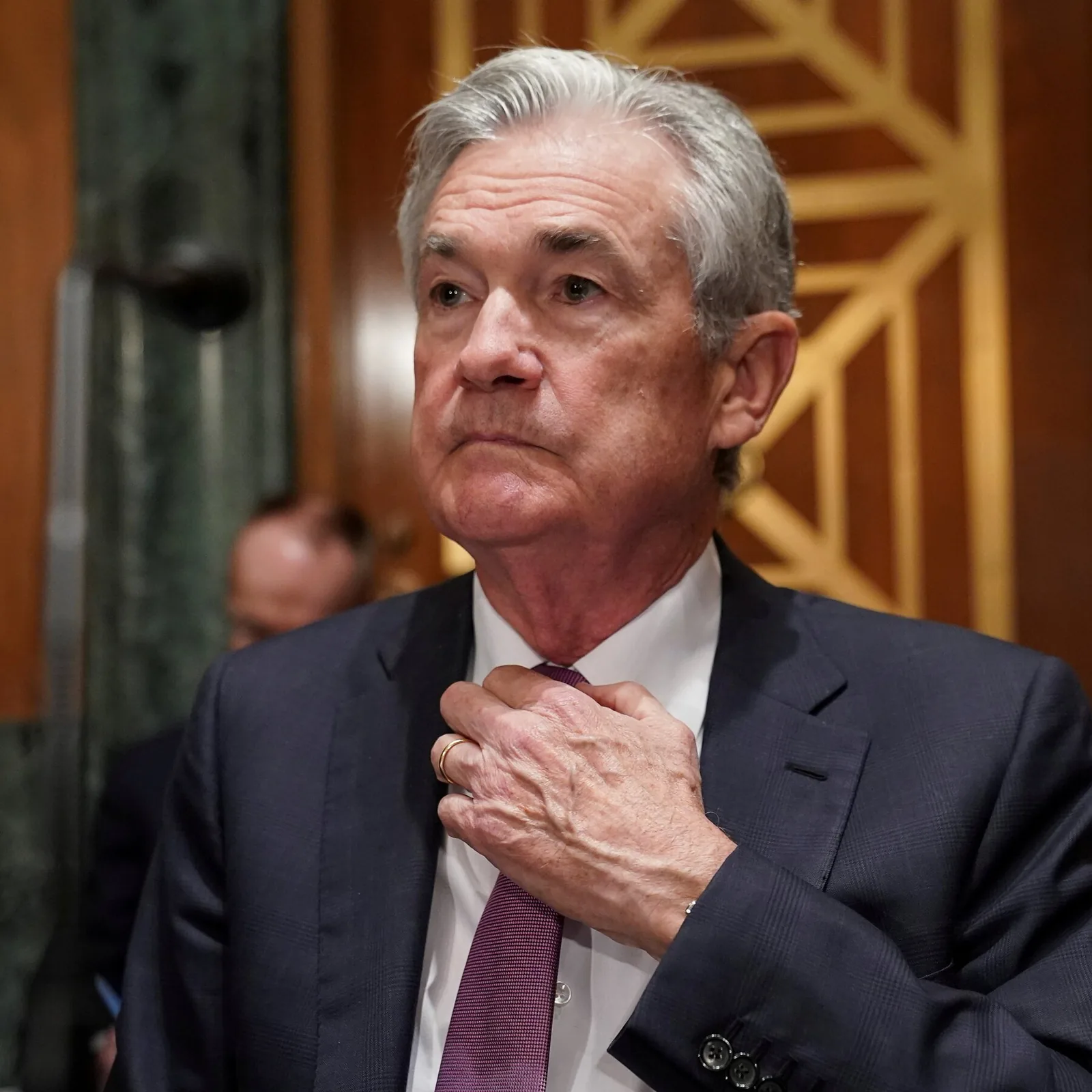
The most justified milestone for a confirmed rate cut is December 2026. Here is the reality: the Fed is playing a long game. Recent data suggests that the urgency for immediate easing has dissipated. For instance, the Bureau of Labor Statistics reported on February 13, 2025, that the Consumer Price Index (CPI) rose 0.3% in January, bringing the annual rate to 2.6%. This “sticky” inflation, combined with a January jobs report that saw 215,000 new positions added, gives Fed Chair Jerome Powell ample room to maintain the status quo. In his recent remarks at the Dallas Fed, Powell explicitly stated that the economy is not sending signals that the Fed needs to be in a hurry to lower rates.
Look closer at the alternatives: April 2026 and June 2026. These dates appear increasingly unlikely for a first cut unless the economy faces a sudden, sharp downturn. With core PCE still hovering above the 2% target, a cut as early as April would require a dramatic collapse in consumer spending or a spike in unemployment that simply isn’t visible in the current data. September 2026 is a more plausible pivot point, but it remains a coin toss. By pushing the expectation to December 2026, we account for the full range of 2026 economic data, making it the most robust candidate for a “Yes” resolution.
What remains uncertain is the impact of potential fiscal policy changes and global trade tensions. If new tariffs or significant deficit spending reignite inflationary pressures in late 2025, the Fed might not only delay cuts but could theoretically consider further tightening, though that is not the baseline expectation. The “higher for longer” mantra is not just a slogan; it is a reflection of a labor market that refuses to break.
Read more ChatGPT back in as #1 Free App in the US Apple App Store by…?
Market Signals
Investor sentiment currently reflects this cautious outlook, with a clear preference for later dates in the 2026 calendar. While early 2026 windows show negligible confidence—often below 2%—the probability for a cut by September 2026 has stabilized around 40%. The most significant concentration of conviction lies in the December 2026 window, which currently holds a 63% probability. This suggests that while there is debate over the exact month, there is a growing consensus that a policy shift is inevitable before the end of that year, even if the Fed remains hawkish in the short term.
Our Verdict
Our verdict is that a rate cut will occur by December 2026. This conclusion is based on the cyclical nature of monetary policy; it is highly improbable that the Federal Reserve will maintain a target range of 5.25% to 5.50% for another 20 months without either achieving its inflation goal or seeing enough economic cooling to justify a “maintenance” cut. The strength of the January 2025 labor data and the stagnation of CPI progress in February 2025 confirm that the Fed will not be rushed, effectively ruling out the April and June 2026 windows as primary candidates.
We hold a high level of confidence in this outcome because the December 2026 deadline provides the Fed with nearly two years of additional data to confirm the disinflationary trend. Even a very conservative FOMC would likely move to normalize rates once inflation settles near 2.5%, provided the labor market shows even minor signs of fatigue. The December window acts as a “catch-all” for any easing that might occur in the second half of 2026.
Triggers to watch:
- A rise in the unemployment rate above 4.5%, which would likely trigger the “Sahm Rule” and force an earlier cut.
- Two consecutive months of core PCE inflation prints below 0.2% month-over-month.
- Any significant stress in the regional banking sector or commercial real estate markets that threatens financial stability.
Read more Bitcoin Up or Down — April 12, 4PM ET
Sources: