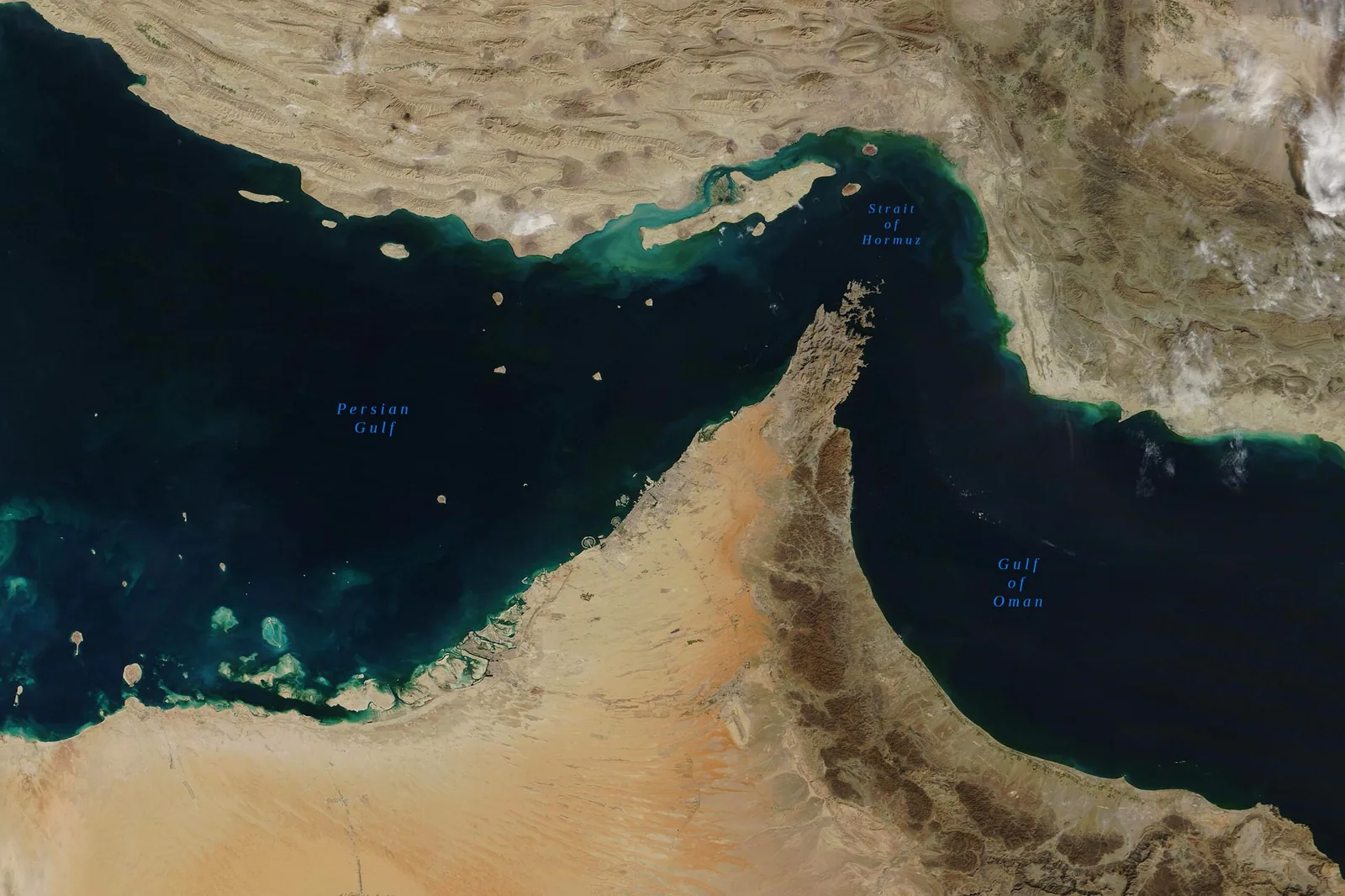




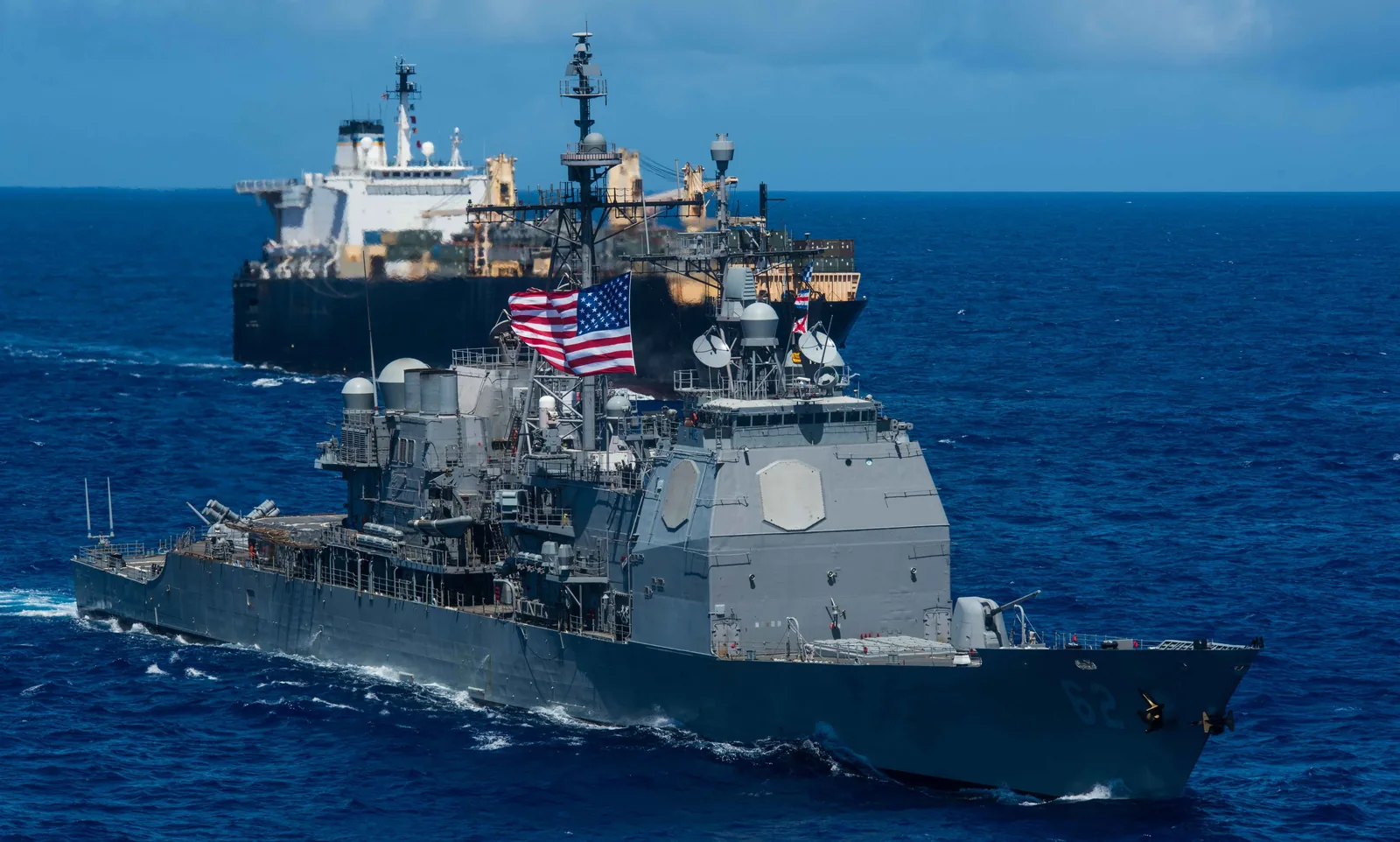
The Strait of Hormuz remains one of the world’s most sensitive maritime chokepoints, and the question of whether the U.S. military will transition from general “overwatch” to direct “escorts” is a matter of significant geopolitical weight. As of mid-March, the operational posture of the U.S. Navy in the region suggests a preference for regional stability through multilateral frameworks rather than the resource-intensive task of individual ship escorts.
Read more Bitcoin Up or Down — March 15, 1PM ET
Recent Fact-Check and Operational Reality:
- Focus on the Red Sea: U.S. naval assets in the 5th Fleet area of responsibility remain heavily prioritized for Operation Prosperity Guardian in the Red Sea. Recent updates from U.S. Central Command (CENTCOM) continue to highlight engagements with Houthi-launched threats, suggesting that the primary “protective” resources are currently concentrated south of the Strait of Hormuz.
U.S. Central Command Press Releases - The “Overwatch” Standard: The International Maritime Security Construct (IMSC) and its operational arm, Task Force Sentinel, have maintained a consistent “overwatch” posture. While this involves monitoring and providing a deterrent presence, it is distinct from the “escort” definition required for a positive resolution. The IMSC has not issued any new directives for direct commercial convoys in the last 14 days.
International Maritime Security Construct (Sentinel) - Response to Iranian Provocations: Following the seizure of the MSC Aries by Iranian forces in April 2024, the U.S. response focused on diplomatic condemnation and sanctions rather than the immediate implementation of a direct escort program for commercial hulls. This established a precedent that even direct interference with shipping does not automatically trigger a formal “escort” announcement.
Reuters: Iran seizes MSC Aries
Analysis of Current Prospects
Here’s the thing: the distinction between “providing security” and “escorting” is where this situation hinges. For a “Yes” outcome, there must be a definitive announcement or a widespread consensus that U.S. personnel are actively accompanying a specific vessel. Currently, the “No” outcome is more justified. Why? Because the U.S. military typically avoids the term “escort” in official communications to prevent being operationally or legally tied to the safety of every commercial vessel in the Strait. They prefer the flexibility of “maritime security operations.”
Fair point—the presence of a “Trump” policy tag suggests a potential shift toward a more aggressive “Maximum Pressure” doctrine. However, even under such a doctrine, the U.S. has historically preferred to let private industry manage its own risk or rely on the general deterrent of a nearby carrier strike group rather than assigning specific assets to “shadow” commercial tankers through the Strait.
What changes the picture?
Look closer at these potential triggers:
1. A formal CENTCOM announcement of a new “Convoy Protection” mission.
2. A specific statement from the Department of Defense confirming that aerial assets (drones or jets) are being “assigned to protect” a specific commercial transit.
3. A significant escalation in Iranian “bridge-to-bridge” harassment that forces a public policy shift from the White House.
Read more Mojtaba Khamenei leaves Iran by…?
Without these specific triggers, the current “overwatch” status quo does not meet the threshold for a definitive escort announcement.
Current data shows a 30.5% probability for a “Yes” outcome and a 69.5% probability for “No.” With a total volume exceeding $534,000 and a tight spread of 0.01, there is significant liquidity supporting the view that a formal policy shift is unlikely within the remaining timeframe.
Read more What price will Bitcoin hit on March 15?
Источники: