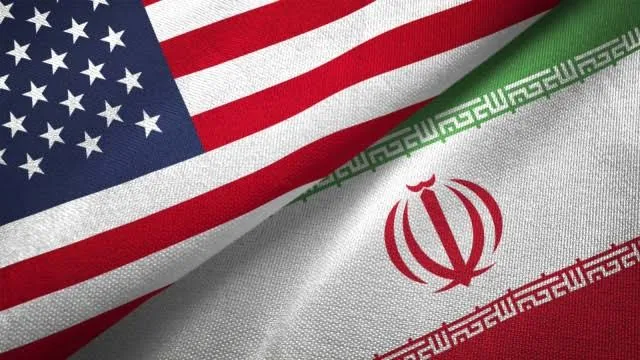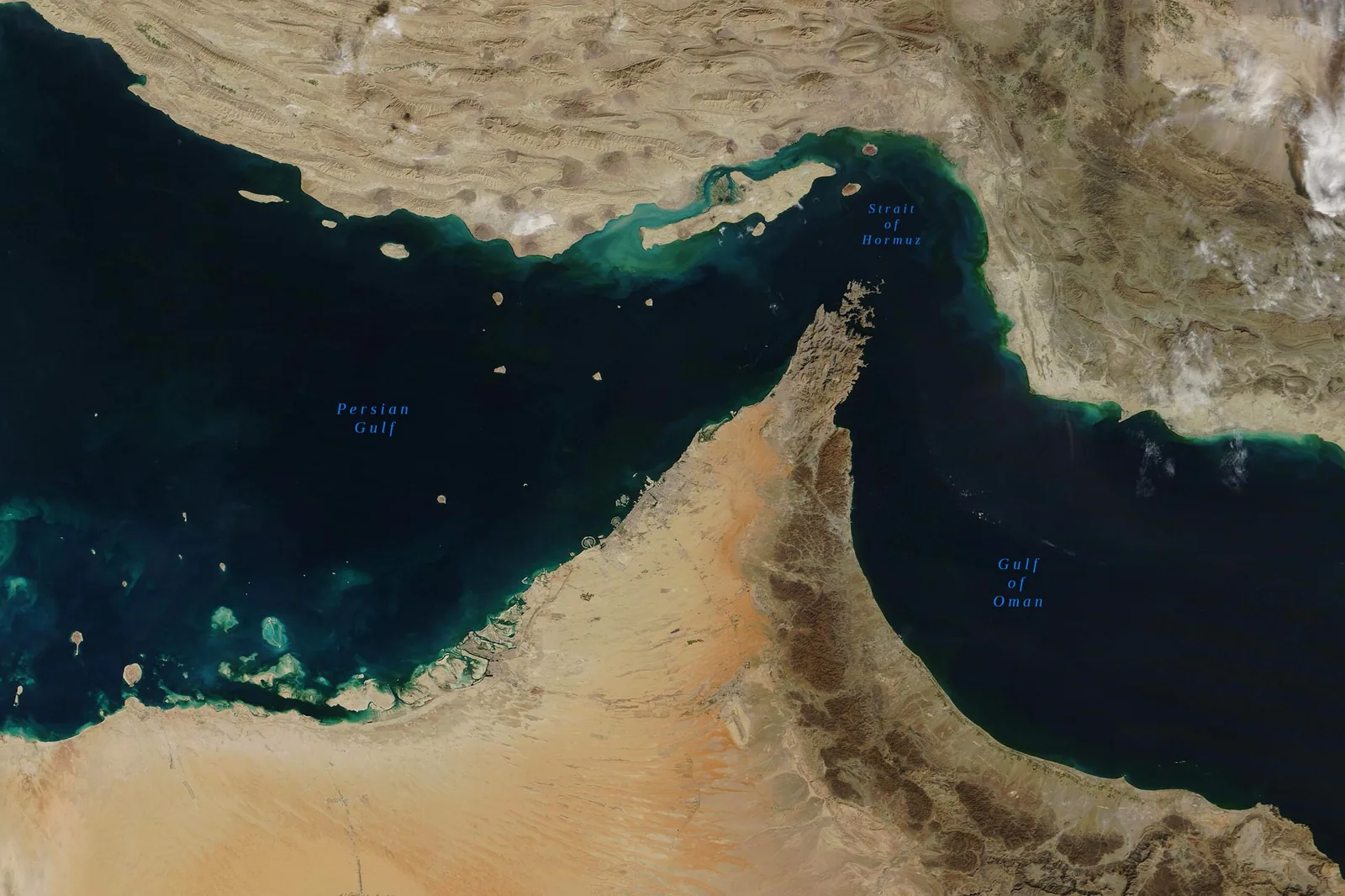




Kharg Island is the juggernaut of the Iranian economy, serving as the terminal for roughly 90% of the country’s crude oil exports. Given its strategic importance, any shift in control would signal a tectonic change in Middle Eastern geopolitics. However, the criteria for this specific scenario are exceptionally high: it requires a total cessation of Iranian governmental and military authority, replaced by a foreign power or an internationally backed entity. Temporary strikes or naval blockades simply don’t meet the threshold.
Read more Bitcoin Up or Down — March 14, 11AM ET
Looking at the situation on the ground over the last two weeks, there is no evidence suggesting that Iranian sovereignty over the island is under immediate threat. Here are the core facts defining the current landscape:
- Joint Military Exercises: Between March 11 and March 15, 2024, Iran conducted the “Security Bond-2024” joint naval drills with Russia and China in the Gulf of Oman. This exercise, involving over 20 ships and aviation units, demonstrates that Iran maintains an active and collaborative military presence in the waters surrounding its key energy hubs. You can read more about these maneuvers via Reuters.
- Oil Export Continuity: Recent data indicates that Iranian oil exports have remained resilient, reaching multi-year highs despite ongoing international sanctions. Kharg Island continues to function as the primary node for these shipments, with no reported disruptions to its administrative or operational control. Reports from Reuters highlight the scale of this ongoing activity.
- Internal Political Stability: While there is frequent speculation regarding the health and succession of Supreme Leader Ali Khamenei—often involving his son, Mojtaba Khamenei—there has been no breakdown in the chain of command that would lead to a loss of territorial integrity. The Iranian Revolutionary Guard Corps (IRGC) maintains a heavy security footprint on Kharg Island specifically to prevent the “loss of control” scenario described in the resolution terms.
Why does this matter? Because the definition of “control” in this context is binary and rigid. For the outcome to change, a foreign military would essentially need to occupy the island and establish a new governing administration. Even a devastating air strike that destroys the oil piers would not result in a “Yes” resolution, as long as Iranian troops remain on the island and no other state has established its own authority.
What could change the picture?
Look closer at these specific triggers:
1. A full-scale amphibious invasion by a foreign coalition.
2. A formal surrender document or treaty specifically transferring the island’s administration.
3. A total collapse of the central government in Tehran that leads to local provincial authorities declaring independence under foreign protection.
Read more What price will Ethereum hit March 9-15?
Right now, none of these triggers are active. The “Security Bond” drills actually suggest the opposite—that Iran is strengthening its maritime defense posture through international partnerships. Without a massive, unprecedented military intervention within the next two weeks, the status quo is likely to hold.
Current sentiment reflects this reality, with the probability of a change in control priced at approximately 11.5%, while the likelihood of Iran maintaining control stands at 88.5%. Total volume for this specific outlook has reached over $255,000, with high liquidity and a tight spread of 0.01, indicating a strong consensus among observers that a transfer of power is highly improbable by the end of the month.
Read more Bitcoin above ___ on March 16?
Источники: