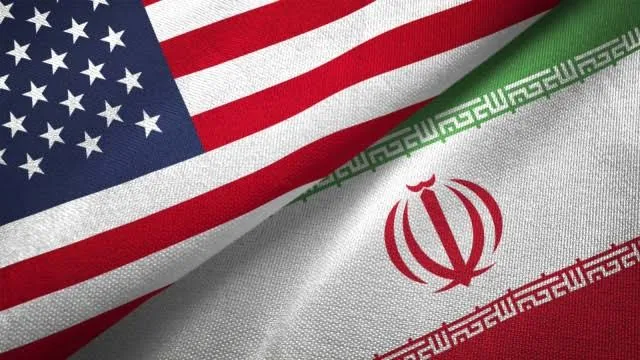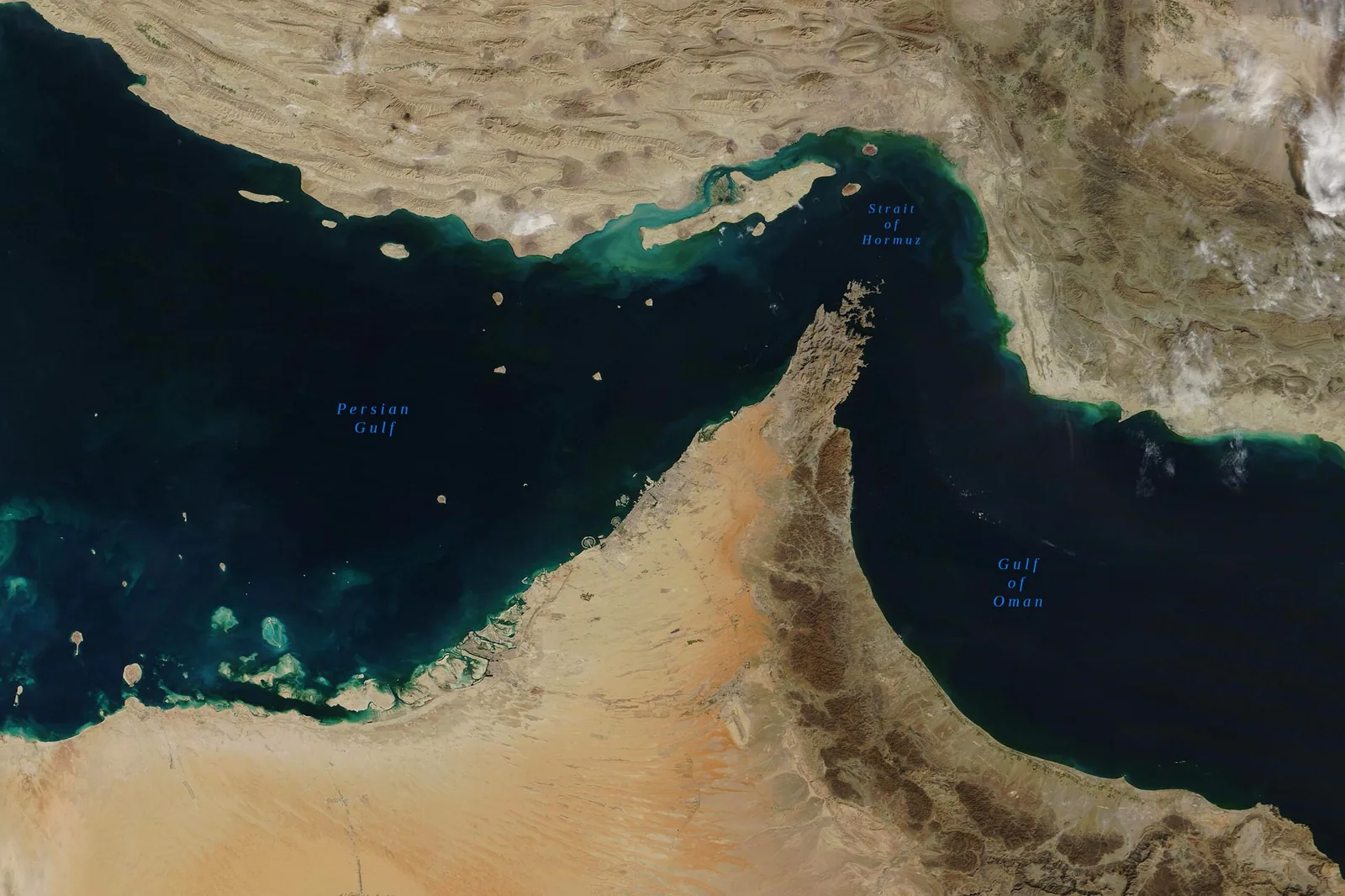




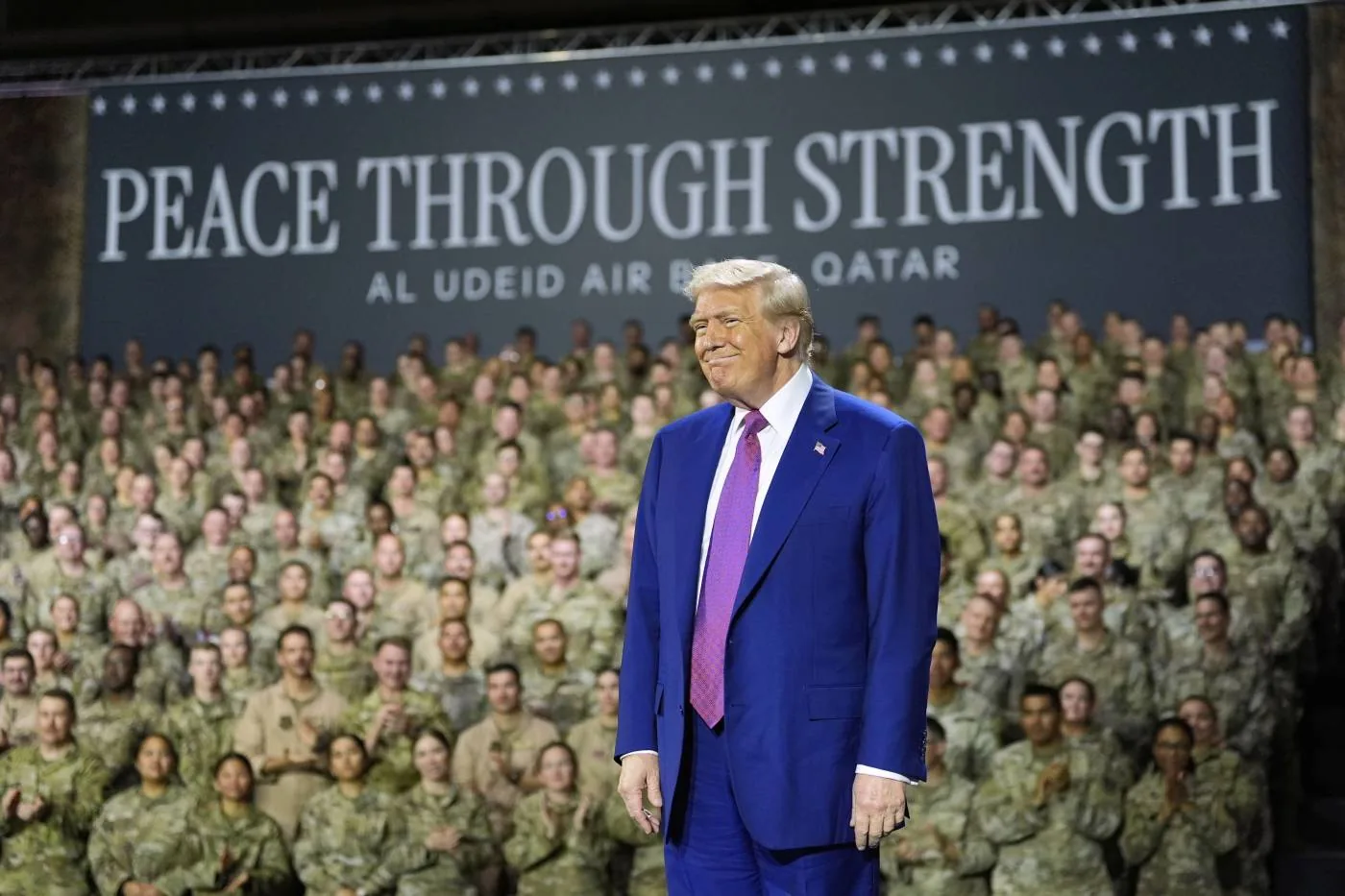
The sudden initiation of military operations against Iran on February 28, 2026, has shifted the global focus toward one question: how long will this last? Historically, the current administration’s approach to kinetic conflict isn’t about long-term nation-building or “forever wars.” Instead, it relies on high-intensity leverage to force a diplomatic reset. For an official “end” to be announced, we aren’t just looking for a ceasefire; we are looking for a specific public declaration from the President or the Pentagon.
Read more Bitcoin Up or Down — March 9, 3PM ET
Geopolitical Context and Fact-Check
To understand the likely timeline, we have to look at the established patterns of the current administration’s foreign policy and recent strategic shifts:
- The “Maximum Pressure” Doctrine: The core of the current strategy remains the use of overwhelming economic and military signals to bring Tehran back to the negotiating table. Reports on the “Maximum Pressure 2.0” strategy suggest that military strikes are viewed as a “short, sharp shock” rather than the start of a protracted campaign.
Foreign Affairs: The Return of Maximum Pressure - The 2020 Precedent: Looking back at the 2020 Soleimani strike, the administration demonstrated a preference for a single, high-impact event followed by immediate rhetoric offering a “path to peace” if conditions were met. This suggests a cycle of escalation and de-escalation that typically resolves within a 30-day window.
Reuters: Trump’s Stance on Iran - Campaign Promises of Speed: Throughout the 2024 campaign and into the current term, the President has repeatedly claimed that international conflicts could be settled “very quickly” under his watch. This political brand makes a prolonged military operation a liability, pushing the White House to seek a “Mission Accomplished” moment as fast as possible.
Brookings: Trump’s Middle East Policy
The Case for March 31st
Why does the March 31st window stand out? Here’s the thing: a two-week window (March 15) is almost certainly too tight for the formal bureaucracy of the U.S. government to declare an operation “concluded.” Even if the bombs stop falling, the official statement requires coordination between the National Security Council and the Department of Defense.
March 31st provides exactly one month from the initiation of operations. This fits the “Shock and Awe” timeline perfectly. It allows enough time for the initial strikes to achieve their tactical objectives and for backchannel communications—likely through Swiss or Omani intermediaries—to produce a face-saving gesture from Tehran that the President can then frame as a total victory on Truth Social. Look closer at the resolution criteria: a post on Truth Social counts as an official announcement. This lowers the bar for a “Yes” resolution significantly, as the President often announces major policy shifts via social media before they are formalized by the Pentagon.
Read more What price will Bitcoin hit on March 9?
Comparing the Alternatives
The March 15th deadline is a long shot. It assumes a level of diplomatic surrender from Iran that is historically unprecedented in such a short timeframe. On the other hand, the April 30th and June 30th windows are much safer bets, but they ignore the President’s obsession with momentum. Waiting until April or June to announce an end would signal that the U.S. is bogged down in another Middle Eastern quagmire—the exact opposite of the “quick deal-maker” image the administration cultivates. March 31st is the “Goldilocks” zone: long enough to be credible, short enough to be a “win.”
Current Sentiment and Data
Current data shows a sharp divide in expectations. The March 15th window is viewed as unlikely with only an 11% probability. However, confidence jumps significantly for the March 31st deadline, which currently sits at 51.5%. By the time we reach the April 30th and June 30th windows, the probability climbs to 74.5% and 83% respectively, reflecting a broad consensus that the operations are intended to be short-lived. Liquidity remains highest for the March 31st and April 30th options, indicating these are the primary dates where analysts are focusing their attention.
Read more Ethereum above ___ on March 10?
Sources :