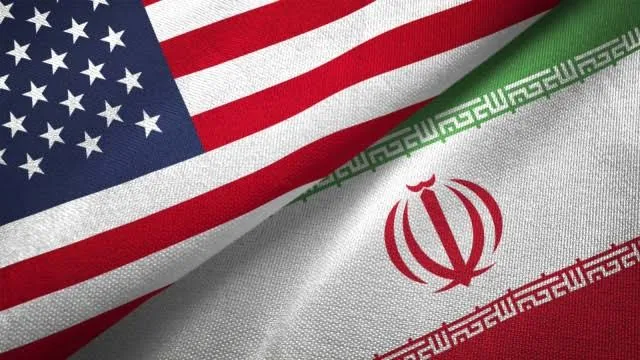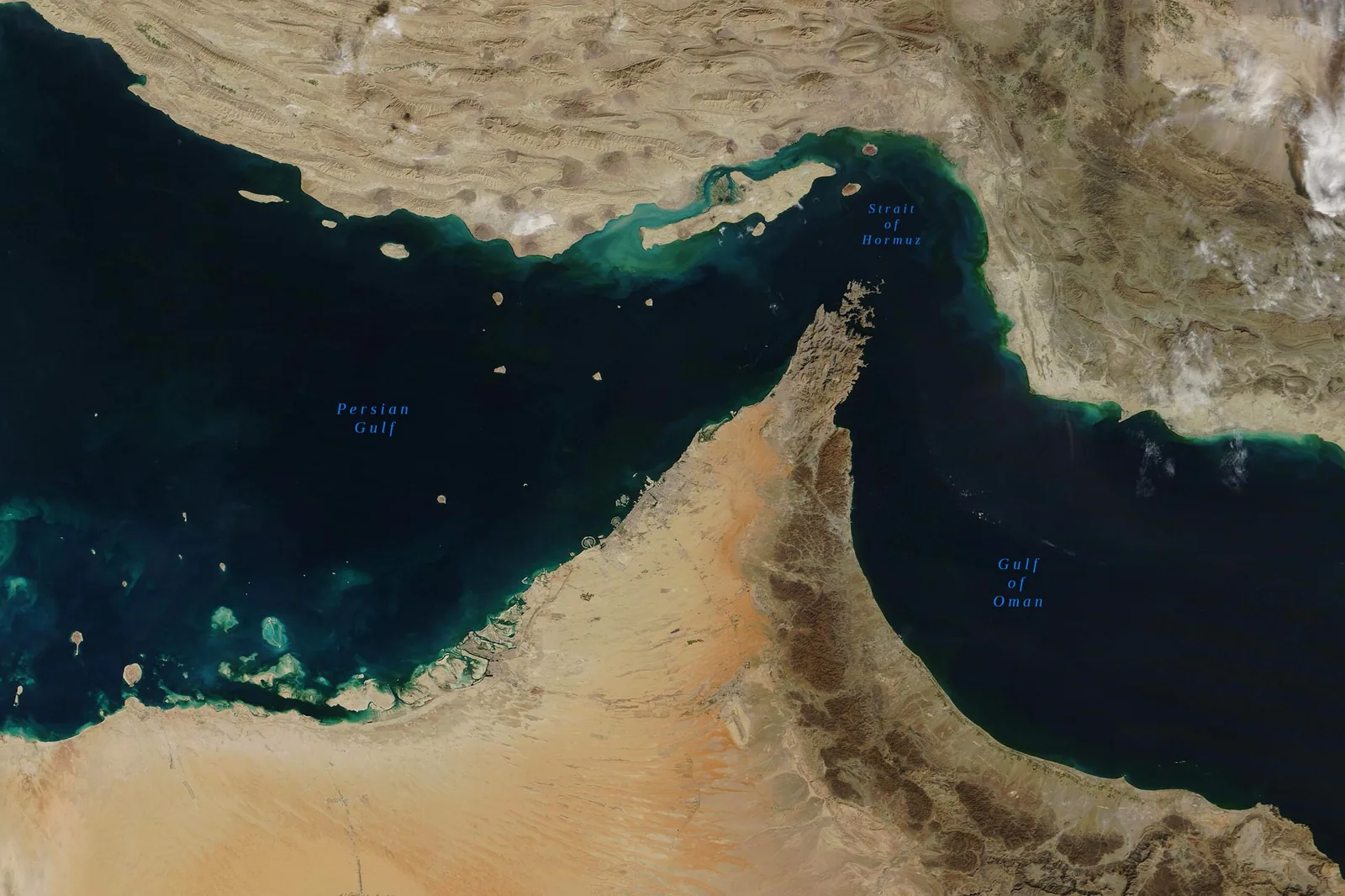




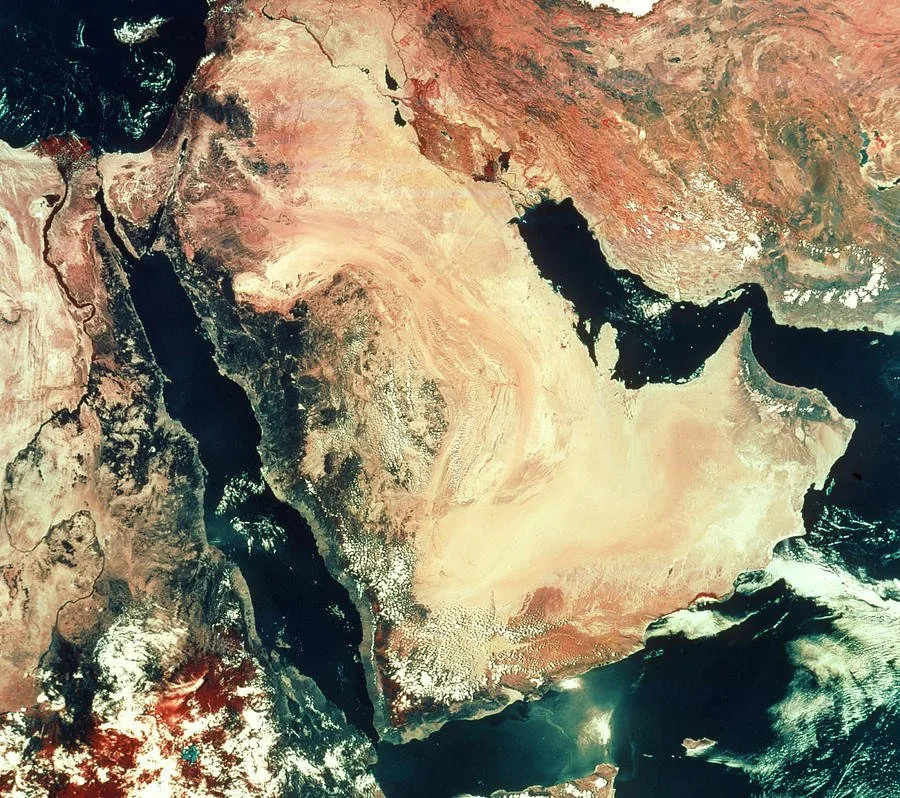
The geopolitical landscape of the Persian Gulf has shifted dramatically over the last two years, moving from overt hostility to a cautious, pragmatic diplomacy. As we approach the March 7 deadline, the question of whether a Gulf state—specifically Saudi Arabia, the UAE, Qatar, Kuwait, Oman, or Bahrain—would launch a direct kinetic strike on Iranian soil or its diplomatic missions is met with significant skepticism. For such an event to occur, it would require a total collapse of the current regional security architecture.
Read more Which company has the #3 AI model end of March? (Style Control On)
Recent Developments and Fact-Check
- Military Diplomacy: In a landmark move signaling a thaw in relations, Saudi Arabia’s Chief of Staff, Fayyad al-Ruwaili, traveled to Tehran in late 2024 for high-level talks with Iranian officials. This visit was specifically aimed at developing defense ties and maintaining the momentum of the 2023 normalization deal brokered by China.
- Neutrality Stance: During the heightened tensions between Israel and Iran throughout 2024, Gulf states, led by the UAE and Saudi Arabia, reportedly informed the United States that they would not allow their airspace or facilities to be used for direct attacks against Iran. This was a strategic move to avoid being dragged into a regional conflagration that could threaten their energy infrastructure.
- Economic Priorities: The “Vision 2030” projects in Saudi Arabia and the massive economic diversification efforts in the UAE rely entirely on regional stability. Any direct military engagement with Iran would likely lead to retaliatory strikes on desalination plants and oil facilities, effectively halting these multi-billion dollar domestic agendas.
Why “No” is the Current Baseline
Here’s the thing: the Gulf states have spent the better part of the last three years trying to “de-risk” their relationship with Tehran. While they remain wary of Iran’s regional influence and nuclear program, their strategy has pivoted from confrontation to containment through engagement. A direct air or missile strike initiated by a Gulf military would be a 180-degree reversal of this doctrine. Look closer at the military capabilities as well—while these nations possess advanced Western hardware, they have historically avoided unilateral offensive operations against major regional powers without a broad international coalition or a direct, existential provocation.
Furthermore, the specific conditions for a “Yes” resolution are quite narrow. Intercepted drones or surface-to-air engagements don’t count. It requires a successful impact on Iranian soil or an embassy. Given the current diplomatic channels, the probability of a Gulf state choosing this specific window to initiate a first strike is historically low.
What Could Change the Picture?
What signals should we watch for that might shift this assessment? There are three main triggers:
Read more Ethereum price on March 9?
- A Direct Provocation: A verifiable, direct Iranian attack on a Gulf capital or major oil terminal that leaves no room for a diplomatic response.
- Collapse of Normalization: Official statements from Riyadh or Abu Dhabi declaring the 2023 rapprochement dead.
- Intelligence Leaks: Credible reports of Gulf air forces moving to a “pre-emptive” footing, which would likely be preceded by the evacuation of diplomatic staff.
At this moment, none of these triggers are active. The prevailing trend remains one of de-escalation and economic protectionism.
Regarding current sentiment, the data shows a strong lean toward a “No” outcome, with the probability of a strike sitting at approximately 7.7%. This reflects a high level of confidence in the status quo, supported by a total volume of over $1.45 million and relatively stable pricing in recent sessions.
Read more Bitcoin price on March 10?
Источники: