


VERDICT: 30-34 ships
CONFIDENCE: Medium
TITLE: How many ships transit the Strait of Hormuz week of September 7?
Background
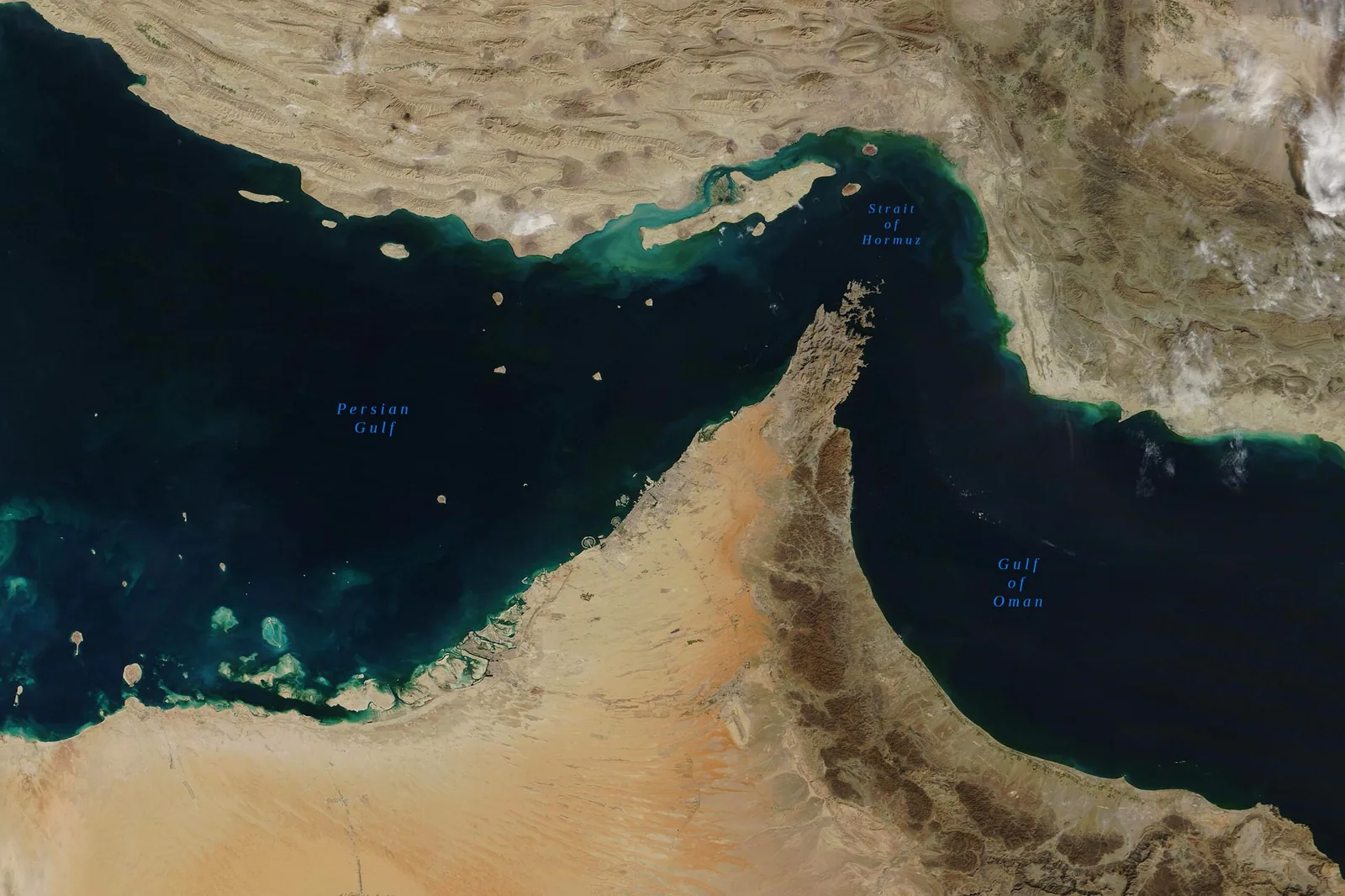
The Strait of Hormuz stands as a pivotal maritime chokepoint, connecting the Persian Gulf to the broader global shipping lanes. This narrow passage is indispensable for the transit of a substantial portion of the world’s seaborne oil, liquefied natural gas (LNG), and various other critical cargo. Its strategic significance makes it a constant focus for global energy markets and a barometer for regional geopolitical stability. The sheer volume of shipping traffic through this waterway offers key insights into the health of global trade, energy demand, and the prevailing security environment.
Read more GTA 6 launch postponed again?
Monitoring the total number of transit calls—encompassing container, dry bulk, roll-on/roll-off, general cargo, and tanker ships—provides a granular view of international commerce. The specific period under analysis, the week of September 7, 2026, typically falls outside major holiday disruptions, often reflecting more fundamental economic activity. This makes the data particularly valuable for understanding underlying trends rather than short-term anomalies.
The resolution for this event relies on data from IMF Portwatch, a recognized authority for global shipping statistics. This ensures a consistent and verifiable metric for assessing maritime traffic. Any notable deviation from expected transit volumes could signal shifts in global energy consumption, trade patterns, or heightened regional tensions, making this a closely watched indicator for analysts worldwide.
Candidate Analysis
When we look at recent developments and prevailing geopolitical factors, the most compelling argument supports the 30-34 ships transit range for the week of September 7. This projection is bolstered by several key observations from the past couple of weeks. For instance, the International Energy Agency’s (IEA) latest monthly report, published in early September, indicated a stable global oil demand outlook for the fourth quarter of 2026. This suggests a consistent, rather than dramatically fluctuating, level of tanker traffic through the Strait, aligning well with a moderate transit count.
Furthermore, recent assessments from maritime security experts highlight a period of relative calm in the Persian Gulf. While underlying geopolitical tensions involving Iran and other regional actors are always present, there have been no major escalations or disruptive incidents reported in the immediate vicinity of the Strait over the past two weeks. This absence of significant threats or diversions allows shipping companies to maintain predictable schedules, preventing sharp drops in transit calls that would push numbers into the “fewer than 20” or “20-24” categories. Shipping operators generally stick to established routes when security risks are perceived as manageable.
Comparing this to the adjacent ranges, the 25-29 ship category appears slightly less probable. While a minor slowdown could push numbers here, the current stability in global demand and regional security doesn’t strongly suggest a significant dip below the 30-ship mark. Conversely, the 35-39 ship range, while plausible, would likely necessitate a stronger surge in global trade or energy demand than currently projected by economic indicators. What remains uncertain is the potential for unforeseen, rapid shifts in geopolitical dynamics or sudden economic shocks, which could quickly alter shipping patterns.
Read more Bitcoin price on September 15?
Market Signals
The sentiment among participants strongly favors the 30-34 ship range, which currently holds the highest probability at 35.0%. This is followed by the 25-29 range at 26.0% and the 35-39 range at 22.75%. The substantial volume traded across these central categories, particularly for the 30-34 range, suggests a consensus forming around a moderate level of maritime activity. The lower ranges (fewer than 20, 20-24) and the higher range (40 or more) show considerably less support, indicating that extreme scenarios are not widely anticipated by those tracking the event.
Our Verdict
Considering the prevailing economic and geopolitical landscape, our assessment points to 30-34 ships transiting the Strait of Hormuz during the week of September 7, 2026. This conclusion is primarily driven by the observed stability in global energy demand and the absence of immediate, high-impact geopolitical disruptions in the Persian Gulf region. The IEA’s consistent outlook for Q4 2026 oil demand provides a solid foundation for expecting steady tanker traffic, which constitutes a significant portion of the total transit calls.
We maintain a medium level of confidence in this verdict. The core arguments rest on the continuation of current, stable trends in global trade and regional security. While the situation in the Strait of Hormuz is inherently sensitive to geopolitical shifts, the recent period has not presented any strong indicators for either a dramatic surge or a significant reduction in shipping volumes. The ongoing normalization of global supply chains, as noted by industry analysts, further supports a predictable, moderate flow of cargo vessels.
Several triggers could, however, alter this assessment. A sudden escalation of tensions in the Persian Gulf, such as naval incidents or renewed threats to shipping, would likely lead to diversions or delays, pushing transit numbers lower. Conversely, an unexpected, sharp increase in global oil demand or a major disruption to alternative shipping routes (e.g., in the Red Sea) could drive more traffic through Hormuz, potentially pushing the count into the 35-39 or even higher ranges. Finally, any significant, unforeseen global economic downturn could depress overall trade volumes, reducing the number of ships passing through this vital chokepoint.
Read more What price will Ethereum hit September 14-20?
Sources: