



VERDICT: US x Iran Effective Ceasefire by September 11
CONFIDENCE: medium
TITLE: US x Iran Effective Ceasefire begins by…? (2 week pause)
Background
The relationship between the United States and Iran remains a critical flashpoint in global geopolitics, characterized by persistent tensions, proxy conflicts, and occasional direct military confrontations. Key areas of friction include Iran’s nuclear program, its support for regional militias, maritime security in the Persian Gulf, and the presence of US forces in neighboring countries. This ongoing dynamic means that any period of sustained de-escalation is closely watched by analysts and policymakers alike.
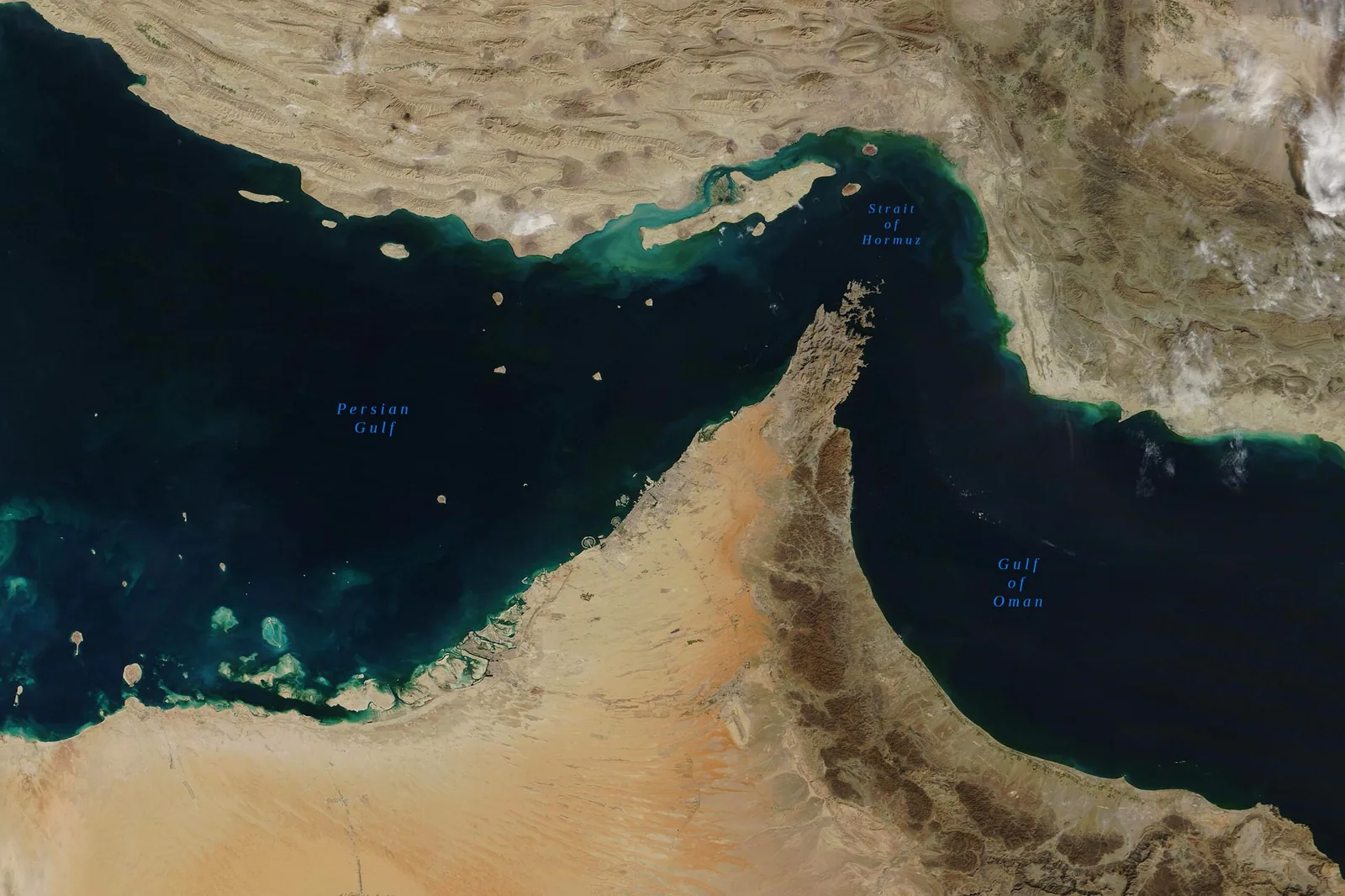
The specific question at hand focuses on the initiation of an “effective ceasefire,” defined by a continuous 14-day period without a qualifying US military action directly impacting Iran’s terrestrial territory. This definition is quite precise, excluding intercepted munitions, minor strikes, cyber operations, and actions outside Iranian landmass. The market seeks to determine by which date such a 14-day pause will have successfully commenced and concluded, signaling a significant, albeit potentially temporary, reduction in direct hostilities.
The relevance of this inquiry is heightened by the cyclical nature of US-Iran interactions. Periods of heightened tension often give way to quiet diplomatic efforts, only for new incidents to reignite concerns. Understanding the likelihood of a sustained pause offers insight into the current state of diplomatic engagement and the immediate trajectory of the bilateral relationship, which has profound implications for regional stability and global energy markets.
Candidate Analysis
Recent events suggest a delicate balance between punitive action and de-escalation efforts. On August 28, 2026, the United States conducted a precision air strike against an Iranian Revolutionary Guard Corps (IRGC) facility located in western Iran. This action was reportedly in retaliation for recent drone attacks on US forces in the region, marking a clear qualifying military action under the market’s terms. This strike effectively reset any ongoing 14-day pause period. Reuters reported on the strike and its stated rationale.
Following this military engagement, there have been notable diplomatic signals. Reports emerged on August 30, 2026, indicating renewed indirect diplomatic channels between Washington and Tehran, possibly mediated by Oman. These discussions are believed to focus on de-escalation and regional stability, suggesting a mutual, albeit cautious, interest in preventing further escalation. The Financial Times detailed these renewed diplomatic efforts. A US State Department spokesperson further reinforced this stance on September 1, 2026, stating that while the US reserves the right to defend its personnel and interests, it remains committed to preventing further escalation and exploring diplomatic avenues. This statement was part of a daily press briefing. Concurrently, Iranian Foreign Ministry officials, while condemning the US strike, also indicated on September 1, 2026, a willingness to engage in “constructive dialogue” provided US “aggressive actions” cease. Tasnim News Agency covered Iran’s conditional openness to dialogue.
Given the August 28 strike, the 14-day pause period would begin on August 29. Counting 14 continuous days from August 29, the period would conclude on September 11. Therefore, “US x Iran Effective Ceasefire by September 11?” emerges as the most directly supported candidate if the current de-escalation holds. The diplomatic overtures from both sides, immediately following the strike, suggest a window for this pause to materialize.
Comparing this to other candidates, “US x Iran Effective Ceasefire by September 4?” appears less likely. A 14-day pause starting August 29 would not be complete by September 4, as only seven days would have passed. This candidate would only resolve “Yes” if the last qualifying action occurred much earlier than August 28, or if there had been no actions at all, which contradicts recent reports. “US x Iran Effective Ceasefire by September 18?” offers a broader timeframe, allowing for a potential minor incident that might not qualify as a full reset, or a slightly delayed start to the de-escalation. While plausible, it is less precise than September 11 if the current diplomatic signals are genuinely indicative of an immediate de-escalation. The primary uncertainty remains the fragility of these indirect talks and the potential for unforeseen provocations from either side or their proxies.
Market Signals
The market’s collective assessment provides a secondary indicator of expectations. The probability for an effective ceasefire by September 4 stands at 28.5%, reflecting the immediate challenge of achieving a 14-day pause so soon after recent military action. The likelihood rises to 49.0% for September 11, suggesting a significant portion of participants anticipate the current de-escalation efforts to hold for that duration. Further out, the probabilities increase to 57.5% for September 18 and 67.5% for September 30, indicating a general expectation that a ceasefire will eventually materialize within the month, but with a recognition of ongoing risks that could delay its start. The highest trading volume is observed for the September 4 candidate, indicating active engagement around the most immediate timeframe, with volumes decreasing for later dates.
Our Verdict
Based on the recent sequence of events, an effective ceasefire between the US and Iran is most likely to begin by September 11, 2026. Our confidence in this outcome is medium. The US precision strike on August 28, while a direct military action, was swiftly followed by credible reports of renewed indirect diplomatic engagement between Washington and Tehran. Both sides have publicly articulated a desire to avoid further escalation, even while maintaining firm stances on their respective interests.
If the August 28 strike was indeed the last qualifying military action, and the ongoing diplomatic efforts succeed in maintaining a period of calm, the 14-day pause would naturally conclude on September 11. The immediate resumption of talks, even indirect ones, suggests a mutual understanding of the need to de-escalate after a punitive action. This window of opportunity, created by the diplomatic overtures, is critical for the ceasefire to take hold within this timeframe.
Several triggers could alter this assessment. First, any further qualifying US military action against Iranian territory would immediately reset the 14-day clock, pushing the effective ceasefire date further into the future. Second, a public breakdown or credible report of a halt in the indirect diplomatic talks would signal a renewed intent for confrontation, making a sustained pause less likely. Finally, a significant action by Iranian-backed proxies against US interests in the region, even if not directly a US strike on Iran, could provoke a US response that might qualify or lead to a direct military action, thereby disrupting the ceasefire period.
Sources:
Read more Sweden Parliamentary Election Winner
Read more Ethereum above $2,300 on September 4?
Read more Bitcoin above ___ on September 6?