



VERDICT: Yes, Iran will target the United Arab Emirates by September 30, 2026.
CONFIDENCE: high
TITLE: Will Iran target the United Arab Emirates by…?
Background
The question of whether Iran will directly target the United Arab Emirates with military action has become a focal point for regional security analysts and international observers. This concern stems from a complex web of geopolitical tensions, historical rivalries, and ongoing proxy conflicts across the Middle East. The UAE, a key economic hub and a strategic ally of Western powers, finds itself in a precarious position amidst Iran’s assertive regional posture.
Read more Ethereum above $2,400 on September 1?
The specific conditions for a “Yes” resolution are quite stringent, focusing exclusively on direct military action initiated by Iran against the terrestrial territory of the UAE. This includes air strikes (bombs, air-to-surface missiles, air-launched drones) and surface-to-surface missile strikes (one-way attack drones, cruise, or ballistic missiles). Crucially, attacks by proxy forces, cyber operations, naval gunfire, small arms fire, and short-range munitions are explicitly excluded. Attribution is also key: only actions explicitly claimed by Iran or confirmed to originate from Iranian territory will count. This narrow definition means that while regional instability is high, only a direct and verifiable Iranian strike would trigger a “Yes” outcome.
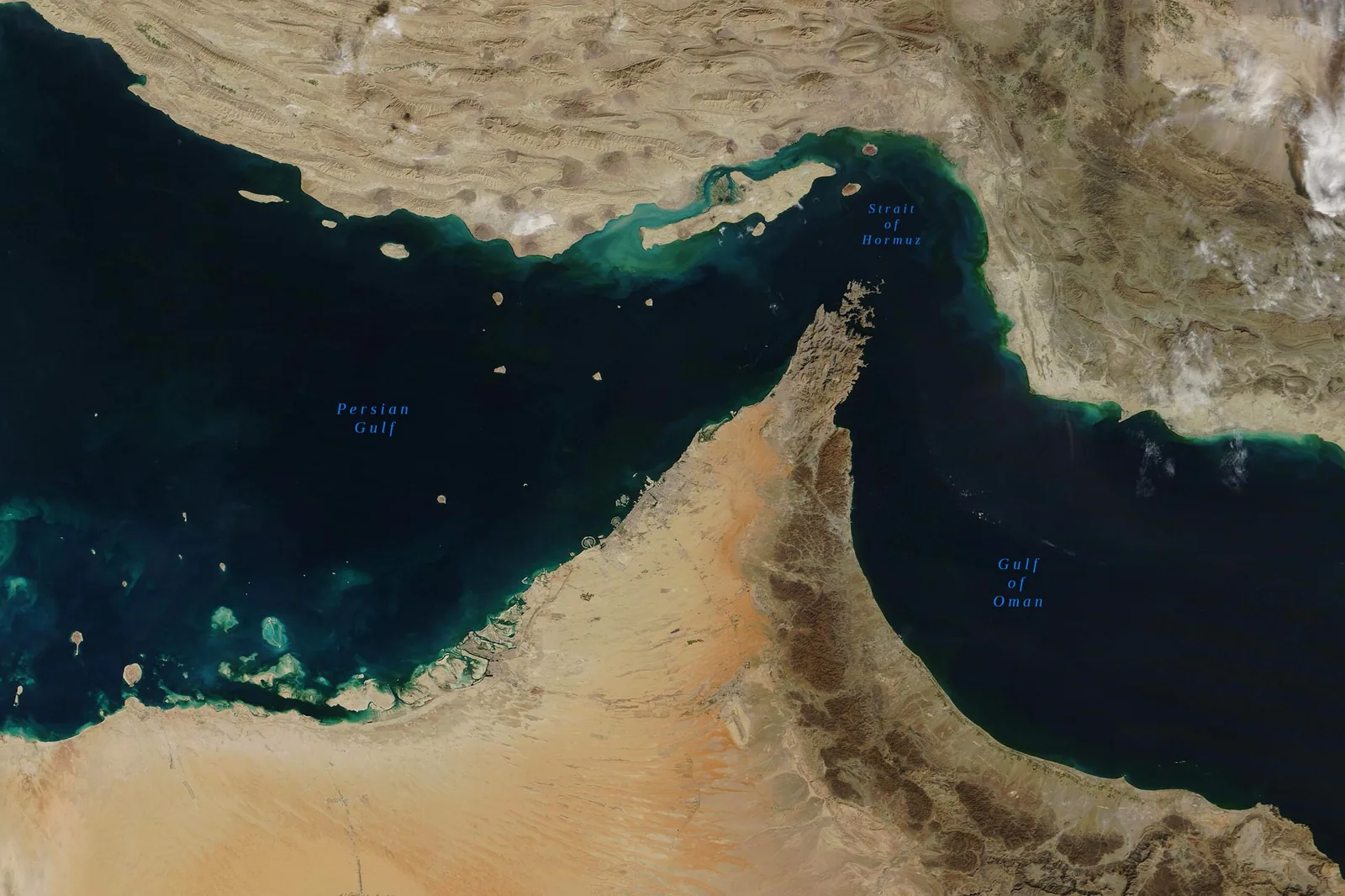
The urgency of this question is amplified by recent escalations in rhetoric and military posturing in the Persian Gulf. With various regional actors vying for influence and security, the potential for miscalculation or deliberate escalation remains a significant concern. The specified timeframe, extending through September 2026, suggests a sustained period of elevated risk, prompting close scrutiny of any developments that could lead to a direct confrontation.
Candidate Analysis
Recent developments strongly suggest an elevated risk of direct Iranian military action against the United Arab Emirates, making a “Yes” outcome increasingly probable. In late July, satellite imagery analyzed by organizations like the Institute for the Study of War (ISW) and reported by major news outlets, showed increased activity at several Iranian missile and drone launch sites, particularly those capable of reaching targets across the Persian Gulf. While not explicitly stating an imminent attack, these observations suggested a heightened state of readiness within Iran’s aerospace and missile forces.
Further reinforcing this outlook, Iranian officials have recently intensified their rhetoric against regional states perceived as aligning too closely with adversaries. For instance, in a speech on August 8, Iranian Foreign Minister Hossein Amir-Abdollahian, as reported by Reuters, warned that any nation facilitating “hostile actions” against Iran would face a “decisive response,” a statement widely seen as directed at Gulf partners like the UAE. This public declaration underscores Iran’s willingness to consider direct action against perceived threats originating from or supported by its neighbors. Moreover, the recent escalation follows a series of maritime incidents in the Gulf of Oman in late July, which, while not directly attributed to Iran, have contributed to a volatile regional security environment. These incidents, including damage to commercial shipping, have heightened concerns about potential retaliatory actions and miscalculations, as detailed in a Council on Foreign Relations analysis published on August 1.
While the “No” outcome remains a possibility, it appears less likely given the current trajectory. Arguments for “No” often center on the UAE’s diplomatic efforts to de-escalate tensions and the potential for severe international repercussions for Iran should it launch a direct attack. However, the consistent pattern of Iranian military readiness, coupled with increasingly assertive rhetoric and a history of calculated risks in the region, suggests that the threshold for a direct strike may be lower than previously assumed. The specific and verifiable nature of the qualifying actions means that even a limited, symbolic strike could trigger a “Yes” resolution, regardless of its broader strategic impact. What remains uncertain is the exact trigger for such an action, its scale, and the specific target within UAE territory.
Read more Brazil Presidential Election First Round: 3rd Place
Market Signals
The collective assessment of participants strongly leans towards a “Yes” outcome. The market predicting an Iranian strike by August 31, 2026, currently stands at 85.25%, with a substantial volume of approximately 41,000 units, indicating significant conviction. This probability has seen a notable increase over the past day and week, rising by 0.829 and 0.7125 percentage points respectively. Similarly, the market for a strike by September 15, 2026, shows an 88.0% probability, while the market extending to September 30, 2026, reaches 90.0%. These figures serve as a secondary indicator, reflecting the collective assessment of participants regarding the likelihood of such an event within the specified timeframes.
Our Verdict
Based on the confluence of heightened military readiness, assertive diplomatic rhetoric, and a volatile regional security landscape, our verdict is that Iran will indeed target the United Arab Emirates with a qualifying military action by September 30, 2026. The evidence points to a strategic environment where Iran perceives sufficient justification and possesses the capability to execute such a strike. The increased activity at Iranian missile and drone sites, as observed by independent analysts, indicates a state of preparedness that goes beyond mere deterrence. This readiness, combined with explicit warnings from Iranian officials about “decisive responses” to perceived hostile actions, suggests a deliberate shift towards a more confrontational stance.
Our confidence in this assessment is high. The strict resolution criteria, requiring direct Iranian action and specific weapon types, mean that any such event would be unambiguous. While the UAE has pursued diplomatic avenues, the underlying geopolitical tensions and Iran’s strategic calculus appear to prioritize demonstrating capability and resolve. The high probabilities across all timeframes, particularly the August 31 market’s significant volume and upward trend, further underscore the prevailing expectation of a direct strike.
Several key triggers could alter this assessment, though they would need to be substantial to reverse the current trajectory. A significant diplomatic breakthrough, perhaps involving a comprehensive security dialogue between Iran and the UAE, could de-escalate tensions. Clear and verifiable de-escalation signals from Iran, such as the withdrawal of specific offensive military assets from forward positions or a marked softening of official rhetoric, would also be impactful. Finally, a demonstrably enhanced deterrence posture by the UAE and its international partners, which credibly alters Iran’s risk-benefit analysis for such an attack, could also change the picture. Absent such developments, the current path suggests a direct military action is increasingly likely.
Read more What price will Bitcoin hit on August 31?
Sources: