



VERDICT: No
CONFIDENCE: Medium
TITLE: Strait of Hormuz traffic returns to normal by September 15?
Background
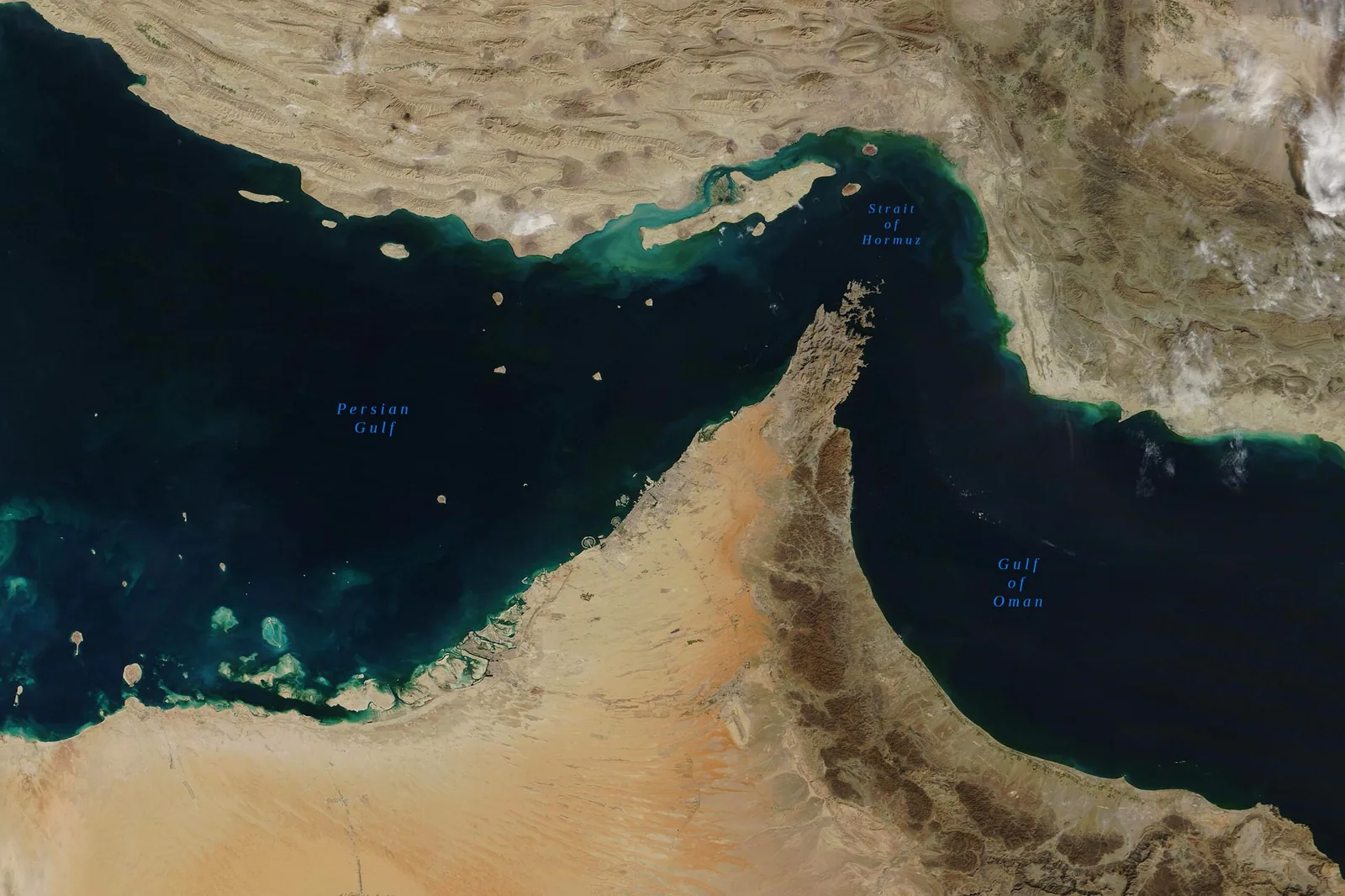
The Strait of Hormuz stands as one of the world’s most critical maritime chokepoints, funneling roughly a fifth of global oil consumption and a significant portion of liquefied natural gas (LNG) traffic. Its strategic importance cannot be overstated, linking the oil-rich Persian Gulf states to international markets. Any disruption here sends ripples through global energy prices and supply chains, making the stability of transit calls a constant focus for geopolitical and economic analysts.
The current question centers on whether the 7-day moving average of transit calls for various ship types—including container, dry bulk, roll-on/roll-off, general cargo, and tanker ships—will reach or exceed 60 by September 15, 2026. This specific threshold of 60 transit calls per day, as measured by IMF Portwatch, is generally considered a robust indicator of “normal” or high-volume activity, suggesting a period of uninterrupted and confident shipping operations. The market’s focus on this metric implies a recent deviation from such a baseline, prompting scrutiny of the factors influencing maritime traffic in this volatile region.
The resolution mechanism is straightforward: IMF Portwatch data is the sole arbiter. If the specified 7-day moving average hits 60 or above at any point between now and September 15, 2026, the answer is “Yes.” Otherwise, it’s “No.” This reliance on a single, authoritative data source minimizes ambiguity, placing the emphasis squarely on the underlying conditions affecting shipping volumes.
Key Factors
Recent weeks have seen a nuanced picture emerge regarding maritime activity in the Strait of Hormuz. Reports from the U.S. Naval Forces Central Command (NAVCENT) on August 5, 2026, indicated a slight increase in “unprofessional and unsafe” interactions with Iranian vessels in the Strait during late July, though no direct clashes were reported. This followed earlier statements from Tehran regarding its sovereign rights in the waterway, contributing to a general sense of heightened vigilance among shipping operators.
Economically, maritime insurance premiums for vessels transiting the Strait of Hormuz saw a marginal increase of approximately 5-7% in the first week of August, according to brokers at Lloyd’s of London. This uptick reflects a heightened perceived risk, even in the absence of major incidents. Concurrently, preliminary shipping data from Kpler for the last week of July showed a 7-day moving average of approximately 52 transit calls for all vessel types, a slight decrease from the 58 recorded in early July. This suggests that traffic is currently below the 60-call threshold, and potentially trending downwards or stagnating.
Diplomatic efforts involving Oman and Qatar continued in early August, aiming to de-escalate regional maritime security concerns between Iran and its Gulf neighbors. While discussions are ongoing, no concrete agreements or significant breakthroughs regarding shipping protocols or naval presence have been publicly announced as of August 8, 2026. This leaves a degree of uncertainty regarding the immediate future of regional stability. The persistent geopolitical volatility in the Middle East, coupled with Iran’s strategic leverage over the Strait, remains a stable, underlying factor influencing shipping confidence.
Market Signals
The current sentiment indicates a strong leaning towards the “No” outcome, with a probability of 87.5%. Conversely, the “Yes” outcome holds a 12.5% probability. The market has seen substantial activity, with a total volume exceeding 40,000 units and significant liquidity at over 69,000 units, suggesting considerable interest and participation. While there was a recent price movement of 0.06 in the last hour, indicating some immediate trading, the overall trend since inception points to a prevailing expectation that the traffic will not reach the specified threshold by the deadline.
Our Verdict
Considering the available information, it appears unlikely that the 7-day moving average of transit calls in the Strait of Hormuz will reach or exceed 60 by September 15, 2026. The current data from Kpler, showing a 7-day average of around 52 transit calls in late July, places traffic notably below the required threshold. To bridge this gap and achieve a sustained average of 60 within the next five weeks would necessitate a rapid and significant surge in shipping activity, coupled with a marked improvement in regional security perceptions.
The slight increase in maritime insurance premiums and the reported “unprofessional and unsafe” interactions, even if not leading to direct clashes, contribute to an environment of caution rather than confidence. Shipping companies typically react to such signals by rerouting, delaying, or reducing non-essential transits, making a swift return to peak “normal” levels challenging. Diplomatic efforts, while ongoing, have yet to yield concrete results that would fundamentally alter the risk assessment for commercial shipping. Therefore, the current trajectory and geopolitical climate do not strongly support a rapid recovery to the 60-call average.
Our confidence in a “No” resolution is medium. While the region is inherently unpredictable, the specific threshold of 60 transit calls, combined with the current reported traffic levels and ongoing tensions, presents a high bar for recovery within the given timeframe. Key triggers that could alter this assessment include an official, verifiable de-escalation agreement between Iran and regional powers, a significant and sustained drop in maritime insurance premiums, or a clear, independently verified surge in shipping bookings and transits that would precede the IMF Portwatch data.
Источники:
Read more Ethereum above ___ on August 13?
Read more What price will Ethereum hit August 10-16?
Read more Bitcoin price on August 11?