




The crude oil market is currently navigating a complex tug-of-war between aggressive supply management from major producers and a cooling global demand outlook. As we look toward the end of March, the primary question isn’t just about where oil is trading today, but whether the official CME settlement price for the front-month contract will touch specific price ceilings or floors at any point during the trading month.
Read more New Supreme Leader of Iran by…?
Recent Developments and Market Drivers
Over the last 14 days, several critical factors have solidified the current price trajectory. First, OPEC+ made the strategic decision to delay its planned production increase. Originally set to begin rolling back 2.2 million barrels per day of voluntary cuts in December, the group has pushed this timeline back to at least the start of 2025. This move signals a firm commitment to defending price levels against a perceived surplus. You can read the details of that decision here: OPEC+ Delays Output Hike.
Second, the International Energy Agency (IEA) recently released its November report, which paints a sobering picture for the coming year. The agency projects a global oil surplus of over 1 million barrels per day in 2025, driven largely by lackluster demand growth in China and surging production from non-OPEC nations like the U.S., Brazil, and Guyana. This forecast acts as a heavy anchor on long-term bullish sentiment. The full report is available at: IEA Oil Market Report – November 2024.
Finally, the U.S. Department of Energy (DOE) continues its steady replenishment of the Strategic Petroleum Reserve (SPR). By consistently purchasing oil when prices dip toward the $70 range, the U.S. government has effectively created a “soft floor” for West Texas Intermediate (WTI), preventing a total collapse in prices even when demand signals are weak.
The Case for the $80 Threshold
Among the various price targets, the $80 (High) mark stands out as the most balanced expectation for the end of March. Why? Because it only requires a moderate “risk event” or a seasonal demand uptick to trigger a single daily settlement at this level. While the market faces a surplus in 2025, the first quarter often sees a shift in sentiment as refineries prepare for the summer driving season.
Read more GPT-5.3 released by…?
Here’s the thing: hitting $80 doesn’t require oil to stay there; it only requires one official CME settlement at or above that price. Given the ongoing geopolitical friction in the Middle East, which continues to simmer despite the lack of direct energy infrastructure damage, a brief “fear spike” could easily push WTI from the low $70s to $80. The combination of OPEC+ discipline and the U.S. SPR floor makes a move toward $80 much more plausible than a sustained drop into the $60s.
Comparing the Alternatives
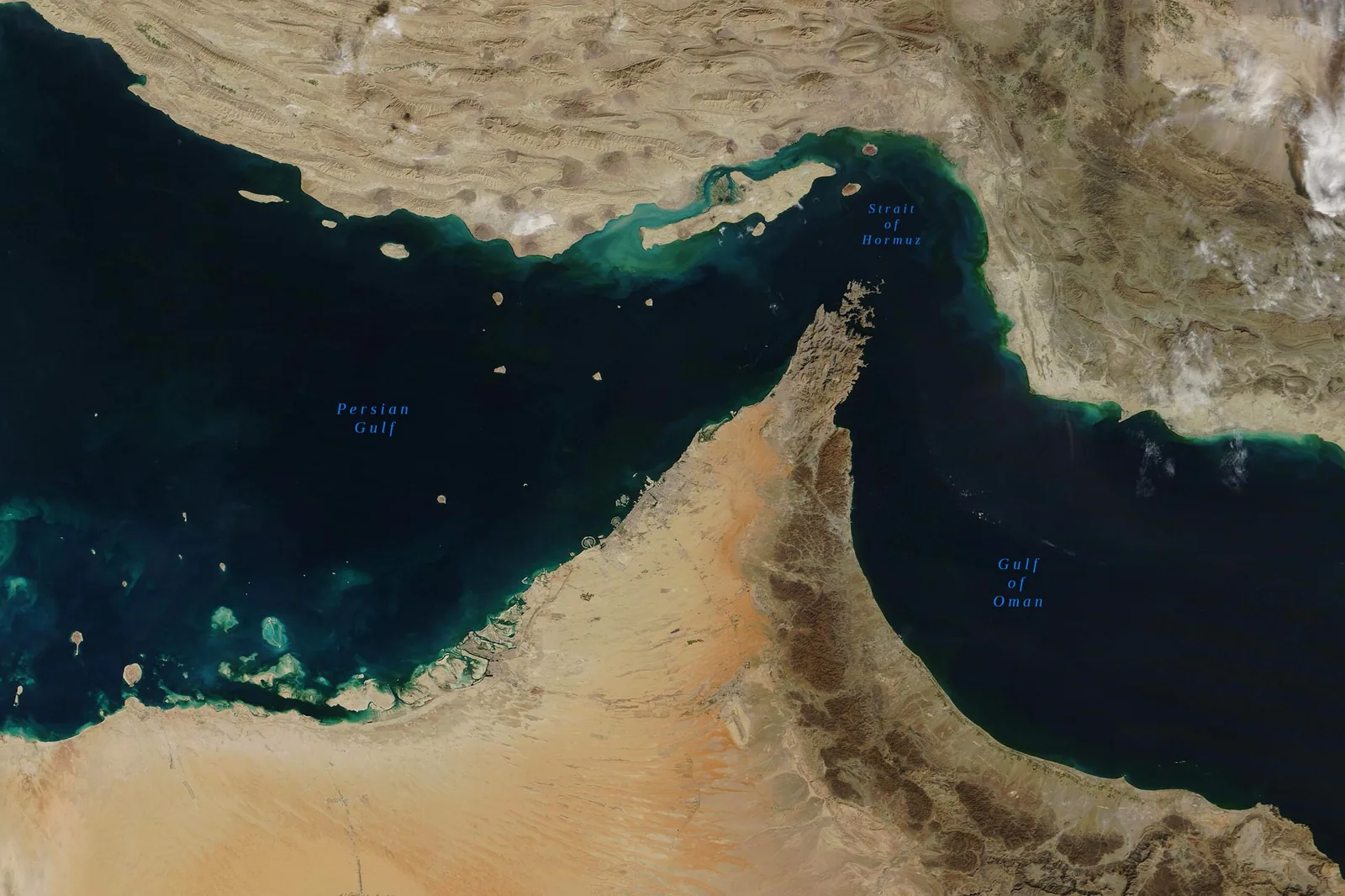
Looking at the $90 or $100 targets, the path becomes significantly steeper. For oil to settle at $90, the market would need a major supply disruption—something on the scale of a closed Strait of Hormuz or a total cessation of Iranian exports. Without a “black swan” event, the IEA’s projected surplus makes $90 a difficult ceiling to crack. On the flip side, the $65 (Low) target seems unlikely because OPEC+ has shown it is willing to sacrifice market share to keep prices from sliding that far. They have the “taps” ready to close further if the $70 support level is seriously threatened.
Market Sentiment and Liquidity
Current data shows a very high level of confidence in the $75 target, with expectations sitting near 96.8%. The $80 target remains highly active with a probability of 83% and significant liquidity, suggesting it is the primary “battleground” for analysts. Meanwhile, the $90 target has seen its probability fluctuate around 46.5%, reflecting the deep uncertainty regarding geopolitical escalations. Volume is concentrated heavily in the $75 to $90 range, while the extreme lows ($40 or $60) show very little activity, indicating they are viewed as tail risks rather than baseline scenarios.
Read more Bitcoin above ___ on March 4?
Sources :