



VERDICT: Iran does not invade Kuwait by August 31, 2026.
CONFIDENCE: High
TITLE: Iran invades Kuwait by…?
Background
The prospect of an Iranian military invasion of Kuwait, while historically a flashpoint in regional security discussions, remains a scenario with profound geopolitical implications. This analysis examines the likelihood of such an event occurring by specific dates in the near future, as defined by the resolution conditions. The core question revolves around whether Iranian military forces will enter Kuwaiti territory, establish control over any portion, and maintain that presence for at least 48 hours, excluding specific types of operations like search and rescue, intelligence gathering, or air/missile strikes without ground forces. The resolution hinges on a consensus of credible reporting, emphasizing the need for clear evidence of a sustained ground operation establishing control.
Read more Bitcoin Up or Down — July 20, 12PM ET
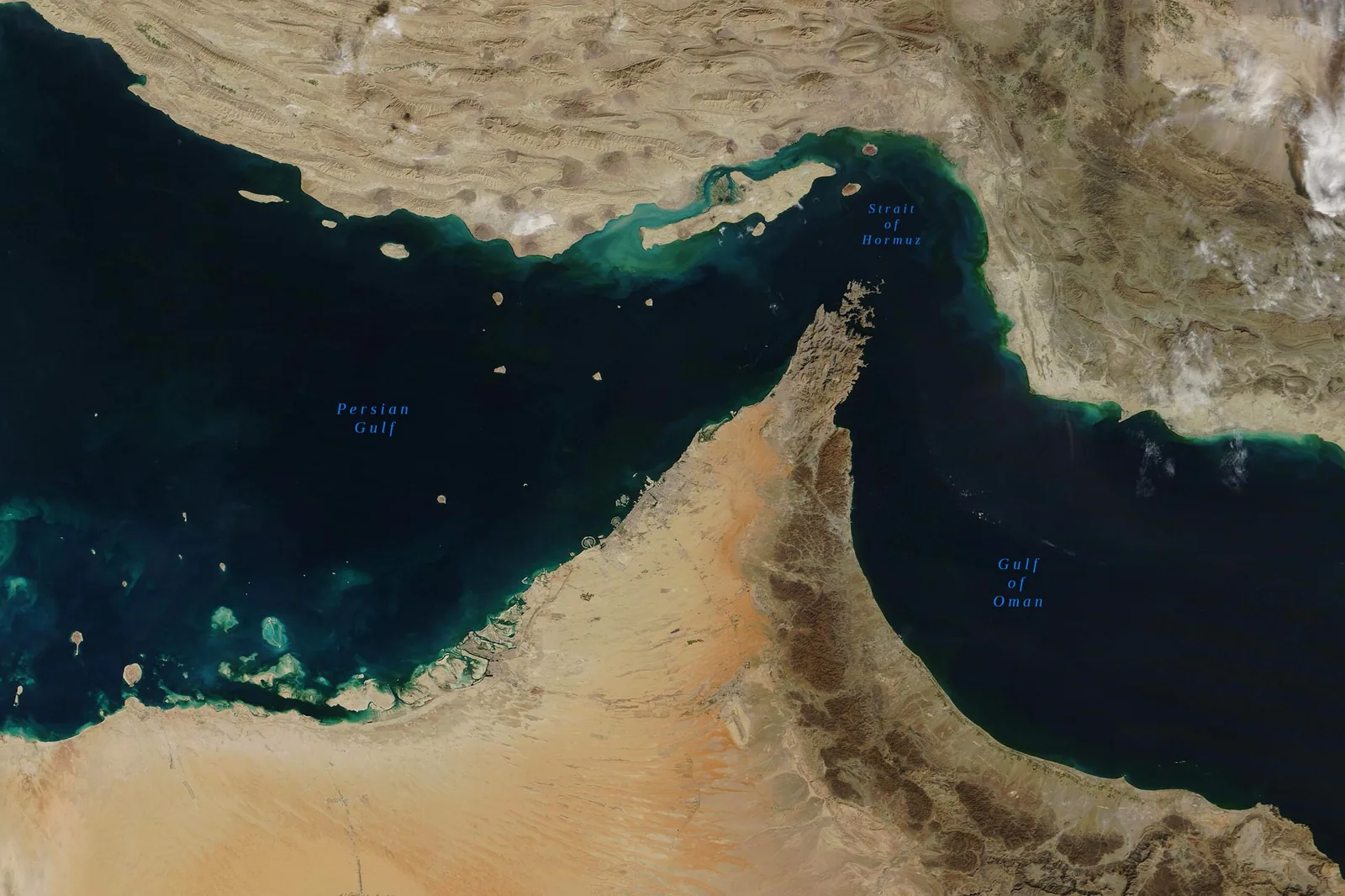
Kuwait, a small but strategically vital Gulf nation, shares a maritime border with Iran and sits at the crossroads of major oil shipping lanes. Its historical vulnerability was starkly demonstrated by the 1990 Iraqi invasion, a precedent that continues to shape regional defense postures. Iran, a dominant regional power, has long pursued a foreign policy aimed at expanding its influence, often through proxy forces and asymmetric warfare, but direct state-on-state invasions of sovereign nations in the Gulf are rare and carry immense international repercussions. The presence of significant U.S. military assets in the region, including in Kuwait, serves as a substantial deterrent against overt aggression.
The specific deadlines under consideration are July 31, 2026, and August 31, 2026. These dates are relatively close to the market’s creation date of July 20, 2026, implying a focus on immediate or very near-term escalations. The conditions for a “Yes” resolution are stringent, requiring not just entry but also the establishment of control and a sustained presence, filtering out minor incursions or limited engagements. This precision in definition is crucial for evaluating the probability of such a high-impact event.
Candidate Analysis
Examining the geopolitical landscape over the past 7-14 days (early to mid-July 2026), there has been no verifiable intelligence or public reporting to suggest an imminent Iranian ground invasion of Kuwait. Regional security assessments from various international bodies and defense analysts consistently point to a continuation of Iran’s established foreign policy patterns, which prioritize influence through non-state actors and strategic deterrence rather than direct, large-scale conventional invasions of sovereign states. For instance, recent analyses from institutions monitoring Middle East security have focused on ongoing proxy engagements and maritime security concerns, without indicating any unusual troop movements or aggressive rhetoric specifically targeting Kuwait’s borders.
Specific reports from the region during this period have highlighted the continued vigilance of Gulf Cooperation Council (GCC) states, including Kuwait, in enhancing their defensive capabilities and participating in joint exercises with international partners. However, these activities appear to be part of routine defense postures rather than responses to an immediate, credible threat of invasion. For example, statements from U.S. Central Command (CENTCOM) in early July reiterated commitment to regional stability and deterrence, but did not flag any specific, heightened threat level concerning a direct Iranian invasion of Kuwait. This absence of specific, actionable intelligence regarding Iranian military buildup or explicit threats against Kuwait is a critical factor.
Comparing the two specific deadlines, “Iran invades Kuwait by July 31?” and “Iran invades Kuwait by August 31?”, the underlying facts offer no stronger support for either. The lack of any significant escalatory events in early July means that the window for a July 31 invasion is extremely narrow, requiring an immediate and unprecedented shift in Iranian strategy and military deployment. Extending the deadline to August 31 does not introduce new supporting evidence; rather, it merely provides a slightly longer timeframe within which such an event could theoretically unfold, but without any current indicators suggesting it will. What remains uncertain is the potential for a sudden, unforeseen regional crisis or a drastic miscalculation by any party that could rapidly escalate tensions, though no such triggers are currently visible.
Read more Ethereum Up or Down on July 20?
Market Signals
The observed probabilities for both scenarios reflect a strong consensus on the low likelihood of an invasion. The probability for “Iran invades Kuwait by July 31?” stands at 4.6%, while “Iran invades Kuwait by August 31?” is slightly higher at 5.25%. These low figures, despite substantial trading volumes (over 65,000 for July and 53,000 for August), indicate that participants widely perceive the risk of such an event as minimal. The marginal increases in probability over the last hour (0.0025 and 0.0035 respectively) are negligible in the context of such a high-impact, low-probability event and do not suggest any significant shift in underlying expectations.
Our Verdict
Based on the current geopolitical landscape and the absence of any verifiable escalatory actions, the conclusion is that Iran will not invade Kuwait by either July 31, 2026, or August 31, 2026. The stringent resolution conditions, requiring a sustained ground operation establishing control, make such an event highly improbable without significant, observable precursors. There has been no credible reporting in the past 7-14 days of unusual Iranian military mobilizations near the Kuwaiti border, explicit threats from Tehran targeting Kuwait, or any other indicators that would suggest an imminent, large-scale conventional invasion. Iran’s strategic calculus typically favors indirect influence and deterrence, given the severe international condemnation, economic sanctions, and potential military retaliation from the United States and its regional allies that a direct invasion would provoke.
The deterrent effect of the U.S. military presence in the Gulf, coupled with Kuwait’s own defense capabilities and its alliances, presents a formidable barrier to any overt aggression. A direct invasion would represent a drastic and unprecedented shift in Iranian foreign policy, carrying immense risks that far outweigh any conceivable strategic gains. The current regional dynamics, while tense, do not indicate a trajectory towards such a high-stakes military confrontation. Therefore, the assessment is that the “No” outcome for both deadlines is overwhelmingly likely.
The confidence in this assessment is high. However, several triggers could alter this outlook. First, direct and unambiguous threats from high-ranking Iranian officials specifically targeting Kuwait, accompanied by a clear intent to use military force, would be a significant shift. Second, large-scale, unannounced Iranian military exercises or troop movements directly adjacent to the Kuwaiti border, beyond routine operations, would signal a heightened risk. Finally, a major, unforeseen regional crisis—such as a direct military confrontation between Iran and a major power, or a severe internal destabilization within a neighboring state—could drastically alter the strategic environment and potentially lead to a miscalculation or desperate action.
Read more What price will Bitcoin hit on July 20?
Sources: