




VERDICT: US announces end of Iranian blockade by August 31, 2026
CONFIDENCE: medium
TITLE: US announces end of Iranian blockade by…?
Background
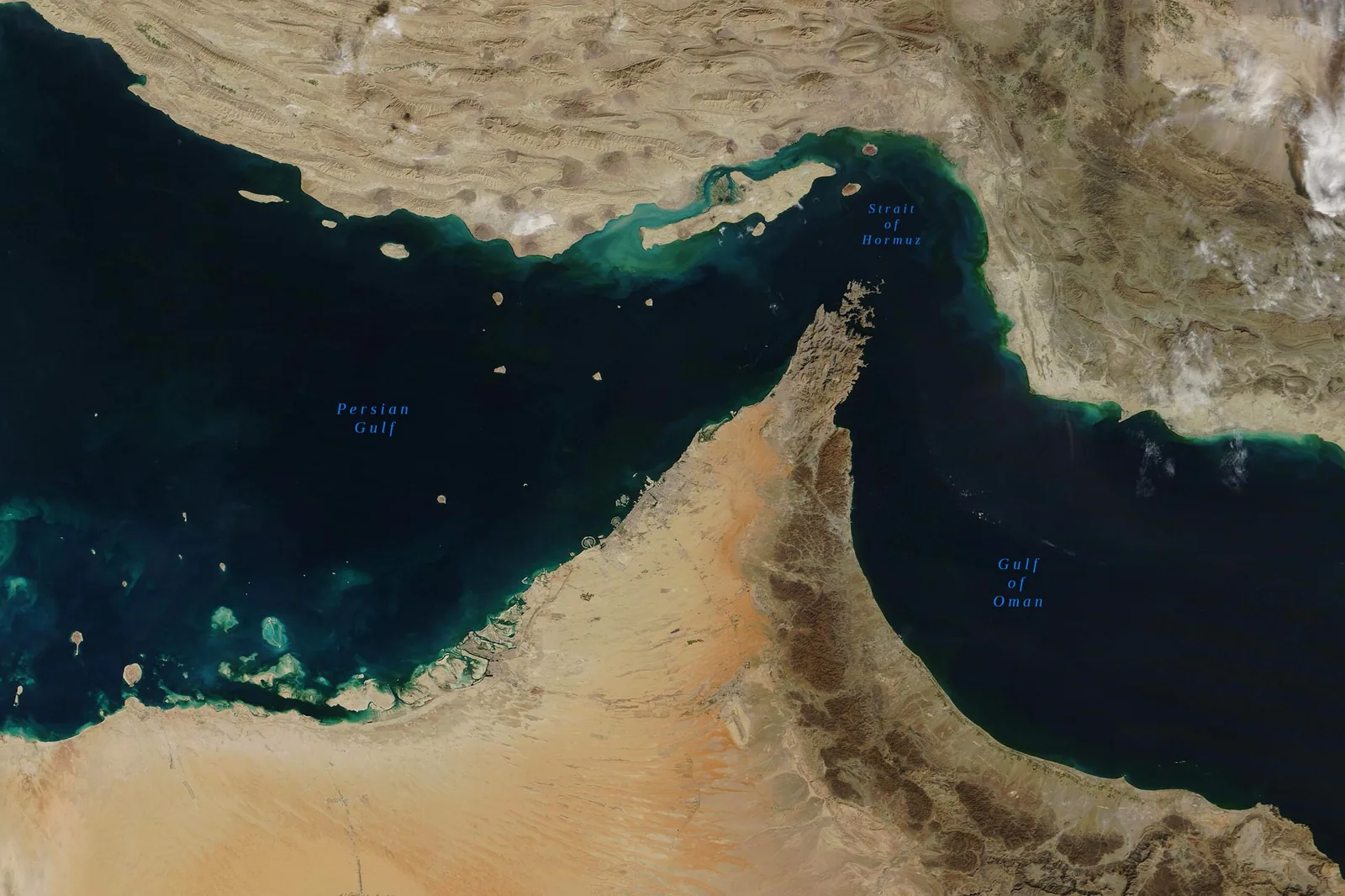
On July 13, 2026, President Trump made a significant foreign policy move, announcing the United States would reinstate its naval blockade of Iran. This action targets Iranian ships and their customers, aiming to disrupt the flow of goods and oil, presumably to exert maximum pressure on Tehran over its nuclear program and regional activities. Such a blockade represents a severe escalation, carrying substantial geopolitical and economic implications, particularly for global energy markets and maritime trade routes in the Persian Gulf.
The immediate aftermath of this announcement has seen a flurry of diplomatic activity and international reactions. The question now is whether this blockade will be a short-lived pressure tactic leading to a swift resolution, or if it signals a prolonged period of heightened tensions. For the blockade to officially end, the United States government, or an authorized representative, must publicly and officially announce its termination, lifting, or suspension. This announcement must clearly communicate a general cessation of blocking vessel traffic for Iranian ships and customers, even if some minor restrictions remain.
The timeframe for such an announcement is critical, with various deadlines under consideration, ranging from days to weeks after the initial imposition. The resolution hinges on a declarative statement of the US government’s present decision to end or suspend the blockade, not merely a prospective or conditional one. This means any diplomatic breakthrough or policy shift must be concrete and officially communicated through established channels by August 31, 2026, 11:59 PM ET.
Candidate Analysis
The past week has been dominated by the fallout from President Trump’s July 13 announcement of the Iranian naval blockade. This move immediately triggered a wave of international reactions and diplomatic maneuvering, shaping expectations for how long this new policy might endure.
On July 13, 2026, President Trump officially announced the reinstatement of a naval blockade against Iran, citing escalating nuclear activities and regional destabilization. The announcement, made from the Oval Office, detailed measures to intercept Iranian vessels and those trading with Iran, marking a significant shift in US policy. Two days later, between July 15 and 17, European leaders, including French President Macron and German Chancellor Scholz, issued strong condemnations, urging de-escalation and expressing concerns over global oil supply disruptions. China and Russia also voiced opposition, calling for diplomatic solutions, highlighting the broad international disapproval. Iran’s initial response was defiant; on July 19, Iranian Foreign Minister Hossein Amir-Abdollahian declared the blockade an act of economic warfare and vowed a “firm and crushing response,” without specifying details, while reports from Tehran indicated increased military readiness in the Persian Gulf. More recently, on July 21, unconfirmed reports from diplomatic sources in Muscat suggested that Omani mediators were actively engaged in shuttle diplomacy between Washington and Tehran, attempting to establish a framework for de-escalation talks. Neither the US State Department nor Iran’s Foreign Ministry has officially confirmed these reports.
Considering these developments, the most plausible outcome is an announcement of the blockade’s end by August 31, 2026. President Trump’s administration typically employs such high-pressure tactics to extract significant concessions, and a rapid reversal without achieving clear objectives seems unlikely. While international pressure is mounting and back-channel diplomacy is reportedly underway, the complex nature of US-Iran relations and the gravity of a naval blockade suggest that any meaningful diplomatic breakthrough would require more than a few days or even a couple of weeks. The process of negotiation, even under duress, takes time to yield results that both sides can present as a win.
Comparing this with earlier deadlines, an announcement by July 14, 2026, or July 24, 2026, appears highly improbable. These dates would imply an almost immediate reversal or an exceptionally swift diplomatic capitulation, neither of which aligns with the current posturing of either Washington or Tehran. An announcement by July 31, 2026, while more plausible than the earlier dates, still feels ambitious. It would necessitate a rapid and decisive diplomatic breakthrough within two weeks of the blockade’s imposition, which is a tight window for such a high-stakes issue. The August 15, 2026, deadline presents a stronger alternative, suggesting a resolution within a month. This is certainly possible if the reported Omani mediation gains traction quickly or if the economic impact of the blockade forces a faster re-evaluation from either side. However, the broader August 31 timeframe allows for a more realistic progression of initial posturing, sustained diplomatic efforts, and the eventual crafting of a mutually acceptable off-ramp. What remains uncertain is the true extent of the ongoing back-channel communications and the specific demands each side is making, which could either accelerate or prolong the current standoff.
Market Signals
The current sentiment reflected in the market data indicates a strong expectation for a resolution by the end of August. The “US announces end of Iranian blockade by August 31, 2026” market shows the highest probability at 53.5%, with significant trading volume. This suggests that participants anticipate a diplomatic process that extends over several weeks. The next most favored outcome is “US announces end of Iranian blockade by August 15, 2026” at 34.0%, indicating a substantial belief in a resolution occurring mid-August. Earlier dates, such as “US announces end of Iranian blockade by July 31, 2026” at 18.5% and “US announces end of Iranian blockade by July 24, 2026” at 8.5%, show considerably lower probabilities, reflecting skepticism about a very rapid conclusion to the blockade. The extremely low probability for “US announces end of Iranian blockade by July 14, 2026” at 0.45% underscores the unlikelihood of an immediate reversal.
Our Verdict
Based on the current geopolitical landscape and the nature of the US administration’s foreign policy approach, we assess that an announcement of the end of the Iranian blockade is most likely to occur by August 31, 2026. The imposition of a naval blockade is a significant, high-leverage move designed to compel a specific outcome from Iran. It is improbable that such a measure would be reversed quickly without substantial concessions from Tehran or a clear diplomatic victory for Washington. The initial international condemnation and Iran’s defiant stance suggest that both sides are entrenched, requiring a more extended period for diplomatic pressure to yield results.
Our confidence in this assessment is medium. While the blockade is a powerful tool, the complexity of US-Iran relations and the potential for unintended escalation mean that a resolution, if it comes, will likely be the result of sustained, high-stakes negotiations. The reported back-channel diplomacy, while unconfirmed, points to efforts to de-escalate, but such processes are rarely swift. The August 31 deadline provides sufficient time for initial posturing to evolve into serious talks, allowing for the intricate details of a potential agreement to be hammered out and officially announced.
Several key triggers could alter this assessment. First, an official confirmation of high-level, direct talks between US and Iranian officials, especially if a clear agenda is set, could significantly accelerate the timeline. Second, a verifiable and substantial concession from Iran regarding its nuclear program or regional activities could prompt a quicker US response to lift the blockade. Conversely, an escalation of tensions, such as a military incident in the Persian Gulf or further aggressive moves by either side, could derail diplomatic efforts and entrench positions, making an early end to the blockade less likely. Finally, if the blockade causes severe and immediate economic distress to key US allies or global markets, it could increase pressure on the US to find a quicker resolution, potentially pushing the announcement to an earlier date in August.
Sources:
Read more Which company has the third best AI model end of July?
Read more What price will Ethereum hit on July 14?
Read more Israel x Lebanon diplomatic meeting by…?