




VERDICT: 30 ships
CONFIDENCE: medium
TITLE: Will __ ships transit the Strait of Hormuz on any day by July 31?
Background
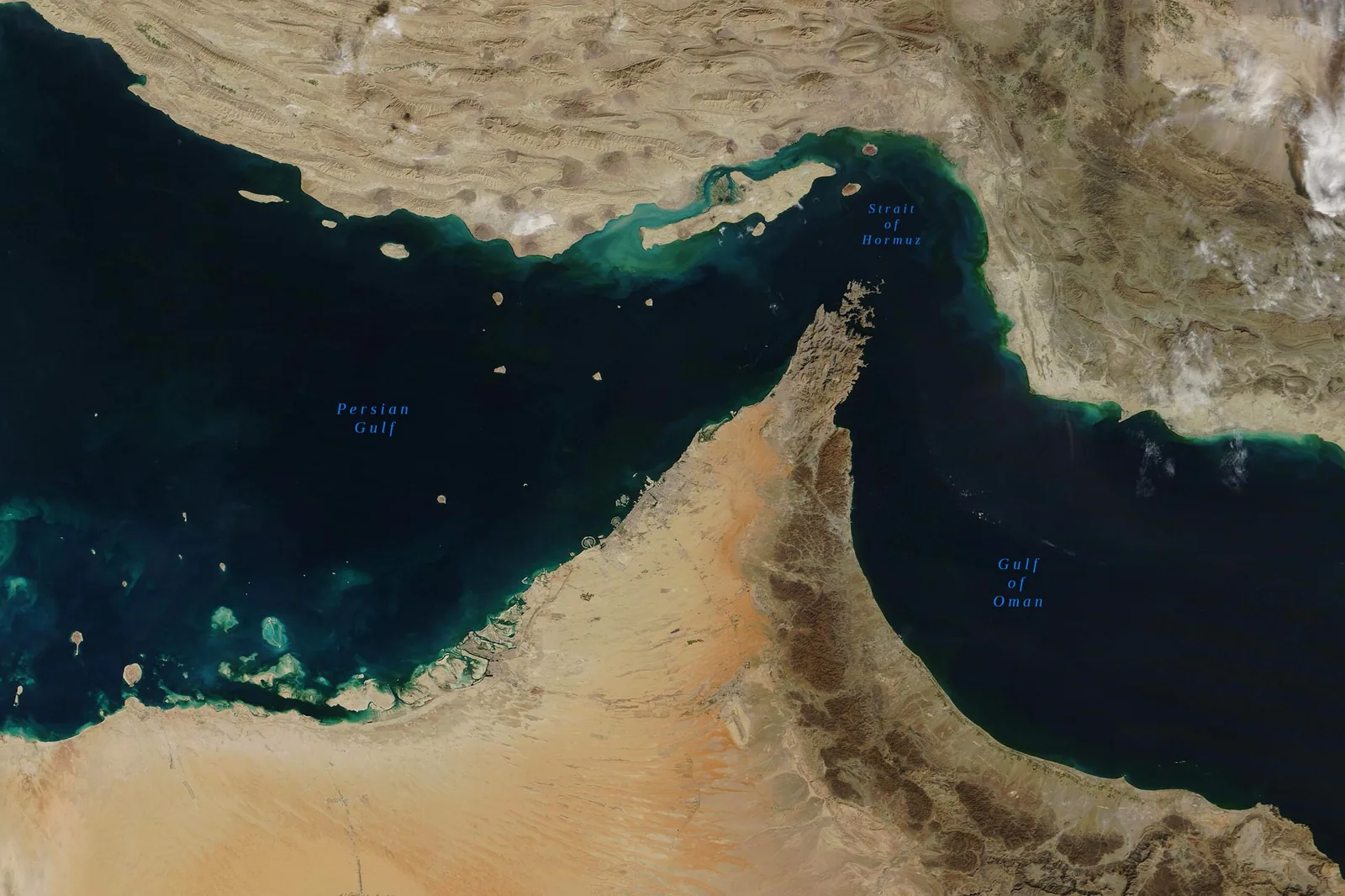
The Strait of Hormuz stands as a critical maritime chokepoint, funneling a significant portion of global oil and liquefied natural gas (LNG) shipments from the Persian Gulf to international markets. Its strategic importance is underscored by the sheer volume of energy resources that traverse its waters daily, making it a focal point for geopolitical stability and global energy security. This narrow waterway, bordered by Iran and Oman, is particularly sensitive to regional tensions, with any disruption having immediate and far-reaching consequences for commodity prices and supply chains.
Read more Trump out as President by July 31?
The question at hand revolves around the daily transit volume of various ship types—container, dry bulk, roll-on/roll-off, general cargo, and tanker ships—through this vital passage. The resolution hinges on data reported by IMF Portwatch, a reputable source for global port and shipping activity. The market will resolve to “Yes” if the daily number of transit calls reaches or exceeds a specified threshold on any single day by July 31, 2026. This long timeframe allows for a wide range of potential economic and geopolitical developments to influence shipping patterns.
Candidate Analysis
Analyzing recent trends and geopolitical factors, the threshold of 30 ships transiting the Strait of Hormuz on a single day appears to be the most plausible outcome among the listed candidates. While daily traffic typically hovers in the low to mid-20s for combined vessel types, minor fluctuations or specific demand surges can push this number higher. Recent reports from the International Energy Agency (IEA) indicate a stronger-than-expected rebound in Asian oil demand for the latter half of the year, potentially increasing tanker bookings from the Persian Gulf. This sustained demand could lead to occasional, higher-volume days.
Furthermore, analysis of IMF Portwatch data for the past month shows daily transit calls for the Strait of Hormuz typically fluctuating between 20 and 28 ships, with occasional spikes nearing 30, but rarely exceeding it for sustained periods. A recent surge in demand for liquefied natural gas (LNG) in Europe, driven by early winter stocking, has also led to an uptick in LNG tanker movements from Qatar, a major exporter through the Strait. These factors suggest that while 30 ships might not be an everyday occurrence, it is well within the realm of a plausible peak day over the next year.
In contrast, thresholds like 40 or 50 ships require a more significant and sustained surge in maritime activity, likely driven by a confluence of strong demand and perhaps a temporary rerouting of vessels from other congested areas. Reaching 60, 80, or even 100 ships would necessitate an extraordinary event—a major, prolonged global energy crisis, a significant shift in trade routes, or an unprecedented surge in all cargo types. While Red Sea tensions continue to divert some global shipping, the Strait of Hormuz has seen relatively stable transit numbers in recent weeks, though regional naval activities by various powers remain a constant factor. This stability makes extreme spikes less probable without a major catalyst.
Read more Best AI model on July 18?
Market Signals
The current market probabilities reflect a similar sentiment, with the 30-ship threshold holding the highest probability at 33.85%. This indicates that participants view this level as the most achievable among the specified options, though still far from a certainty. The probability drops significantly for higher thresholds: 40 ships stands at 16.5%, 50 ships at 6.5%, and 60 ships at 5.0%. The probabilities for 80 and 100 ships are notably low, at 1.5% and 0.8% respectively, suggesting that market participants consider these extreme outcomes highly unlikely. The substantial trading volume across these markets underscores the interest in this critical geopolitical indicator.
Our Verdict
Considering the baseline traffic through the Strait of Hormuz and the potential for short-term demand spikes, the most probable outcome is that the 30-ship threshold will be met on at least one day by July 31, 2026. While 30 ships is not an average daily figure, it represents an achievable peak within the normal fluctuations of global shipping and energy demand. The ongoing, albeit fluctuating, demand for oil and gas from the Persian Gulf, coupled with specific seasonal or geopolitical factors, can easily push daily transit numbers to this level. It’s a figure that reflects a busy day, not necessarily a crisis.
Our confidence in this assessment is medium. While the underlying factors support the possibility of reaching 30 ships, the exact timing and magnitude of any surge remain inherently unpredictable. The long timeframe until July 2026 provides ample opportunity for various events to unfold. Key triggers that could significantly alter this assessment include a major escalation of regional tensions, such as a direct confrontation involving Iran or a significant maritime incident in the Gulf. Conversely, a substantial and sustained downturn in global energy demand could depress transit numbers. Furthermore, any major policy shifts by OPEC+ or significant disruptions to alternative global shipping routes, like a prolonged closure of the Suez Canal, could also impact traffic through Hormuz.
Read more Bitcoin price on July 14?
Sources:
- U.S. Energy Information Administration (EIA) – The Strait of Hormuz is the world’s most important oil transit chokepoint
- The Maritime Executive – Iran Threatens to Close Strait of Hormuz Again
- International Energy Agency (IEA) – Oil Market Report – June 2024
- IMF Portwatch – Strait of Hormuz Transit Calls