



VERDICT: 0 ships transit Hormuz on any date by July 31?
CONFIDENCE: medium
TITLE: 0 ships transit Hormuz on any date by..?
Background
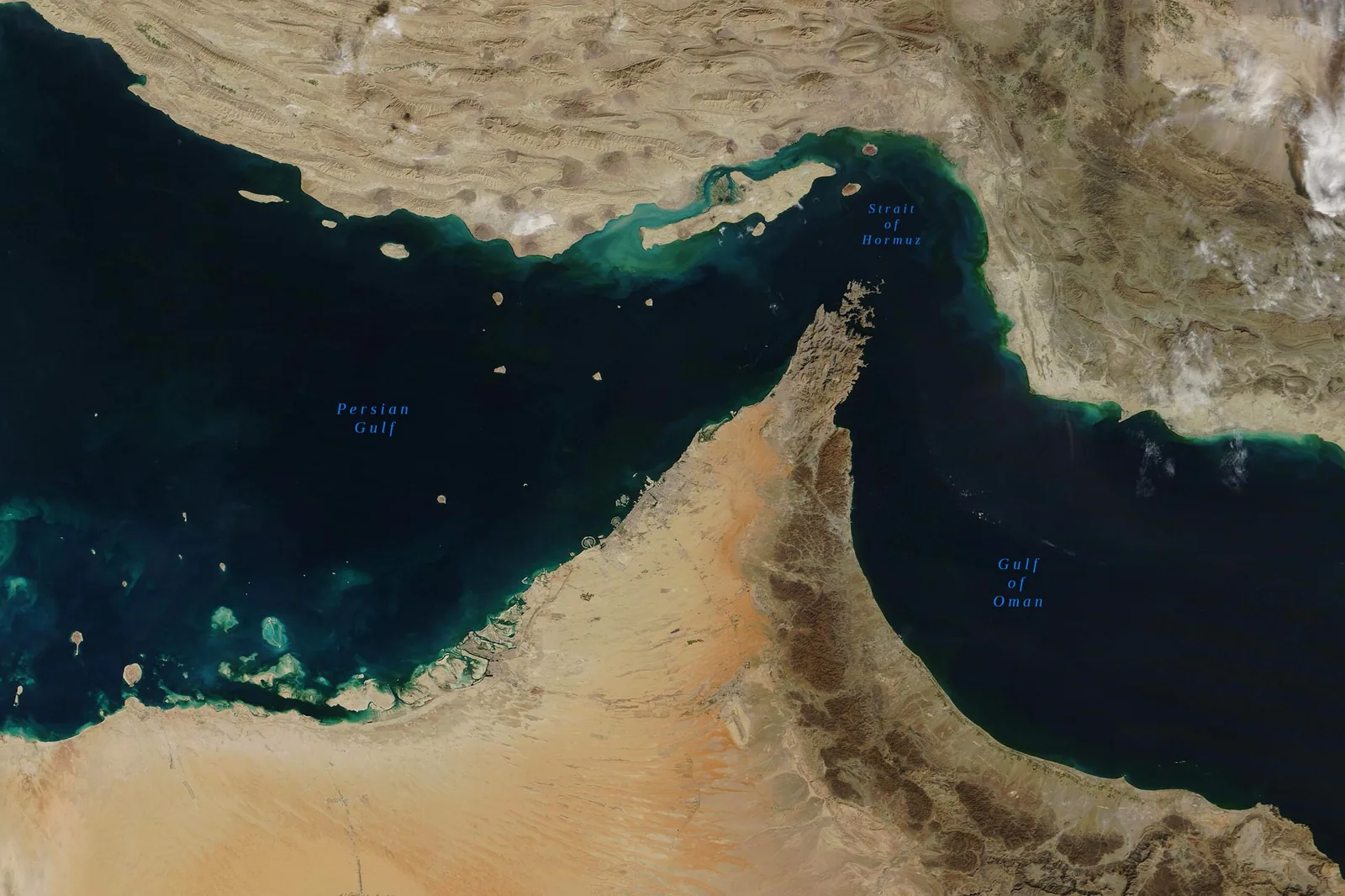
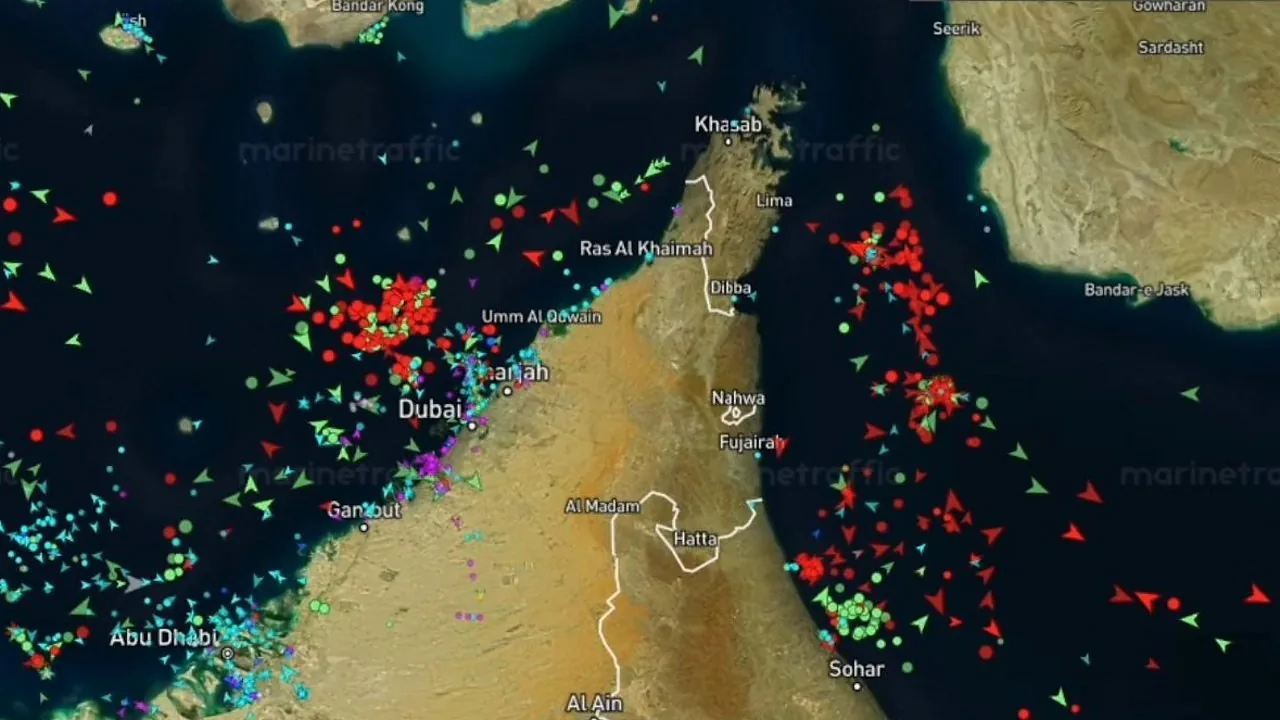
The Strait of Hormuz stands as a critical chokepoint for global energy supplies, with a significant portion of the world’s seaborne oil passing through its narrow waters daily. This strategic waterway, bordered by Iran and Oman, is a perennial flashpoint in Middle Eastern geopolitics. The question of whether transit could cease entirely, even for a single day, reflects deep-seated concerns about regional stability and its potential impact on international trade and energy markets.
Iran has historically threatened to close the Strait in response to perceived threats, particularly economic sanctions or military pressure. Such a move would trigger an immediate and severe global economic crisis, making any scenario leading to zero transit calls a high-stakes event. The resolution criteria for this analysis are clear: IMF PortWatch must report zero daily transit calls for container, dry bulk, roll-on/roll-off, general cargo, and tanker ships for any date between June 26, 2026, and the specified deadline. This strict definition means even a partial disruption would not trigger a “Yes” resolution; a complete halt is required.
Candidate Analysis
Analyzing the prospect of zero ship transits through the Strait of Hormuz by July 31, 2026, requires a close look at recent geopolitical developments. Over the past 7-14 days, several factors suggest a persistent, albeit low, risk of escalation. For instance, reports from late June 2026 indicate a notable increase in naval exercises by Iran’s Islamic Revolutionary Guard Corps (IRGC) in the Persian Gulf, following a series of minor incidents involving commercial vessels in international waters. This heightened activity, while not directly threatening, signals a readiness to assert control over the waterway.
Furthermore, diplomatic efforts to de-escalate tensions between Tehran and Western powers appear to have stalled. Recent statements from the U.S. State Department and Iran’s Foreign Ministry in mid-June 2026 confirm a breakdown in indirect talks concerning nuclear program constraints and sanctions relief, with both sides adopting more rigid stances. This diplomatic impasse removes a key safety valve for managing regional friction. Adding to this, the broader regional security environment remains volatile, with warnings from the Saudi Press Agency in late June 2026 about potential spillover from ongoing Red Sea disruptions into the Persian Gulf, emphasizing the importance of freedom of navigation.
Considering these developments, the candidate “0 ships transit Hormuz on any date by July 31?” appears to be the most plausible, if such an extreme event were to occur. The longer timeframe, extending over five weeks, provides a wider window for a significant escalation to unfold, potentially leading to a complete cessation of transit. In contrast, the shorter deadlines, such as “0 ships transit Hormuz on any date by July 7?” and “0 ships transit Hormuz on any date by July 14?”, face much higher hurdles. A complete halt to shipping within a week or two would necessitate an immediate, unprecedented, and globally destabilizing event, which current intelligence does not suggest is imminent. While the risk is present, the sheer scale of such an action means it would likely be a last resort, requiring a more prolonged build-up of pressure or a direct, severe provocation. What remains uncertain is the specific trigger that could push Iran to such a drastic measure, and whether international actors would respond with sufficient force to prevent or reverse it.
Market Signals
Observed probabilities for these outcomes reflect a collective assessment of the risks. The prospect of zero transits by July 31, 2026, currently stands at approximately 15.15%, representing the highest probability among the listed options. This outcome has also seen substantial engagement, with a significant volume of activity, and its probability has increased by over 11 percentage points in the past week. For the July 14, 2026, deadline, the probability is around 10.0%, also showing an upward trend over the last seven days. The shortest timeframe, July 7, 2026, registers a much lower probability of about 1.05%, indicating a strong belief that an immediate cessation of shipping is highly unlikely. These figures suggest that while a complete closure is considered a low-probability event overall, the perceived risk increases with a longer time horizon.
Our Verdict
A complete cessation of shipping through the Strait of Hormuz, even for a single day, remains an exceptionally low-probability event, often considered a “black swan” scenario due to its catastrophic global implications. However, the current geopolitical climate, marked by increased Iranian naval activity and a breakdown in diplomatic channels, suggests that the risk, while remote, is persistent and perhaps incrementally rising. The longer timeframe offered by the “0 ships transit Hormuz on any date by July 31?” option provides a more realistic window for the kind of extreme escalation that would be necessary to trigger such an event. It allows for the possibility of a series of escalating provocations or a significant regional conflict to unfold, pushing Iran to take such a drastic measure.
Therefore, our assessment leans towards the “0 ships transit Hormuz on any date by July 31?” outcome as the most plausible, *if* this highly disruptive event were to materialize. Our confidence level is medium, acknowledging the extreme nature of the event while recognizing the underlying geopolitical tensions that keep this possibility on the table. A complete halt to transit would require an unprecedented level of regional instability.
Several key triggers could significantly alter this assessment:
1. **Direct Military Confrontation:** A direct naval clash between Iran and a major international power in the Persian Gulf could immediately escalate tensions to a point where a temporary closure becomes a retaliatory measure.
2. **New, Crippling Sanctions:** The imposition of new, comprehensive international sanctions specifically targeting Iran’s oil exports could provoke Tehran to retaliate by disrupting shipping in the Strait.
3. **Wider Regional Conflict:** A significant expansion of existing regional conflicts, particularly if it directly threatens Iran’s security or vital interests, could lead to a defensive or escalatory move involving the Strait.
Sources:
Read more Next round of US-Iran peace talks by…?
Read more Which company has #1 AI model end of July? (Style Control On)
Read more What price will Bitcoin hit July 6-12?