




Background
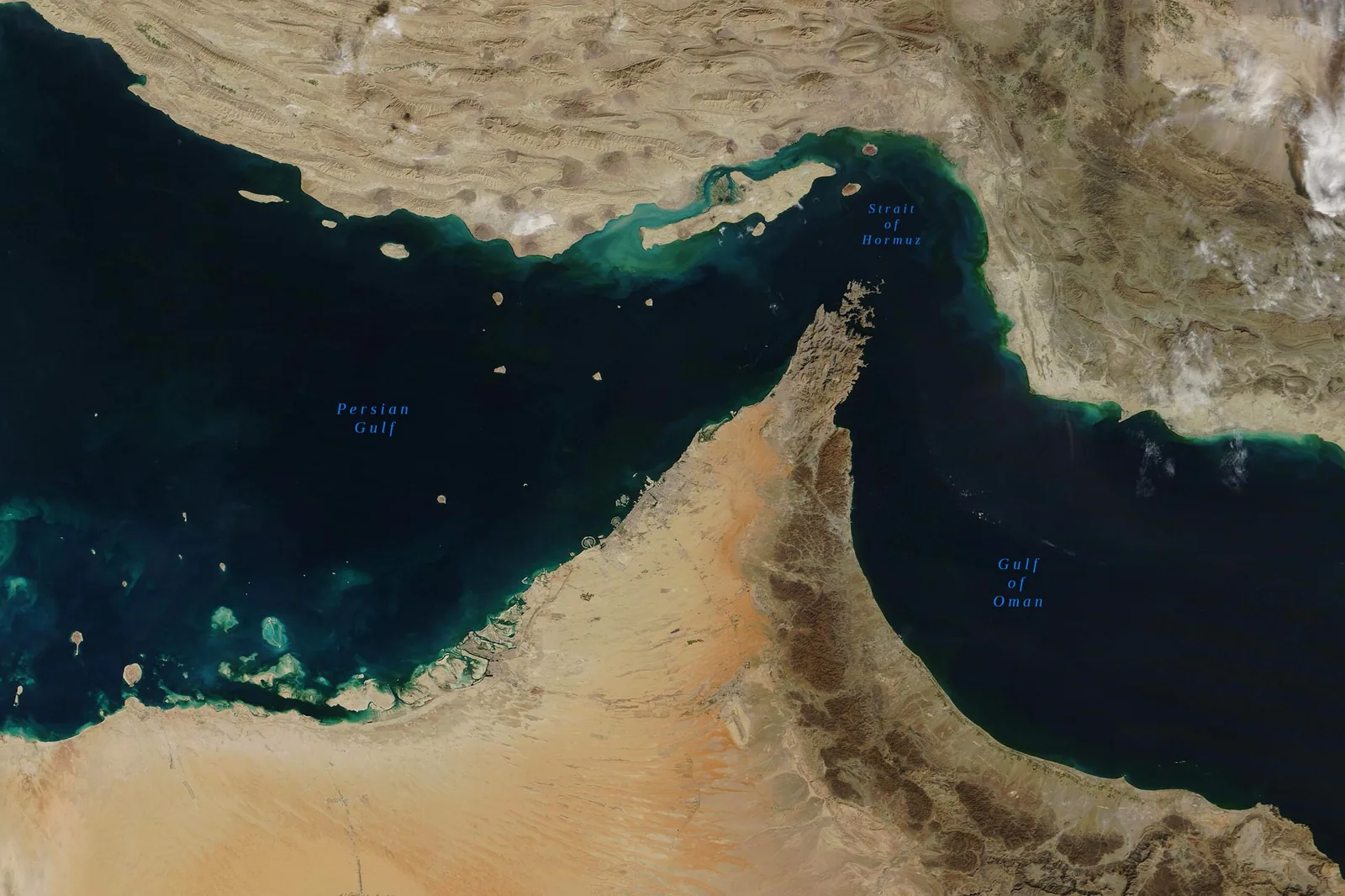
The Strait of Hormuz is a critical maritime chokepoint through which a significant portion of the world’s oil supply passes. Any disruption in traffic here can ripple through global energy markets and geopolitical relations. The question at hand is whether the daily transit calls through the Strait will return to a level considered “normal” — defined as a 7-day moving average of at least 60 ship arrivals — by August 31, 2026.
Read more Will Anthropic extend Claude Fable 5 paid-plan access again by July 12?
This threshold includes container ships, dry bulk carriers, roll-on/roll-off vessels, general cargo ships, and tankers, as tracked by IMF Portwatch. The market resolves “Yes” if this level is reached at any point before the deadline, otherwise “No.” The backdrop involves ongoing tensions in the region, sanctions on Iran, and fluctuating oil demand, all of which influence shipping activity.
Given the strategic importance of the Strait and the complex geopolitical environment, monitoring transit calls offers a tangible measure of maritime activity and regional stability.
Key Factors
Over the past two weeks, official data from IMF Portwatch shows that daily transit calls have remained below the 60-ship threshold, with the 7-day moving average hovering in the mid-50s. This suggests that traffic has not yet returned to pre-crisis levels. The International Maritime Organization (IMO) recently reported increased security measures in the region, including naval patrols by coalition forces, which may be deterring some commercial traffic.
Meanwhile, Iran’s government has maintained a firm stance on its nuclear program and regional policies, with no significant diplomatic breakthroughs reported. Sanctions remain largely in place, limiting Iran’s oil exports and, by extension, the volume of tanker traffic through the Strait. Additionally, global oil demand forecasts have been revised downward slightly due to economic slowdowns in key markets, reducing pressure on shipping lanes.
On the other hand, there have been some positive signs: a recent agreement between Gulf Cooperation Council (GCC) members to enhance maritime security cooperation could improve conditions for shipping. However, the impact of this agreement is still unfolding, and it’s unclear if it will be enough to boost traffic volumes significantly before the August deadline.
Read more Bitcoin above $62,000 on July 13?
Market Signals
Current market indicators assign roughly a 16.5% chance that traffic will return to normal levels by the deadline, with a steady decline in this probability over the past week. Trading volumes remain moderate, and the bid-ask spread is tight, reflecting some consensus but also caution among participants. These signals align with the observed data trends and geopolitical developments but serve only as a secondary reference point.
Our Verdict
Given the sustained below-threshold transit calls, ongoing regional tensions, and the absence of major diplomatic or economic shifts, it appears unlikely that Strait of Hormuz traffic will return to the defined normal level by August 31, 2026. The current security environment and sanctions regime continue to suppress shipping activity, and recent data confirms this trend.
Confidence in this assessment is medium. While the situation could change, the window for a significant rebound is narrowing. Key triggers that could alter this outlook include a breakthrough in Iran nuclear negotiations leading to sanctions relief, a substantial increase in global oil demand reversing recent downward trends, or a marked improvement in regional security conditions following the GCC maritime cooperation efforts.
Absent these developments, the status quo is expected to persist, keeping transit calls below the 60-ship threshold through the summer of 2026.
Read more Will Russia capture Kostyantynivka by…?
Источники: