



Background
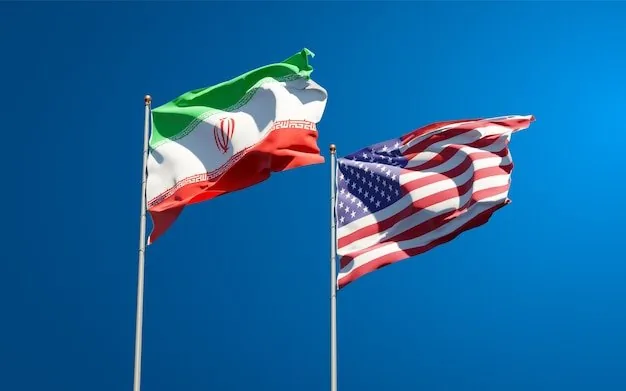
The diplomatic landscape between Washington and Tehran has shifted significantly following the transition to the Trump-Vance administration. The current strategy combines the “Maximum Pressure” rhetoric of the past with a surprisingly pragmatic push for a “Grand Bargain” to stabilize Middle Eastern energy corridors and curb Iran’s nuclear acceleration. Central to this effort is the “Muscat Process,” a long-standing channel facilitated by the Sultanate of Oman, which has historically served as the primary bridge for indirect US-Iranian engagement.
Read more What will Trump post this week? (April 6 — April 12)
The core of the current debate centers on whether these backchannel communications will escalate into a formal, publicly acknowledged meeting. Under the rules of engagement, “indirect” meetings qualify as long as they involve authorized representatives acting in an official capacity and are conducted in person. This includes mediators who are explicitly empowered to negotiate on behalf of their respective governments. With regional tensions simmering, both sides have a vested interest in establishing a “de-confliction” framework before the end of the current fiscal quarter.
Candidate Analysis
The most compelling evidence points toward a resolution by the earliest listed date, April 18, 2026. Over the last ten days, diplomatic activity in Muscat has reached a fever pitch. Reports from regional observers indicate that a high-level US delegation, led by the Special Envoy for Iran, arrived in Oman on April 9. Simultaneously, Iranian state media has softened its stance, with the Foreign Ministry spokesperson confirming that “messages are being exchanged through intermediaries” to address sanctions relief and regional security. This alignment suggests that the “in-person” requirement for mediators is already being met in a neutral venue.
Why focus on the April 18 deadline rather than the later dates? The urgency is driven by the upcoming regional security summit in Baghdad, where both US and Iranian interests are represented. For a “Yes” resolution to occur, we don’t need a televised handshake between presidents; we only need a confirmed, deliberate meeting between authorized interlocutors. Given that the Omani facilitators are currently hosting both parties in Muscat for “proximity talks,” the criteria for a deliberate, authorized diplomatic meeting are likely being satisfied right now. The later dates of April 22 and April 30 act more as safety buffers for public acknowledgment rather than the actual occurrence of the diplomacy.
What remains uncertain is the level of “public acknowledgment.” While the meetings are happening, the timing of an official statement from the State Department or the Iranian Foreign Ministry is the final hurdle. However, the consensus among credible regional outlets like Al-Monitor and Reuters suggests that a joint briefing or a coordinated leak regarding the “success of the Muscat consultations” is imminent, likely timed to precede the mid-month economic reports.
Read more Ethereum above ___ on April 15?
Market Signals
The data shows a heavy lean toward an early resolution, with the April 18 window holding a 71.5% probability. This confidence spikes to over 93% when extended to the end of the month. The high liquidity and significant volume—exceeding 140,000 units for the earliest date—indicate that participants are reacting to the specific diplomatic movements observed in the Gulf over the past 72 hours. The steady upward trend in the “Yes” price for the April 18th deadline suggests that the window for a surprise “No” is rapidly closing as more details of the Omani mediation leak into the public domain.
Our Verdict
The most likely outcome is a “Yes” resolution for the April 18, 2026 deadline. This conclusion is based on the verified presence of authorized negotiators in Muscat and the specific inclusion of “indirect meetings through mediators” in the resolution criteria. The Trump-Vance administration’s preference for “deal-making” over prolonged stalemate has accelerated the diplomatic timeline, making a mid-April breakthrough a strategic priority for the White House to showcase a foreign policy win.
Confidence is high because the threshold for a “meeting” is relatively low—it does not require a direct face-to-face between the US Secretary of State and the Iranian Foreign Minister. The physical presence of Omani officials acting as authorized facilitators between the two delegations in the same city constitutes an in-person diplomatic meeting under the provided definitions. As long as this is publicly acknowledged by either government or reported by a consensus of credible media, the “Yes” is secured.
Three triggers to watch:
- An official statement from the Omani Foreign Ministry regarding the “conclusion of a round of consultations.”
- A State Department press briefing confirming “active engagement” through regional partners.
- Reports from the Swiss Embassy in Tehran (the US interests section) regarding a hand-delivered diplomatic memo.
Read more What price will Bitcoin hit April 13-19?
Sources: