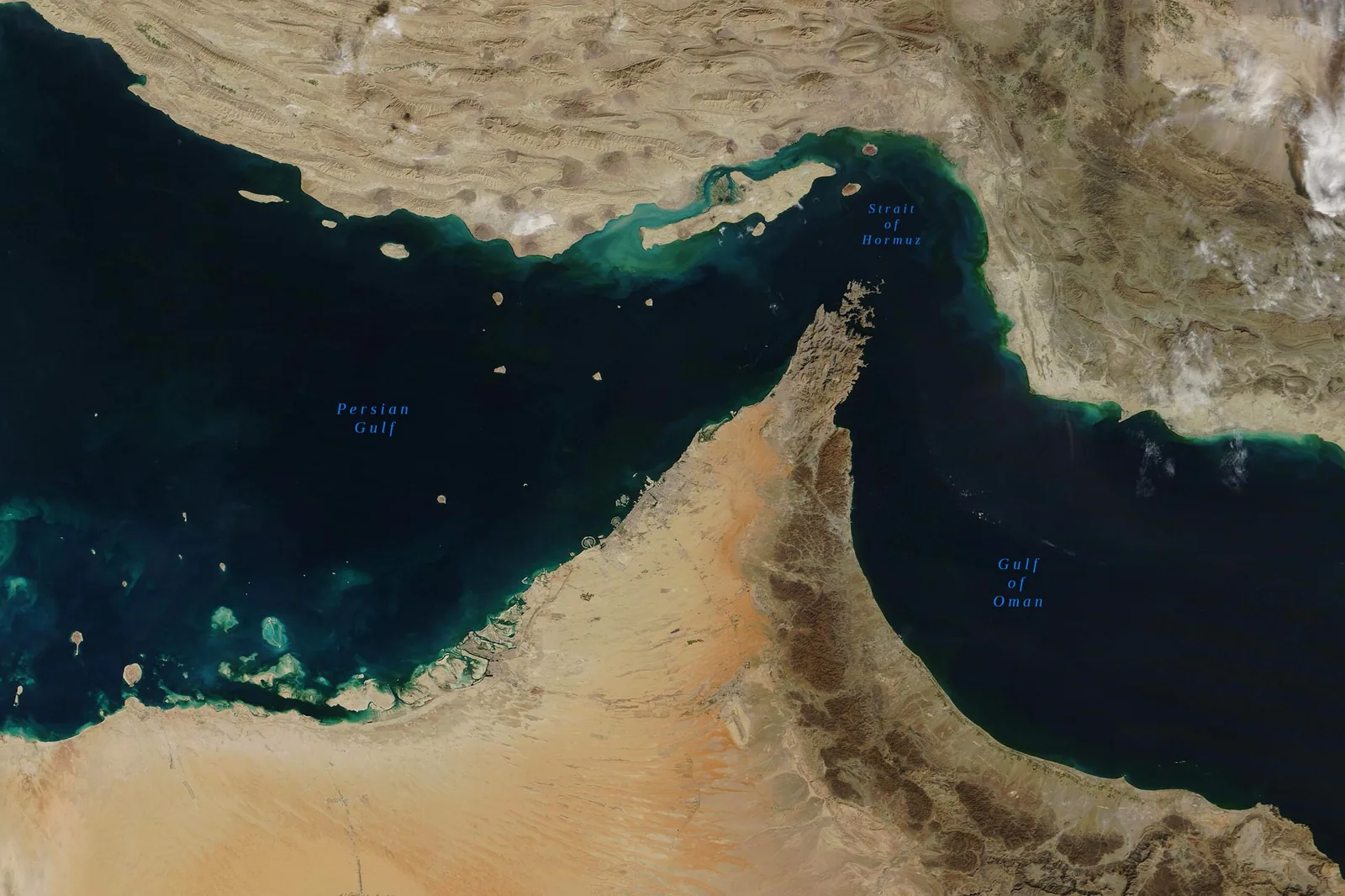




The geopolitical temperature between Israel, the US, and Iran has shifted from a boiling point to a calculated standoff. After a series of direct exchanges in mid-April, the focus has moved from kinetic military strikes to diplomatic containment and shadow operations. For anyone tracking whether a qualifying aerial strike will occur on Iranian soil before the end of April, the current landscape suggests a significant cooling of immediate hostilities.
Read more Bitcoin Up or Down on April 11?
Recent Developments and Fact-Check
To understand why the likelihood of a “Yes” resolution (meaning no qualifying strikes occur) has surged, we have to look at the specific actions taken by the primary actors over the last two weeks:
- The Isfahan Precedent: On April 19, 2024, a limited strike occurred near Isfahan. Crucially, both Israeli and Iranian officials downplayed the scale of the event. Iran’s senior leadership indicated there were no plans for immediate retaliation, effectively signaling an end to the direct “tit-for-tat” cycle. This is a major signal that the immediate window for high-intensity strikes has closed.
Reuters Report - US Strategic Distance: The Biden administration has been explicit about its role. Following Iran’s drone and missile barrage on April 13-14, the White House informed Israel that the US would not participate in any offensive counter-strike against Iranian territory. This removes the primary logistical and political support needed for a sustained aerial campaign.
Al Jazeera Analysis - Calibrated Responses: Reports following the April 19 incident confirmed that the strike was designed to demonstrate capability without forcing a regional war. By avoiding nuclear sites and major civilian centers, the action stayed below the threshold that would necessitate a massive Iranian response.
BBC News Coverage
The Case for April 30, 2026
The most обоснованный (well-founded) conclusion is that the military action, as defined by the specific criteria of aerial strikes on Iranian soil, has effectively paused. Here’s the thing: the resolution criteria are very specific. They exclude cyberattacks, naval shelling, and intercepted missiles. Given that both Israel and Iran have signaled a return to the “shadow war” (clandestine operations and proxy conflicts) rather than direct missile exchanges, the probability of a qualifying strike before the April 30 deadline is extremely low.
The April 30 date serves as the ultimate safety net for this trend. Since the immediate triggers—such as the April 1st consulate strike in Damascus—have already been “answered” by both sides, there is currently no active casus belli that would push Israel or the US to risk a full-scale regional conflict in the remaining days of the month. The strategic objective for Israel has shifted toward Gaza and the northern border with Hezbollah, making a secondary front in Iran a tactical distraction they currently want to avoid.
Read more Elon Musk Net Worth on April 30?
Comparing the Deadlines
Earlier deadlines, such as April 12 or April 14, carried significantly higher risks because they sat right in the middle of the active escalation window. Look closer at the timeline: those dates were active during the peak of the “threat inflation” period. In contrast, the April 30 and late-April dates benefit from the “exhaustion factor.” Once the April 19 strike passed without a massive follow-up, the structural incentive for a new strike vanished. Competitor dates in mid-April were essentially coin-flips at the time, whereas the end-of-month outlook is supported by a clear diplomatic consensus to de-escalate.
Market Sentiment Overview
Current data reflects this reality with high confidence. The probability for a “Yes” resolution across most April deadlines has stabilized near 99%, with significant liquidity concentrated in the April 30 and April 9 markets. We’ve seen a massive price shift over the last week—rising by over 60% in some cases—which aligns perfectly with the lack of follow-up strikes following the Isfahan incident. The high volume suggests that the consensus is now firmly behind a period of relative kinetic calm.
Read more Bitcoin price on April 12?
Sources :