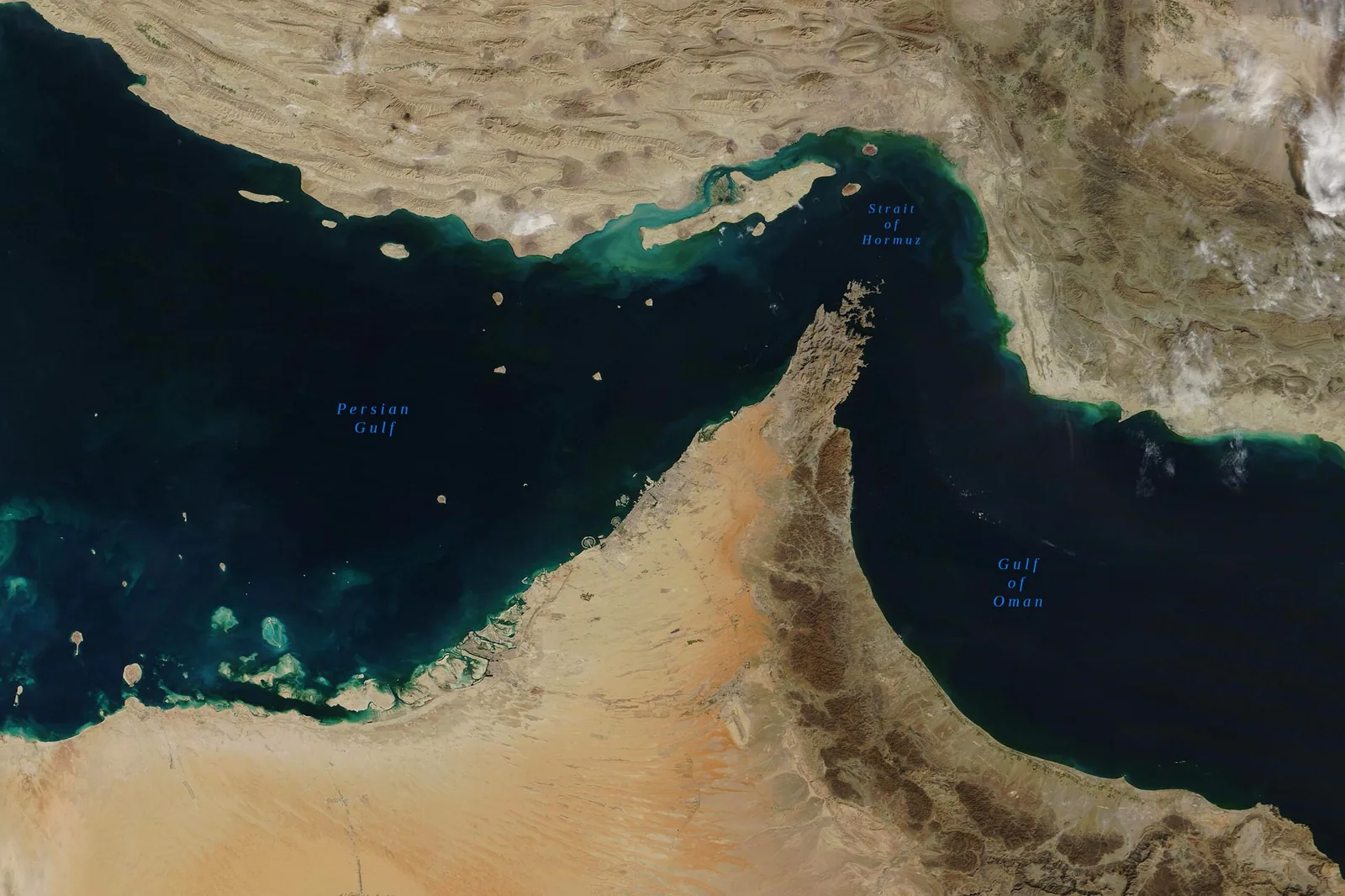




The prospect of a permanent peace deal between the United States and Iran has shifted from a diplomatic fantasy to a central geopolitical question. While the two nations have spent decades in a cycle of “maximum pressure” and proxy conflicts, the current diplomatic landscape suggests a pivot toward a structured resolution. However, the distinction between a temporary cessation of hostilities and a “permanent peace deal” is where the real complexity lies.
Read more Bitcoin Up or Down on April 10?
Fact-Check: The Foundation for a Deal
- Backchannel Diplomacy in Oman: In mid-2024, high-level indirect talks between U.S. and Iranian officials resumed in Oman. These discussions, focused on regional de-escalation and nuclear constraints, established a functional communication channel that persists despite public rhetoric.
Reuters: U.S.-Iran Indirect Talks - The “Art of the Deal” Factor: Donald Trump has consistently maintained that he could reach a definitive agreement with Tehran shortly after taking office. His approach prioritizes a “grand bargain” over the incrementalism of previous administrations, aiming for a legacy-defining treaty rather than a mere memorandum.
Bloomberg: Trump on Iran Negotiations - Iran’s Economic Imperative: Internal economic data shows Iran continues to struggle with high inflation and currency devaluation. The World Bank notes that while oil exports have risen, sustainable growth remains tethered to the removal of systemic sanctions, providing Tehran with a powerful incentive to seek a permanent end to hostilities.
World Bank: Iran Economic Monitor
The Case for May 31, 2026
If we look at the timeline of high-stakes diplomacy, the May 31, 2026, window stands out as the most realistic target for a “permanent” resolution. Here’s the thing: reaching a ceasefire is relatively fast, but codifying a permanent end to military hostilities requires rigorous legal drafting and political maneuvering in both Washington and Tehran. A permanent deal isn’t just a handshake; it’s a document that must survive legislative scrutiny and satisfy hardliners on both sides. Given the hypothetical two-week ceasefire announced in early April 2026, a transition to a permanent status by late May allows the necessary six to eight weeks for technical teams to finalize language that moves beyond a “temporary extension.”
Why April Dates Fall Short
The candidates for April 22 and April 30, 2026, face a significant hurdle: the “permanent” requirement. History shows that initial agreements in the Middle East are almost always “stop-gap” measures. An agreement reached by April 22 would likely be a preliminary framework or a simple extension of a truce. To meet the criteria of a “permanent peace deal” or “equivalent language signaling a lasting end,” negotiators would need more than a few weeks to resolve decades of grievances. April is for the ceasefire; May is for the treaty.
Read more XRP price on April 10?
Triggers to Watch
What changes the picture? Watch for three specific signals:
1. The appointment of a “Special Envoy” with direct ties to the Oval Office.
2. Joint statements from the Swiss Embassy in Tehran (the U.S. interests section) regarding “final status” protocols.
3. Any shift in Iranian state media from “The Great Satan” rhetoric to “National Interest” pragmatism.
Current sentiment shows a cautious outlook for the immediate April deadlines, with probabilities hovering around 11.5% to 18.5%. However, the May 31 window has seen a notable uptick in confidence, currently sitting at 34.0% with significantly higher liquidity, reflecting a belief that while a deal is coming, it will take the full spring cycle to cross the finish line.
Read more Bitcoin Up or Down — April 9, 3PM ET
Sources :