



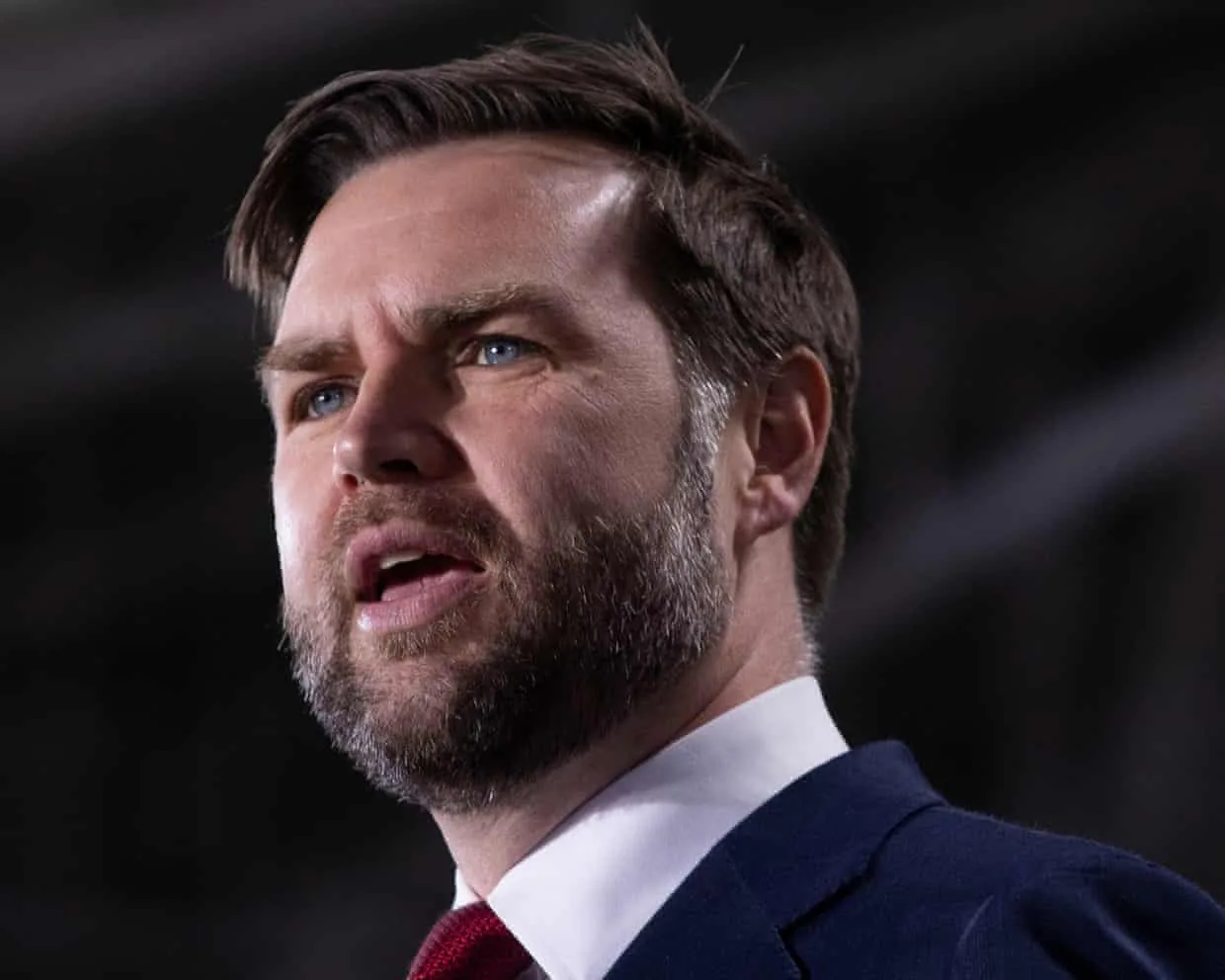
The prospect of a high-level face-to-face encounter between Vice President JD Vance and Iranian officials has moved from the realm of political theory into a concrete diplomatic possibility. As the administration pursues a “Maximum Pressure 2.0” strategy, it is simultaneously signaling a pragmatic openness to a “grand bargain” that could stabilize the Middle East and curb Tehran’s nuclear ambitions. However, the timeline for such a high-stakes meeting remains the critical variable.
Read more Bitcoin above ___ on April 10?
Recent developments suggest that the groundwork for direct engagement is already being laid through unconventional channels. Here is the current state of play:
- Back-channel maturation: Reports of early meetings between figures close to the administration and Iran’s UN Ambassador, Saeid Iravani, indicate that both sides are testing the waters. These preliminary discussions are essential precursors to any formal sit-down involving the Vice President.
- Iranian Diplomatic Pivot: Iranian Foreign Minister Abbas Araghchi has publicly stated that the “door for diplomacy is open,” provided the U.S. returns to a respectful negotiating framework. This shift suggests a willingness to engage with the current executive branch to avoid further economic isolation.
- Vance’s “Realist” Doctrine: JD Vance has consistently advocated for a foreign policy that prioritizes American interests while avoiding “forever wars.” A negotiated settlement with Iran fits this profile, provided it includes verifiable concessions on regional proxy activity and enrichment levels.
The Case for the April 30 Timeline
When looking at the two primary windows, the April 30 date stands out as the most plausible scenario. Why? Because high-level diplomacy is rarely a sprint. Even if the political will exists on both sides, the logistical and security hurdles of arranging a physical meeting between the U.S. Vice President and a representative of the Islamic Republic are immense. A meeting by April 10 would require an almost unprecedented acceleration of protocol, likely bypassing the necessary “de-risking” phase that usually follows back-channel talks.
The April 30 window provides the necessary breathing room for a “surprise” summit or a meeting on the sidelines of an international forum. It allows for the administration to finalize its specific demands and for Tehran to navigate its internal hardline opposition. Look closer at the current trajectory: the administration is currently in the “signaling” phase. Moving from signals to a physical presence in a negotiation room usually takes weeks of quiet coordination, making the later date the more grounded expectation.
Read more What price will Bitcoin hit on April 8?
Comparing the Alternatives
The April 10 deadline is a tall order. It assumes that the “negotiator” role for Vance is already fully defined and that a venue has been secured. Given the complexity of U.S.-Iranian relations, a meeting within the next two weeks would likely be a “chance encounter” or a brief greeting, neither of which would satisfy the strict criteria for a deliberate, authorized diplomatic negotiation. The April 30 timeframe, by contrast, aligns better with the pace of international relations and the administration’s preference for high-impact, well-staged diplomatic “wins.”
Current sentiment reflects this reality. There is a significant lean toward the end-of-month window, with expectations for an April 30 meeting holding steady at approximately 75.5% probability on significant volume. Meanwhile, the earlier April 10 window is viewed with more skepticism, hovering around 23%. This divergence highlights a clear consensus: while the meeting is expected, the diplomatic machinery needs more than a few days to deliver a result of this magnitude.
Read more US x Iran diplomatic meeting by…?
Sources :