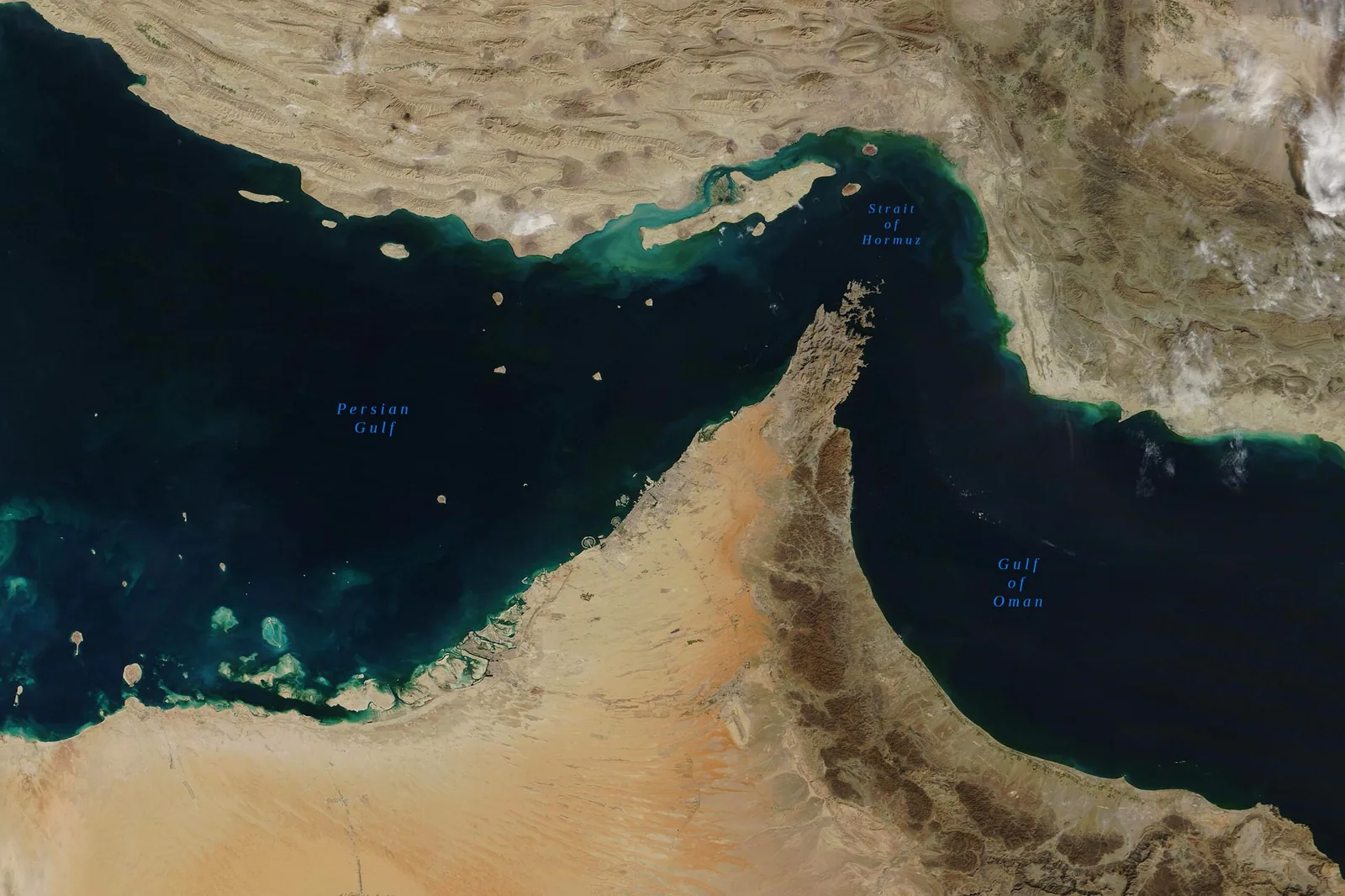




The diplomatic landscape between Washington and Tehran is shifting, and the timeline for a face-to-face encounter is narrowing. While the rhetoric often remains hostile, the underlying mechanics of regional stability and nuclear non-proliferation are forcing both sides toward the table. Here is the breakdown of why a formal meeting by the spring of 2026 has become the focal point of geopolitical expectations.
Read more What price will Solana hit in April?
Recent Developments and Fact-Check
To understand where we are going, we have to look at the signals sent in the last few weeks. First, the “Oman track” has been reactivated. Reports confirmed that senior U.S. officials, including Brett McGurk, engaged in indirect proximity talks with Iranian representatives in Muscat. These sessions weren’t just about de-escalation; they focused on nuclear milestones and regional proxies. You can read the details on the Axios report on Oman talks.
Second, the sudden death of President Ebrahim Raisi in a helicopter crash has introduced a massive variable. Iran is now forced into an early election cycle, which naturally pauses high-level public diplomacy but intensifies the “backchannel” work as the establishment seeks to maintain continuity. The Reuters coverage of Raisi’s death highlights the internal transition now underway in Tehran.
Third, the International Atomic Energy Agency (IAEA) continues to apply pressure. Director General Rafael Grossi’s recent visit to Tehran aimed at “concrete measures” for monitoring, a prerequisite for any broader diplomatic deal. The Al Jazeera report on the IAEA visit suggests that while a breakthrough hasn’t happened yet, the technical framework for a meeting is being laid.
Read more Bitcoin Up or Down on April 8?
The Leading Candidate: April 30, 2026
The April 30, 2026, date stands out as the most justified milestone for a deliberate, in-person meeting. Why? Because it aligns with the “post-transition” window. By early 2026, the new Iranian administration will have found its footing, and the U.S. political cycle will have moved past the immediate volatility of the 2024 elections into a period where substantive foreign policy “wins” are prioritized. The inclusion of figures like Steve Witkoff and Jared Kushner in the broader diplomatic conversation suggests a preference for direct, deal-oriented summits rather than protracted bureaucratic exchanges. This timeframe allows for the “Oman track” to graduate from indirect messages to a formal, publicly acknowledged sit-down.
Comparing the Competitors
Looking at the April 10, 2026, deadline, it feels slightly premature. Diplomatic protocols, especially between two nations without formal ties, require extensive “pre-meeting” meetings. Shaving those extra twenty days off the calendar significantly reduces the window for a breakthrough following the winter diplomatic lull. On the other end, the June 30, 2026, date is viewed as a “safety net.” While highly probable, the momentum generated by the IAEA’s quarterly cycles and the expiration of key UN nuclear restrictions in late 2025 makes an April encounter the more likely “peak” for a diplomatic reveal.
Market Context
Current sentiment reflects a strong lean toward the later spring dates. The April 30 window currently holds a 78.5% probability with significant liquidity, suggesting it is the primary benchmark for observers. Meanwhile, the April 10 date shows more hesitation at 56.05%, and the June 30 horizon is treated as a near-certainty at over 94%. These figures underscore a consensus that while a meeting is coming, the logistical hurdles make the mid-to-late spring of 2026 the critical period to watch.
Read more Military action against Iran ends on…?
Sources :